

Stage 4 Cancer: What to Do First
Stage 4 Cancer: What to Do First After Diagnosis
A new cancer diagnosis can make everything feel urgent. Most people are frightened, overwhelmed, and pushed to make decisions before they even understand all their options.
But the earliest days after diagnosis are not just about moving fast. They are about making sure you do not lose options by moving too fast in the wrong direction.
Just Diagnosed with Advanced Cancer? 5 Things to Do Before Starting Treatment
Here are five of the most important things to do before starting treatment.
1. Slow things down and get the right testing first
Do not rush into treatment, especially chemotherapy, before the right information is back.
In many advanced cancers, biomarker testing can affect first line treatment decisions. NCI explains that biomarker testing looks for genes, proteins, and other substances that may help doctors choose treatment, and it can identify changes that affect how certain cancer treatments work.
Ask whether both tissue testing and, when appropriate, blood-based testing have been ordered. If those results could change your first treatment, they should be reviewed before you commit to a plan.
That means the first question should not be, “How fast can I start chemo?” It should be:
“Has my cancer been fully tested so I know all of my treatment options first?”
2. Do not choose first treatment until all options are discussed
The first treatment often matters the most because it can shape what options remain later.
Clinical trial eligibility commonly depends in part on prior treatment history, along with cancer type, stage, biomarkers, and overall health. In other words, the treatment you start first can affect what you may qualify for next.
Before deciding, ask your doctor to review all appropriate options, including:
- targeted therapy
- immunotherapy
- chemotherapy
- clinical trials
Do not let urgency push you into chemotherapy before you understand whether another option should be considered first.
3. Ask about clinical trials early, not as a last resort
Many patients think clinical trials are only for people who have run out of options. That is not true. Some trials are available for patients who are newly diagnosed or who have not yet started treatment.
Clinical trials matter because some of the newest cancer drugs are available there first.
Many phase 1 cancer trials, especially for patients with advanced cancer, are dose escalation studies in which participants receive the investigational treatment at different dose levels while researchers study safety and dosing. Patients often worry that joining a clinical trial means getting a placebo and no treatment. In cancer trials, that fear is often misunderstood. NCI says placebos are rarely used in cancer clinical trials and that giving a placebo is not ethical when an effective treatment is available.
A better question to ask is:
“Should a clinical trial be considered before I start standard treatment?”
4. Get treated at, or at minimum get a second opinion from, a major cancer center
Do not assume the first local referral is the best or only option.
NCI-Designated Cancer Centers are recognized for scientific leadership in laboratory and clinical research, and these centers often provide disease-specific expertise, broader access to clinical trials, and treatment approaches that smaller institutions may not offer.
This matters because a major cancer center may see treatment opportunities that a smaller local practice does not.
Even if you ultimately receive treatment locally, getting a second opinion from an NCI designated or other major cancer center can be one of the most important steps you take. Many insurance plans do cover major cancer centers, although referral rules, prior authorizations, and network requirements vary by plan and should be checked quickly.
5. Get support early so you can make clearer decisions
A cancer diagnosis affects far more than the body. It affects how you think, how you sleep, how you process information, and how you handle fear.
That is one reason support matters early. Patients often need space to steady themselves emotionally so they can make informed decisions medically.
At Stage4Hope, we understand that the earliest days after diagnosis can feel like the hardest. That is why we offer Strength for the Journey, our therapist-led virtual support designed specifically for people facing advanced cancer, including Still Me, our program for those who are newly diagnosed.
You do not need to have everything figured out immediately. But you do deserve the chance to make decisions from a place of clarity, not panic.
After a Stage 4 diagnosis, everything can feel urgent. But the goal is not simply to start treatment fast.
The goal is to make sure you start the right treatment first.
Need help taking the next step?
Learn how Stage4Hope helps patients access leading cancer centers and second opinions faster.
Explore our therapist-led virtual support programs for people newly diagnosed with advanced cancer.

Loving Well in Cancer: Virtual Retreat May 23, 2026
Strength for the Journey: Loving Well in Cancer: Virtual Retreat May 23, 2026
Loving Well – Even in the Middle of Cancer (Virtual) on May 23, 2026, is part of the monthly Strength for the Journey retreat series. This 90-minute virtual retreat is led by internationally recognized therapist and author Dr. Sharon May, Ph.D., LMFT, and is created specifically for cancer patients and caregivers.
Cancer changes relationships. Roles shift, emotions rise quickly, energy runs low, and the people we love most can suddenly feel harder to connect with. Yet research consistently shows that loving, supportive relationships are among the most powerful sources of resilience and healing for both patients and caregivers.
What It Means to Love Well in This Season
Strength for the Journey: Loving Well is a gentle, therapist-led retreat designed for cancer patients and those who walk alongside them. This experience is not about loving perfectly or giving more than you have. It is about learning to love wisely, compassionately, and honestly—without losing yourself.
Grounded in psychology, attachment research, and faith, this retreat creates space to reflect on how cancer impacts connection, how fear and exhaustion show up in relationships, and how small acts of presence, communication, repair, and healthy boundaries can restore closeness and peace.
During this time, you’ll be invited to slow down, breathe, and explore what loving well looks like in this season—at your own pace, without pressure to be strong or have it all together.
If you are longing for steadier, kinder, and more life-giving relationships in the midst of cancer, we invite you to join us.
Location: Online, Zoom link provided upon registration.
Cost: Free of charge
Limited Spots Available- Reserve Your Spot Today for Loving Well in Cancer
Discover Our World-Class Care Partnerships
Stage 4 Cancer Treatment Partnerships
At Stage4Hope, our mission is to accelerate the path to world-class care for patients with late-diagnosis cancer. We’ve partnered with nationally recognized cancer hospitals like Emory’s Winship Cancer Institute and Memorial Sloan Kettering, leaders in genetic testing and precision oncology, to give you direct, fast-track access to world-class care.
We make sure appointments are available in days—not weeks—so you can explore targeted therapies that may work better and cause fewer side effects than traditional chemo. Discover our partnerships:
Memorial Sloan Kettering Cancer Center
As one of the world’s most respected comprehensive centers devoted exclusively to cancer, Memorial Sloan Kettering Cancer Center (MSK) has been recognized by U.S. News & World Report as one of the top two cancer hospitals in the country for more than 30 years. Informed by basic research done at the Sloan Kettering Institute, scientists across MSK collaborate to conduct innovative translational and clinical research that is driving a revolution in understanding cancer as a disease and improving the ability to prevent, diagnose, and treat it.
Winship Cancer Institute of Emory University
At Winship Cancer Institute of Emory University, Georgia’s only NCI-designated Comprehensive Cancer Center, you’ll find leading oncology experts, personalized treatments, and access to innovative clinical trials. Every aspect of care is designed to ease the burden of cancer. Winship is at the forefront of cancer innovation and discovery. Their research is improving how cancer is prevented, detected, diagnosed, treated, and survived, and providing hope for families affected by cancer.

Becoming Your Best (Virtual) April 18, 2026
Strength for the Journey: Becoming Your Best (Virtual) April 18, 2026
The Becoming Your Best virtual event on April 18, 2026, is part of the monthly Strength for the Journey retreat series. This 90-minute virtual retreat is led by internationally recognized therapist and author Dr. Sharon May, Ph.D., LMFT, and is created specifically for cancer patients and caregivers.
When you’re facing cancer or caring or caring for someone who is- life can feel overwhelming, uncertain, and exhausting. You may wonder how to be your best and live well when so much feels out of your control.
We invite you to a gentle retreat led by an internationally recognized therapist and author, Dr. Sharon May, Ph.D., LMFT created specifically for cancer patients and caregivers. Strength for the Journey: Becoming Your Best is not about fixing yourself, staying positive, or doing more. It’s about finding steadiness, meaning, and direction right in the middle of this season.
When grounded in psychology, resilience research, and faith, this retreat offers space to breathe, reflect, and reconnect with what matters most– your values, your inner life, and who you want to be, even now. You’ll leave feeling more grounded, supported, and less alone.
Come as you are. There is no pressure- only care, understanding, and hope.
Location: Online, Zoom link provided upon registration.
Cost: Free of charge
Limited Spots Available- Reserve Your Spot Today for Becoming Your Best
Stage4Hope Commits $2.5 Million to Memorial Sloan Kettering Cancer Center to Accelerate Breakthrough Cancer Research
Stage4Hope is proud to announce a $2.5 million multi-year research commitment to Memorial Sloan Kettering Cancer Center (MSK), one of the world’s premier cancer research and treatment institutions. This commitment will help accelerate groundbreaking research to expand treatment options and precision therapies, offering new hope to patients with advanced-stage cancers.
The funding will support translational cancer research led by Alexander Drilon, MD, Chief of the Early Drug Development Service at MSK and a leading investigator in precision oncology. Dr. Drilon’s work focuses on translating scientific discoveries into targeted therapies and advancing them through early-phase clinical trials for patients with cancers driven by specific genetic alterations.
“Support for translational research allows us to move discoveries from the laboratory into clinical trials where they can begin helping patients. We are grateful for Stage4Hope’s commitment to advancing this work and expanding the possibilities for people facing cancers driven by targetable genetic alterations,” said Dr. Drilon.
Since the beginning, Stage4Hope has been building partnerships with premier cancer institutions while expanding programs designed to remove barriers to accessing life-saving care. “This commitment reflects the mission at the heart of Stage4Hope,” Stage4Hope Founder Stacy Carter said. “We are working to accelerate access to the most advanced cancer care in the world, support the research that will shape the future of treatment, and walk alongside patients and families as they navigate one of the most difficult journeys of their lives.”
Through partnerships with leading cancer institutions like MSK, Stage4Hope works to accelerate patient access to specialized cancer care and clinical trials, helping individuals connect quickly with expert physicians and advanced treatment programs. We also provide travel assistance grants for patients who must travel to receive specialized care at premier cancer centers.
Access the full media release here >
To learn more about Stage4Hope’s partnership with Memorial Sloan Kettering Cancer Center, and how to support this work, visit: stage4hope.org/accelerating-access-to-life-saving-cancer-care.
Accelerating Access to Life-Saving Cancer Care
Donate to Cancer Patient Travel Assistance
Donate to help cancer patients access top treatment centers faster. Support travel, clinical trials, and life-saving care today.
A $2.5 Million Commitment Is Just the Beginning
Stage4Hope has committed $2.5 million to Memorial Sloan Kettering Cancer Center to advance breakthrough cancer research.
But for patients facing advanced cancer, breakthroughs only matter if they can reach them.
And too many patients never do.
❤️DONATE NOW
───────────────────────────────────────────────────────
The One Thing Patients with Advanced Cancer Want
More time.
More time to live.
More time with the people they love.
More time for treatments to be invented, approved, and then to work.
Because in advanced cancer, time is what creates options.
The best cancer care in the world exists at premiere hospitals like Memorial Sloan Kettering, MD Anderson and City of Hope.
But too many patients never get there in time.
Not because they don’t want to.
Because they can’t afford to travel.
Because access takes too long.
Because the system is hard to navigate when time matters most.
Stage4Hope exists to change that.
- We are building a network of cancer centers committed to faster access.
- We fund travel so patients can reach the care that could change their outcome.
- We invest in research to create new treatment options.
- And we provide professional mental health support to help patients hold on and keep fighting.
───────────────────────────────────────────────────────
Help Us Move Faster
We’ve committed millions to advancing the future of cancer treatment.
Now help us deliver that future to patients today.
Your support directly helps patients reach leading cancer centers sooner, access targeted therapies and clinical trials, and receive the emotional support they need along the way.
It turns waiting into action, and uncertainty into a clear path forward.
Every dollar helps a patient reach the right care when it matters most.
❤️DONATE NOW
───────────────────────────────────────────────────────
What Your Donation Does
Every dollar you give helps patients who cannot afford to wait.
The Real Outcome
Your donation will help a patient:
- Get to a premiere cancer center like Memorial Sloan Kettering, who can potentially save their life
- Connect with one of the best specialists in the country
• Access a clinical trial or the right treatment for their specific cancer
• Do it in days instead of weeks
───────────────────────────────────────────────────────
The Reality We’re Solving
Everyday matters when facing advanced cancer.
Faster access to the right care can mean more options, more time, and more hope for patients and their families.
By getting involved, you are helping ensure that more patients don’t have to navigate this journey alone—or wait longer than they should for the care that could change their outcome.
❤️DONATE NOW
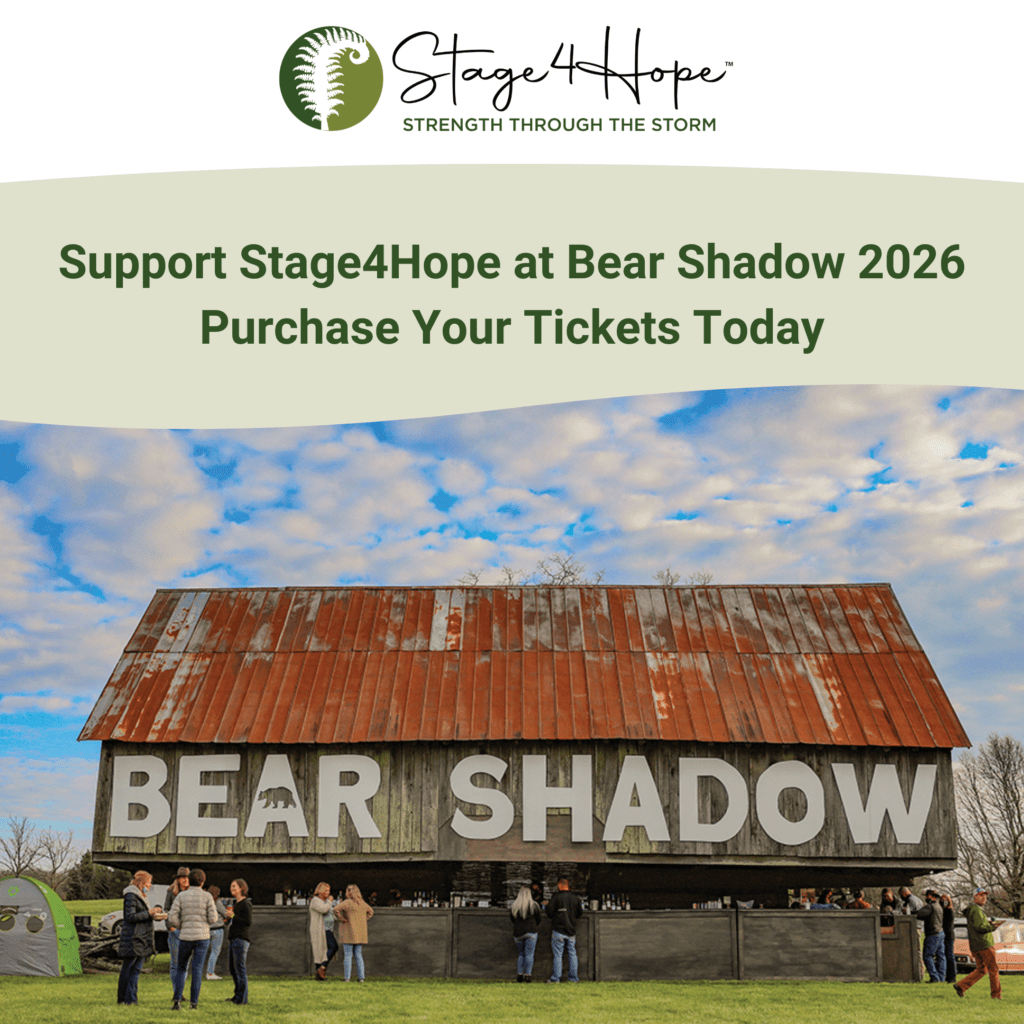
Purchase Your Tickets for Bear Shadow 2026 & Support Stage4Hope
Bear Shadow Music Festival 2026 Tickets | Support Stage4Hope
Mark your calendars for May 29–31, 2026, and join us at Bear Shadow Music Festival for an unforgettable weekend of music, community, and purpose.
As Bear Shadow’s 2026 charity partner, Stage4Hope is honored to be part of this extraordinary event. Proceeds from Friday night’s benefit concert will go directly to Stage4Hope, helping bridge the critical gaps patients and families face after a late-stage cancer diagnosis, providing the support and resources needed most, when time matters most.
When you purchase your tickets to Bear Shadow 2026, you are doing more than attending a music festival. You are helping fund travel to advanced treatments, expand access to clinical trials, and accelerate research that brings hope to families facing advanced-stage cancer.
Be part of something bigger and support Stage4Hope at Bear Shadow. Purchase tickets >
Read the full story about Stage4Hope being featured in The Laurel Magazine and our partnership with the Bear Shadow Music Festival.
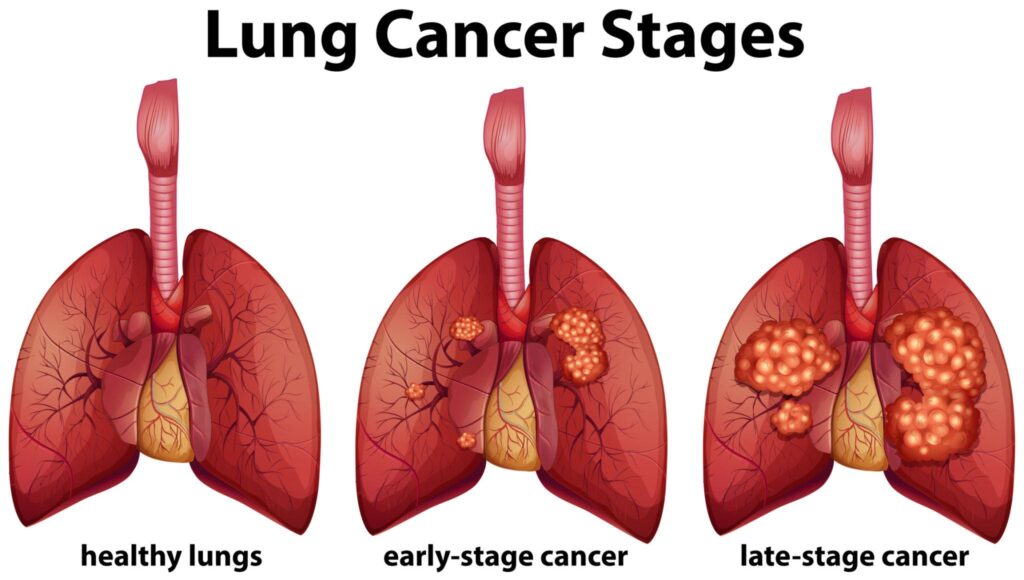
What Is Advanced Stage Lung Cancer?
Understanding Lung Cancer Staging and What It Means
A diagnosis of lung cancer can feel overwhelming—especially when you hear the words advanced stage. But understanding what “advanced stage lung cancer” actually means can help you make informed decisions, ask better questions, and feel more prepared for what lies ahead.
At Stage4Hope, we believe knowledge brings clarity—and clarity brings strength.
What Is Lung Cancer?
Lung cancer begins when abnormal cells grow uncontrollably in the lungs. There are two primary types:
- Non-Small Cell Lung Cancer (NSCLC) – The most common type (about 80–85% of cases)
- Small Cell Lung Cancer (SCLC) – A more aggressive, fast-growing form
Doctors determine how advanced lung cancer is by assigning it a stage. Staging helps guide treatment decisions and gives insight into how far the cancer has spread.
How Lung Cancer Is Staged
Lung cancer is staged using the TNM system, which looks at:
- T (Tumor): Size and location of the main tumor
- N (Nodes): Whether nearby lymph nodes are involved
- M (Metastasis): Whether cancer has spread to distant organs
Stages range from Stage 0 to Stage IV (4).
Lung Cancer Stages Explained
Stage 0 (Carcinoma in Situ)
- Cancer cells are only in the lining of the lung
- No invasion into deeper tissue
- Highly treatable when detected
Stage I
- Cancer is confined to the lung
- No spread to lymph nodes
- Often treated with surgery and possibly chemotherapy
Stage II
- Cancer may have spread to nearby lymph nodes
- Tumor may be larger or invading nearby structures
- Treatment often includes surgery plus chemotherapy
Stage III
- Cancer has spread to lymph nodes in the center of the chest (mediastinum)
- May involve nearby organs or tissues
- Typically treated with a combination of chemotherapy, radiation, targeted therapy, or immunotherapy
Stage III is sometimes referred to as locally advanced lung cancer.
Stage IV (Advanced Stage Lung Cancer)
Stage IV lung cancer is considered advanced stage.
At this stage:
- Cancer has spread (metastasized) beyond the lungs
- Common sites include the brain, bones, liver, or adrenal glands
- It may involve fluid buildup around the lungs (malignant pleural effusion)
Stage IV is further divided into:
- Stage IVA: Cancer has spread within the chest or to one distant organ
- Stage IVB: Cancer has spread to multiple distant organs
While Stage IV is serious, treatment options have advanced significantly in recent years—especially with targeted therapies, immunotherapy, and precision oncology.
What Does “Advanced Stage Lung Cancer” Mean?
“Advanced stage lung cancer” usually refers to:
- Stage III (locally advanced)
- Stage IV (metastatic lung cancer)
It means the cancer has spread beyond its original location and requires comprehensive treatment rather than surgery alone.
However, advanced does not mean untreatable. Many patients live meaningful, extended lives with new treatment breakthroughs, clinical trials, and personalized medicine.
Treatment Options for Advanced Stage Lung Cancer
Treatment depends on cancer type, genetic mutations, overall health, and personal goals. Options may include:
- Targeted therapy (for specific gene mutations like EGFR, ALK, ROS1, RET, KRAS)
- Immunotherapy
- Chemotherapy
- Radiation therapy
- Clinical trials
- Palliative and supportive care
Genetic testing plays a crucial role in advanced lung cancer treatment, helping match patients with therapies designed specifically for their cancer’s biology.
Living With Advanced Lung Cancer
An advanced stage diagnosis affects more than the body—it impacts emotional health, relationships, finances, and daily life.
Patients often face:
- Travel costs for specialized care
- Access barriers to clinical trials
- Emotional strain
- Financial burdens
That’s where support becomes essential.
You Are Not Alone
At Stage4Hope, we exist to improve the lives of advanced-stage cancer patients by:
- Accelerating access to specialized treatments and clinical trials
- Funding cutting-edge precision oncology research
- Providing financial support for treatment-related travel
- Offering free virtual cancer support groups
- Hosting expert-led training and retreats
Whether you’ve just received a diagnosis or have been navigating advanced lung cancer for years, there is strength in community and hope in innovation.
Stay Connected with Stage4Hope
Learn more about advanced-stage lung cancer, treatment breakthroughs, how treatment timing may matter, and living well with Stage 4 cancer. Join our community to receive updates on research, virtual support groups, retreats, and training opportunities designed specifically for those facing late-stage diagnoses.
You don’t have to walk this journey alone.
Learn More About Our Cancer Travel Expense Grants
Cancer Travel Expense Grants for Stage 3 & 4 Patients
Did you know that Stage4Hope provides Cancer Travel Expense Grants to help advanced-stage cancer patients and their caregivers overcome the financial barriers of traveling for treatment? We know that life-saving care is not always available close to home. These grants help cover the costs of reaching top cancer centers so patients can focus on healing, not logistics. Learn if you qualify and how Stage4Hope can help:
Who Can Apply
- U.S. residents with Stage 3 or Stage 4 cancer
- Must be traveling 100+ miles one-way or require an overnight stay for treatment
- In active treatment or scheduled for a second opinion (Stage 3 or 4 only)
- Support is for the patient and one caregiver
- Applications must include verification from the patient’s oncology team
What We Cover
- Airfare or train tickets
- Hotel stays near the treatment center (must first check free/charity lodging such as Hope Lodge)
- Ground transportation (gas, tolls, parking, ride services, or public transit)
- Meals while traveling for treatment
Grant Amounts
- Typical trip: $500 – $1,000
- High-cost cities or multi-day stays: up to $1,500
- Maximum per patient per 12 months: $1,500 (exceptions possible for urgent needs)
More Grant News: Stage4Hope receives a $50,000 grant from the Highlands Cashiers Health Foundation to expand cancer support and treatment for patients in Western North Carolina.

Stage4Hope Featured in The Laurel Magazine Ahead of Bear Shadow Music Festival
Stage4Hope Featured in The Laurel Magazine for Bear Shadow
Stage4Hope is excited to share that we were recently featured in The Laurel Magazine in an article highlighting our partnership with the Bear Shadow Music Festival. The piece showcases our Founder, Stacy Carter’s, journey in developing Stage4Hope, along with her vision for the Ferngrove campus as the future of the Stage4Hope Retreat and Wellness Center and the permanent home of Bear Shadow.
Bear Shadow will take place May 29–31, 2026. Proceeds from Friday night’s benefit concert will go directly to Stage4Hope to fund travel expenses to support cancer patients’ access to advanced treatment.
The article also highlights the exciting future of Ferngrove, creating opportunities for additional events in the years ahead, from smaller performances and donor gatherings to wellness-focused programming that can live alongside the festival weekend. It’s a model designed to support Bear Shadow’s presence and longevity while providing Stage4Hope with a vibrant, community-centered platform to strengthen our mission of providing advanced cancer patients and caregivers the support they need.
Access the full article here >
To learn more about Bear Shadow and purchase tickets, click here >

Does Treatment Timing Matter in Lung Cancer?
Does Immunotherapy Treatment Timing Matter in Lung Cancer?
Could Timing Give Your Cancer Treatment a Boost?
A new clinical trial is sparking real conversation in the lung cancer community by asking a surprisingly simple question: Does the time of day you receive treatment affect how well it works? For people living with advanced non-small cell lung cancer (NSCLC), this research offers a hopeful — and low-cost — idea that could one day improve outcomes without changing the drugs themselves.
Morning vs. Afternoon Immunotherapy for Lung Cancer
In a randomized clinical trial, researchers found that patients who received immunochemotherapy earlier in the day lived longer and had better control of their cancer compared to those treated later in the afternoon. Immunochemotherapy is a combination of immunotherapy (which helps your immune system recognize and attack cancer) and chemotherapy (which directly kills cancer cells). Patients treated earlier had a 60% lower risk of cancer progression and a 48% lower risk of early death.
What the Study Found — In Plain Language
The phase 3 LungTIME-C01 trial followed 210 people with advanced (stage IIIC or stage 4) non-small cell lung cancer who did not have known genetic driver mutations. Everyone received the same drugs — the only difference was when treatment was given:
-
Early group: Treatment before 3:00 PM
-
Late group: Treatment after 3:00 PM
After more than two years of follow-up, the differences were striking:
-
Cancer stayed under control for about 11 months in the early-day group
-
Cancer worsened in about 6 months for those treated later
-
Overall survival was 28 months vs. 16.8 months, favoring earlier treatment
Researchers believe this benefit may be tied to the body’s circadian rhythm — the natural 24-hour cycle that regulates hormones, immune activity, and cell behavior.
Why the Immune System’s “Clock” Matters
Your immune system doesn’t work the same way all day long. Certain immune cells — especially CD8+ T cells, often called “killer” T cells — appear to be more active and effective earlier in the day.
In this study, patients treated in the morning had:
-
More circulating CD8+ T cells
-
A healthier balance of activated (ready to fight cancer) vs. exhausted immune cells
This may explain why immunotherapy worked better earlier in the day — the immune system was simply more prepared to respond.
Should Patients Change Their Treatment Time Now?
Not yet — and that’s important to say clearly.
While many experts find the results exciting, others urge caution. This is the first randomized trial to confirm what earlier observational studies only suggested. Larger studies and reviews of past trials are still needed before treatment timing becomes part of standard care.
That said, this approach is especially intriguing because:
-
It doesn’t add new drugs
-
It doesn’t increase toxicity
-
It could be easier to implement than many medical advances
Some researchers believe timing may matter most during the first cycle of immunotherapy, when the immune system is being “trained” to recognize cancer.
What This Means for Patients Today
If you’re receiving or considering immunochemotherapy:
-
Timing is not part of standard treatment guidelines yet
-
This study is promising, but still early
-
It may be worth asking your oncologist whether infusion timing is flexible — especially at the start of treatment
As always, treatment decisions should be personalized, balancing science, logistics, and what’s realistic for you.
At Stage4Hope, we believe progress often comes from unexpected places — and sometimes, hope comes from asking new questions about familiar treatments. We’ll continue to follow this research closely and share updates as more data becomes available.
Questions to Ask Your Doctor
-
Does treatment timing matter for my specific cancer?
-
Is morning treatment an option for me?
-
How does immunotherapy work with my immune system?
-
What side effects should I watch for?
Stay Connected with Stage 4 Hope
Stage4Hope Receives Grant Award from the Highlands Cashiers Health Foundation
Stage4Hope Receives $50K Grant from Highlands Cashiers Foundation
Stage4Hope is excited to announce that our organization has received a generous $50,000 grant award from the Highlands Cashiers Health Foundation in support of our initiative, Expanding Cancer Access & Support in Western NC: A Highlands-Based Initiative. We are deeply honored by the Foundation’s confidence in our mission and grateful for their partnership in helping cancer patients across Western North Carolina access timely care, hope, and healing.
We are extremely grateful for this opportunity as part of the Foundation’s 2025 Lift Grant. This opportunity will directly advance our work to establish a Highlands-based retreat center offering life-changing assistance to those facing advanced cancer diagnoses. Their investment brings us closer to ensuring that patients in rural communities have the same access to specialized treatment and compassionate support as those in major medical centers.
On behalf of our team, board members, and advisors, we sincerely appreciate the support from the Highlands Cashiers Health Foundation and look forward to continuing our partnership in bringing hope to advanced cancer patients and their families.
More Grant News: Learn more about our Cancer Travel Expense Grants for Stage 3 & 4 Patients.

Meet Dr. Sharon May
Meet Dr. Sharon May: The Trusted Guide Behind Stage4Hope Retreats
When you’re facing a Stage 4 cancer diagnosis, who leads you matters.
Not just their kindness — but their depth, training, experience, and ability to hold space when emotions are raw and life feels uncertain. At Stage4Hope, our retreats are led by Dr. Sharon May, a therapist, educator, and nationally respected voice in emotional healing and relational care.
Dr. May doesn’t simply facilitate conversations. She brings decades of clinical expertise and human wisdom into a space designed for people navigating one of the hardest moments of their lives.
A Foundation of Clinical Excellence
Dr. May holds a Ph.D. in Marriage and Family Therapy and a Master’s degree in Theology from Fuller Graduate School of Theology, grounding her work in both evidence-based psychology and deep understanding of meaning, identity, and emotional resilience.
She is a licensed therapist and a Certified Emotionally Focused Therapy (EFT) Therapist and Supervisor, trained in one of the most research-validated therapeutic models for emotional regulation, attachment, and secure connection. EFT is widely recognized for helping people manage fear, grief, and relational disruption — all central experiences for those facing advanced cancer.
Her academic research and doctoral work focused on attachment theory and emotional bonding, exploring how people find safety, steadiness, and connection during times of crisis. This research-informed foundation shapes every retreat she leads.
Leadership, Teaching, and National Influence
Dr. May is the Founder and President of Safe Haven Relationship Center, where she has spent years developing therapeutic curriculum, training clinicians, and guiding individuals and families through trauma, loss, and major life transitions.
She also serves on the Executive Board of the American Association of Christian Counselors (AACC), reflecting her standing as a trusted leader within the counseling profession.
In addition to her clinical practice, Dr. May is an adjunct professor who has taught counseling and therapy courses, helping shape the next generation of clinicians. She is also a frequent national speaker, presenting workshops and trainings across the U.S. and internationally.
Many people may recognize her from radio and television appearances, including Focus on the Family, Family Talk, Life Today, and her own program Arguing with Dr. Sharon. She is also the author of two books on emotional connection and communication, extending her reach well beyond the therapy room.
Why This Matters for Stage4Hope Retreats
Credentials matter — but how they translate into care matters more.
Dr. May brings all of this experience into Stage4Hope retreats with a grounded, human approach. She creates spaces that feel safe, steady, and deeply respectful. Participants are never pressured to share. Silence is welcome. Listening is participation.
In retreats like Still Me, Dr. May guides participants through:
- Grounding practices that calm racing thoughts and emotional overwhelm
- Reflection and journaling that help process shock and fear
- Gentle guidance on communicating with loved ones and setting boundaries
- Group connection rooted in dignity, confidentiality, and understanding
- Identity-centered reflection that honors the person beyond the diagnosis
This is not surface-level support. It is carefully facilitated emotional care led by someone who understands both the science of healing and the humanity of suffering.
A Guide You Can Trust
People come to Stage4Hope retreats for support — and they stay because they feel seen.
Dr. Sharon May brings credibility, calm, and compassion into every retreat she leads. Her presence reassures participants that they are in capable hands — guided by someone who understands trauma, connection, fear, hope, and the complexity of being human in the face of cancer.
That trust is everything.
If you are seeking a retreat led by a therapist with true depth, experience, and heart, you will find it here.
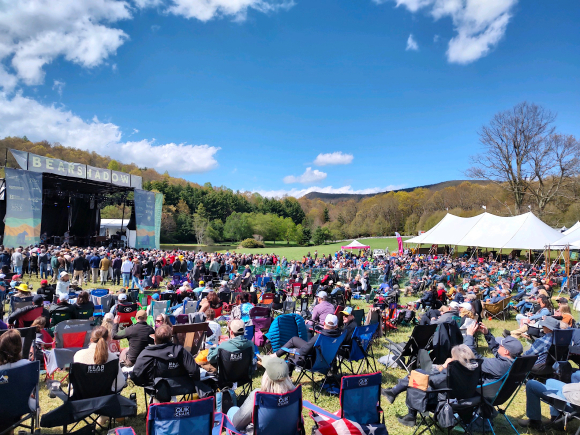
Bear Shadow Music Festival Stage 4 Hope
Bear Shadow Music Festival Partners with Stage 4 Hope to Support Families Facing Late-Stage Cancer
Music has a powerful way of bringing people together—and this spring, that connection will mean real hope for families facing late-stage cancer.
The Bear Shadow Music Festival, held May 29–31, 2026, in the heart of Highlands, has chosen Stage 4 Hope as its official charity partner. As part of this partnership, proceeds from Friday’s pre-festival benefit concert will go directly to Stage 4 Hope to help bridge the gaps patients and families face after a late-stage cancer diagnosis.
A Benefit Concert with Purpose — Friday, May 29, 2026
The festival weekend kicks off with a special Friday night benefit concert on May 29, featuring Grammy-winning headliner The Infamous Stringdusters. Every dollar raised from this concert will directly support Stage 4 Hope’s mission—providing practical resources, emotional support, and community connection to those navigating life after a late-stage cancer diagnosis.
Late-stage cancer often comes with unexpected challenges that go beyond medical treatment—financial strain, emotional isolation, caregiver burnout, and gaps in support once treatment plans are set. Stage 4 Hope exists to meet families in those moments, offering encouragement, education, retreats, and access to resources when they are needed most.
About Bear Shadow Music Festival
Now celebrating its 5th year, Bear Shadow is a three-day music festival set against the stunning backdrop of the Blue Ridge Mountains. Located at Base Camp—just five minutes from downtown Highlands—the festival blends incredible live music with immersive daytime experiences that highlight the connection between music, mind, body, and nature.
With warm spring temperatures, breathtaking mountain scenery, and a thoughtfully curated lineup of Grammy-worthy performers, Bear Shadow has become a must-attend event for music lovers seeking more than just a concert—it’s a full weekend experience designed to inspire and restore.
Why This Partnership Matters
By choosing Stage 4 Hope as its charity partner, Bear Shadow Music Festival is extending its mission beyond music—using the power of community to make a tangible difference in the lives of people facing late-stage cancer. The Friday benefit concert allows festival-goers to enjoy an unforgettable night of music while directly impacting families who need hope, connection, and support.
Learn More & Get Involved
To learn more about the Friday pre-festival benefit concert and how Bear Shadow Music Festival is supporting Stage 4 Hope, visit the official event page here:
👉 https://bearshadownc.com/stage4-hope/
Whether you’re attending for the music, the mountains, or the mission—your presence helps bring hope to families walking one of life’s hardest journeys.
To learn more about events like this, upcoming retreats, trainings, and supportive opportunities, join the Stage 4 Hope community and receive alerts about experiences and resources you may be interested in.

How 2025 Changed Cancer Care
Real Progress for Advanced Cancer Patients
For people living with advanced or hard-to-treat cancer, progress is not just about science — it’s about more time, fewer side effects, and better quality of life. In 2025, doctors and researchers reported major treatment advances that are already changing how cancer is treated today. These developments are especially meaningful for patients with stage 4 cancer who may feel they are running out of options.
Many of these breakthroughs were led or supported by research teams at Memorial Sloan Kettering Cancer Center, and they reflect a growing shift toward personalized, less invasive, and more effective cancer care.
Below is what patients need to know — without the medical jargon.
Immunotherapy Alone Is Treating Some Cancers Successfully
One of the most hopeful advances of 2025 involves cancers with a genetic feature called mismatch repair deficiency (MMRd). This feature makes cancer cells easier for the immune system to recognize and destroy.
In a large clinical trial, nearly 80% of patients with MMRd cancers — including colorectal, stomach, esophageal, bladder, and other cancers — were successfully treated using immunotherapy alone. Many patients did not need surgery, chemotherapy, or radiation.
For patients, this matters deeply. Avoiding major surgery or harsh treatments can preserve organs, reduce long-term side effects, and protect quality of life. For people with advanced cancer, it also shows that less treatment can sometimes be more effective.
New Targeted Therapies Bring Hope for Lung Cancer
For people with non-small cell lung cancer, treatment options can become limited once chemotherapy or immunotherapy stop working. In 2025, researchers reported promising results from a new targeted therapy aimed at a mutation called KRAS-G12D — a mutation that until recently had no effective treatment.
In an early clinical trial, more than 60% of patients saw their tumors shrink, even though many had already tried multiple treatments without success. This is especially important for patients searching for new targeted therapy for lung cancer after being told there are no remaining options.
This breakthrough reinforces the importance of genetic testing, even later in the disease, because new drugs continue to emerge for specific cancer mutations.
Breast Cancer Patients Are Living Longer With New Combinations
Patients with advanced breast cancer also saw meaningful progress in 2025. A large clinical trial found that combining a new targeted therapy with standard hormone treatments helped patients live about 26% longer than with standard treatment alone.
This matters because many people with metastatic breast cancer stay on treatment for years. Extending survival while maintaining daily function and independence is a major win — and another reminder that treatment plans can evolve over time.
Blood Tests Help Prevent Cancer From Returning
Another important advance involves simple blood tests, often called liquid biopsies, that can detect tiny traces of cancer left behind after surgery.
In a small study, doctors used these blood tests to identify patients who were most likely to benefit from immunotherapy after surgery. Patients who received immunotherapy based on their blood test results had strong survival rates and lower chances of recurrence.
For patients living with the fear of cancer coming back, this approach represents a more personalized and proactive strategy — treating only when needed, and earlier than before.
Progress for Rare and Overlooked Cancers
Not all breakthroughs focus on common cancers. In 2025, several advances targeted rare and aggressive diseases that historically have had few options:
-
CAR T-cell therapy showed dramatic results for patients with AL amyloidosis who had stopped responding to standard treatments
-
A new targeted drug helped shrink tumors in patients with histiocytosis, a rare blood cancer affecting both adults and children
-
Children with an aggressive brain cancer lived far longer than expected using a new drug delivery method
For families facing rare diagnoses, these advances send a powerful message: research is not standing still.
Why This Matters for Stage 4 Patients
If you are living with stage 4 cancer, the message from 2025 is clear:
New options continue to emerge — even after standard treatments fail.
Across many cancer types, these advances mean:
-
More targeted therapies with fewer side effects
-
Immunotherapy replacing or delaying invasive treatments
-
Blood tests guiding smarter decisions
-
Clinical trials offering real benefit, not just future promise
At Stage4Hope, we encourage patients and caregivers to ask about genetic testing, clinical trials, and new treatment strategies, especially when options feel limited. Knowledge can open doors — and hope often begins with asking one more question. (Source: Memorial Sloan Kettering)
Read the complete article here >
You’re Not Alone—Connect with the Stage 4 Hope Community
Whether you’re exploring the latest cancer treatment advances like immunotherapy or targeted therapy, seeking emotional support, or trying to make sense of a new diagnosis, Stage 4 Hope is here for you. Join our community to access trusted resources, education, and encouragement from others who understand the stage 4 journey.

BLOCK-ID cancer research
BLOCK-ID: New Technique Finds Treatment Targets in Hard-to-Treat Cancers
When cancer is difficult to control, it’s often because the cancer cells have learned how to survive under intense stress. Even when their DNA is damaged or unstable — a situation that would normally cause a healthy cell to stop dividing or die — these cancer cells find ways to keep going.
This ability to survive under pressure is one reason some cancers become aggressive, resistant to treatment, or quick to return after therapy. Understanding how cancer cells manage this stress is a major focus of modern cancer research.
Researchers at Winship Cancer Institute of Emory University have now developed a powerful new research tool that helps explain how certain cancers adapt and survive under these extreme conditions. While this discovery is not a treatment yet, it offers important clues that may eventually lead to new targeted therapies for cancers that currently have limited options.
Why DNA copying matters in cancer
Every time a cell divides, it must make an exact copy of its DNA. In healthy cells, this process is carefully regulated to prevent mistakes. But in cancer cells, DNA copying often becomes chaotic.
DNA is copied at structures called replication forks, which are Y-shaped points where the DNA strands separate so new copies can be made. In many cancers, these replication forks frequently slow down, stall, or collapse. When this happens repeatedly, it creates DNA replication stress.
Replication stress is a double-edged sword. On one hand, it causes DNA damage and genetic instability — changes that can drive cancer growth and spread. On the other hand, cancer cells that learn how to survive replication stress gain a powerful advantage, allowing them to adapt, resist treatments, and continue dividing despite severe internal damage.
Many aggressive cancers exist in a constant state of replication stress. Understanding how they tolerate this stress — and which proteins help them survive it — is critical for finding new ways to disrupt cancer growth.
What is BLOCK-ID?
To better understand what happens when DNA is under stress or damage, researchers developed a new laboratory technique called BLOCK-ID, an Emory technique (short for biotinylation of lac operator array replication stress protein network identification).
In simpler terms, BLOCK-ID allows scientists to:
- Create stress in a cancer cell’s DNA on purpose.
- They then watch how cancer cells respond to that stress.
- This helps researchers see which proteins cancer cells use to survive.
This Emory technique solves a long-standing challenge in cancer research. Until now, it has been extremely difficult to identify which proteins are involved at replication forks during stress. BLOCK-ID provides a detailed and precise way to map the protein networks cancer cells rely on to survive.
A key discovery: TRIM24 and other proteins
Using BLOCK-ID, researchers identified multiple proteins that appear at stressed replication forks. One protein, called TRIM24, stood out as particularly important.
The team then applied this discovery to a specific cancer survival mechanism known as Alternative Lengthening of Telomeres (ALT).
Telomeres are protective caps at the ends of chromosomes. In normal cells, telomeres shorten each time a cell divides, which eventually limits how long a cell can continue reproducing. Cancer cells must overcome this limit to survive.
Some cancers — estimated at 10–15% — use the ALT pathway to maintain their telomeres without relying on the more common enzyme-based method. ALT is often seen in aggressive or difficult-to-treat cancers, including:
- Osteosarcoma
- Glioblastoma
- Pancreatic neuroendocrine tumors
The research showed that TRIM24 helps cancer cells protect their chromosome ends so they can keep dividing.
Why this is hopeful: four potential treatment targets
In addition to TRIM24, the researchers identified three other proteins involved in the ALT pathway. Together, these findings highlight four potential treatment targets in ALT-driven cancers.
Identifying targets is one of the most important early steps in cancer drug development. While it can take time to move from discovery to therapy, knowing which proteins are essential to cancer survival gives researchers a clearer path forward.
The next phase of research will focus on determining whether these targets can be safely disrupted — and whether doing so can slow or stop cancer growth.
What this could mean for patients
BLOCK-ID is not a new treatment, but it represents meaningful progress in understanding cancer biology. Research like this helps explain why some cancers behave aggressively and why they may stop responding to standard treatments.
For patients living with advanced or hard-to-treat cancers, this work supports a growing shift toward precision oncology — matching treatment strategies to the specific biological features of a tumor. Discoveries like this strengthen the importance of:
- Testing the cancer to learn what makes it grow
- Understanding how the cancer survives
- Looking into clinical trials when needed
As researchers uncover new weaknesses in cancer cells, new treatment options may become possible, even for patients who have been told there are few options left.
You’re Not Alone—Connect with the Stage 4 Hope Community
Whether you’re navigating treatment options, looking for emotional support, or trying to keep up with promising research, Stage 4 Hope is here for you. Join our community to stay connected to trusted resources, new updates, online training, and encouragement from others who understand this journey.
References:
https://winshipcancer.emory.edu/newsroom/articles/2025/new-technique-identifies-potential-new-treatment-targets.php?
https://pubmed.ncbi.nlm.nih.gov/40614724/
