

Clinical Trial Hope for ROS1 Lung Cancer
Why ROS1 Patients Should Be Watching Zidesamtinib
For people living with ROS1-positive non-small cell lung cancer, Zidesamtinib is one of the most important new developments to watch. It is being studied in the ARROS-1 clinical trial, and public trial listings show Memorial Sloan Kettering Cancer Center and Emory Winship Cancer Institute as active sites.
This matters because clinical trials should not be treated as a last resort for ROS1 patients. In some cases, a trial may be worth discussing earlier, especially when side effects, quality of life, or long term planning are already becoming part of the treatment decision. ARROS-1 includes multiple patient groups, including some who are TKI-naïve (not previously treated with a ROS1 targeted drug), which reinforces that this is not only a trial for people who have run out of standard options.
Zidesamtinib for ROS1 Lung Cancer: New Trial Hope
What Is Zidesamtinib?
Zidesamtinib is a targeted medicine being studied for cancers driven by a ROS1 fusion, a specific gene change that can fuel cancer growth. It was designed to help address some of the hardest problems ROS1 patients face, including when earlier targeted drugs stop working and when cancer spreads to the brain. Public company materials also describe activity against certain ROS1 resistance mutations, including G2032R.
Zidesamtinib is not yet FDA approved, but it is moving through FDA review after encouraging trial results. Nuvalent has announced that the FDA accepted its New Drug Application for priority review, with a target action date of September 18, 2026.
Why Is It Getting So Much Attention?
Zidesamtinib has received FDA Breakthrough Therapy Designation for patients with ROS1-positive metastatic non-small cell lung cancer who have already been treated with 2 or more ROS1 targeted drugs. That does not mean the drug is already approved, but it does reflect the significance of the early data and can help speed development and review.
Early public results from ARROS-1 have also been encouraging in previously treated ROS1-positive lung cancer, including reported responses, durable benefit in many responders, and activity in patients with brain metastases and certain resistance mutations. These are still results from an ongoing study, but they are one reason many ROS1 patients and doctors are watching zidesamtinib closely.
Who Should Ask About This Trial?
ARROS-1 is not limited to one narrow patient group. According to the public trial listing, the Phase 2 portion includes patients who are TKI-naive, patients who have had 1 prior ROS1 inhibitor, patients who have had 1 prior ROS1 inhibitor plus platinum chemotherapy, patients who have had 2 or more prior ROS1 inhibitors, and a separate cohort for other advanced solid tumors with a ROS1 rearrangement.
That means this trial may be worth asking about in more than one situation. If you are newly diagnosed and TKI-naive, it may be worth discussing. If your current ROS1 treatment is still controlling your cancer but the side effects are significantly hurting your quality of life, it may also be worth discussing. For ROS1 patients, the right time to talk about a trial is not always after progression. Sometimes it is earlier, while there is still time to make a thoughtful decision.
Where Is It Available?
The main study is ARROS-1, an active Phase 1/2 trial listed by the National Cancer Institute. Public listings show both MSK and Winship as active locations.
MSK also lists a separate expanded access pathway for zidesamtinib for certain adults with advanced ROS1-positive cancers whose disease is still growing after treatment. That means some patients may have more than one path to ask about, depending on their situation and eligibility.
Why This Matters for ROS1 Patients
For ROS1-positive lung cancer, this is a real step forward.
The treatment landscape is still moving. New options are still being developed. Clinical trials may offer access to promising therapies earlier than many patients realize. That is why trial review should be part of the conversation for ROS1 patients, especially at leading cancer centers that see these cases often and understand the evolving science.
Too often, patients hear about trials only when they are running out of options. That is too late for some people. For ROS1 patients, the better question is not only, “What do I do after this stops working?” It is also, “Should I already be exploring what comes next?”
What To Do Next
If you or someone you love has ROS1-positive lung cancer, now is a good time to ask:
- Has full molecular testing been done and reviewed recently?
- Is my current treatment still the best fit for both cancer control and quality of life?
- Should a leading cancer center review my case now?
- Should a ROS1 clinical trial be part of my plan now, not later?
- Is ARROS-1 or another trial worth discussing?
At Stage4Hope, we help patients move faster toward leading cancer centers, clinical trial opportunities, and practical support. If distance is part of the challenge, our Travel Expense Grants may also help.
Have ROS1-positive lung cancer? Ask us about expert care, clinical trial options, and travel support.

Learn More About Our Cancer Travel Expense Grants
Cancer Travel Expense Grants for Stage 3 & 4 Patients
Did you know that Stage4Hope provides Cancer Travel Expense Grants to help advanced-stage cancer patients and their caregivers overcome the financial barriers of traveling for treatment? We know that life-saving care is not always available close to home. These grants help cover the costs of reaching top cancer centers so patients can focus on healing, not logistics. Learn if you qualify and how Stage4Hope can help:
Who Can Apply
- U.S. residents with Stage 3 or Stage 4 cancer
- Must be traveling 100+ miles one-way or require an overnight stay for treatment
- In active treatment or scheduled for a second opinion (Stage 3 or 4 only)
- Support is for the patient and one caregiver
- Applications must include verification from the patient’s oncology team
What We Cover
- Airfare or train tickets
- Hotel stays near the treatment center (must first check free/charity lodging such as Hope Lodge)
- Ground transportation (gas, tolls, parking, ride services, or public transit)
- Meals while traveling for treatment
Grant Amounts
- Typical trip: $500 – $1,000
- High-cost cities or multi-day stays: up to $1,500
- Maximum per patient per 12 months: $1,500 (exceptions possible for urgent needs)
More Grant News: Stage4Hope receives a $50,000 grant from the Highlands Cashiers Health Foundation to expand cancer support and treatment for patients in Western North Carolina.

Does Treatment Timing Matter in Lung Cancer?
Does Immunotherapy Treatment Timing Matter in Lung Cancer?
Could Timing Give Your Cancer Treatment a Boost?
A new clinical trial is sparking real conversation in the lung cancer community by asking a surprisingly simple question: Does the time of day you receive treatment affect how well it works? For people living with advanced non-small cell lung cancer (NSCLC), this research offers a hopeful — and low-cost — idea that could one day improve outcomes without changing the drugs themselves.
Morning vs. Afternoon Immunotherapy for Lung Cancer
In a randomized clinical trial, researchers found that patients who received immunochemotherapy earlier in the day lived longer and had better control of their cancer compared to those treated later in the afternoon. Immunochemotherapy is a combination of immunotherapy (which helps your immune system recognize and attack cancer) and chemotherapy (which directly kills cancer cells). Patients treated earlier had a 60% lower risk of cancer progression and a 48% lower risk of early death.
What the Study Found — In Plain Language
The phase 3 LungTIME-C01 trial followed 210 people with advanced (stage IIIC or stage 4) non-small cell lung cancer who did not have known genetic driver mutations. Everyone received the same drugs — the only difference was when treatment was given:
-
Early group: Treatment before 3:00 PM
-
Late group: Treatment after 3:00 PM
After more than two years of follow-up, the differences were striking:
-
Cancer stayed under control for about 11 months in the early-day group
-
Cancer worsened in about 6 months for those treated later
-
Overall survival was 28 months vs. 16.8 months, favoring earlier treatment
Researchers believe this benefit may be tied to the body’s circadian rhythm — the natural 24-hour cycle that regulates hormones, immune activity, and cell behavior.
Why the Immune System’s “Clock” Matters
Your immune system doesn’t work the same way all day long. Certain immune cells — especially CD8+ T cells, often called “killer” T cells — appear to be more active and effective earlier in the day.
In this study, patients treated in the morning had:
-
More circulating CD8+ T cells
-
A healthier balance of activated (ready to fight cancer) vs. exhausted immune cells
This may explain why immunotherapy worked better earlier in the day — the immune system was simply more prepared to respond.
Should Patients Change Their Treatment Time Now?
Not yet — and that’s important to say clearly.
While many experts find the results exciting, others urge caution. This is the first randomized trial to confirm what earlier observational studies only suggested. Larger studies and reviews of past trials are still needed before treatment timing becomes part of standard care.
That said, this approach is especially intriguing because:
-
It doesn’t add new drugs
-
It doesn’t increase toxicity
-
It could be easier to implement than many medical advances
Some researchers believe timing may matter most during the first cycle of immunotherapy, when the immune system is being “trained” to recognize cancer.
What This Means for Patients Today
If you’re receiving or considering immunochemotherapy:
-
Timing is not part of standard treatment guidelines yet
-
This study is promising, but still early
-
It may be worth asking your oncologist whether infusion timing is flexible — especially at the start of treatment
As always, treatment decisions should be personalized, balancing science, logistics, and what’s realistic for you.
At Stage4Hope, we believe progress often comes from unexpected places — and sometimes, hope comes from asking new questions about familiar treatments. We’ll continue to follow this research closely and share updates as more data becomes available.
Questions to Ask Your Doctor
-
Does treatment timing matter for my specific cancer?
-
Is morning treatment an option for me?
-
How does immunotherapy work with my immune system?
-
What side effects should I watch for?
Stay Connected with Stage 4 Hope

How 2025 Changed Cancer Care
Real Progress for Advanced Cancer Patients
For people living with advanced or hard-to-treat cancer, progress is not just about science — it’s about more time, fewer side effects, and better quality of life. In 2025, doctors and researchers reported major treatment advances that are already changing how cancer is treated today. These developments are especially meaningful for patients with stage 4 cancer who may feel they are running out of options.
Many of these breakthroughs were led or supported by research teams at Memorial Sloan Kettering Cancer Center, and they reflect a growing shift toward personalized, less invasive, and more effective cancer care.
Below is what patients need to know — without the medical jargon.
Immunotherapy Alone Is Treating Some Cancers Successfully
One of the most hopeful advances of 2025 involves cancers with a genetic feature called mismatch repair deficiency (MMRd). This feature makes cancer cells easier for the immune system to recognize and destroy.
In a large clinical trial, nearly 80% of patients with MMRd cancers — including colorectal, stomach, esophageal, bladder, and other cancers — were successfully treated using immunotherapy alone. Many patients did not need surgery, chemotherapy, or radiation.
For patients, this matters deeply. Avoiding major surgery or harsh treatments can preserve organs, reduce long-term side effects, and protect quality of life. For people with advanced cancer, it also shows that less treatment can sometimes be more effective.
New Targeted Therapies Bring Hope for Lung Cancer
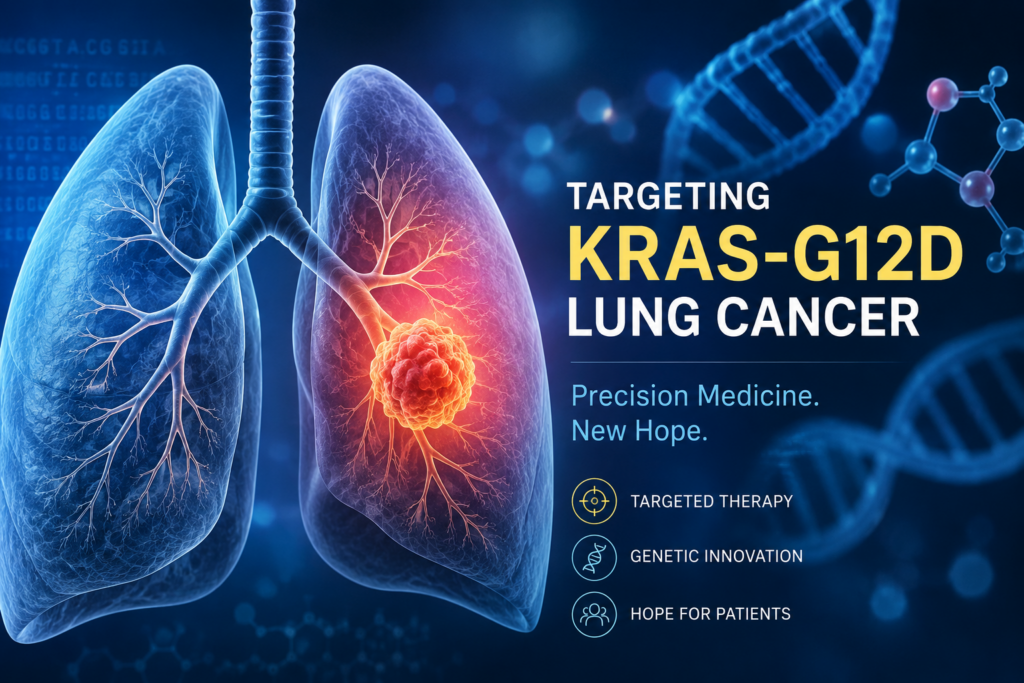
For people with non-small cell lung cancer, treatment options can become limited once chemotherapy or immunotherapy stop working. In 2025, researchers reported promising results from a new targeted therapy aimed at a mutation called KRAS-G12D — a mutation that until recently had no effective treatment.
In an early clinical trial, more than 60% of patients saw their tumors shrink, even though many had already tried multiple treatments without success. This is especially important for patients searching for new targeted therapy for lung cancer after being told there are no remaining options.
This breakthrough reinforces the importance of genetic testing, even later in the disease, because new drugs continue to emerge for specific cancer mutations.
Breast Cancer Patients Are Living Longer With New Combinations
Patients with advanced breast cancer also saw meaningful progress in 2025. A large clinical trial found that combining a new targeted therapy with standard hormone treatments helped patients live about 26% longer than with standard treatment alone.
This matters because many people with metastatic breast cancer stay on treatment for years. Extending survival while maintaining daily function and independence is a major win — and another reminder that treatment plans can evolve over time.
Blood Tests Help Prevent Cancer From Returning
Another important advance involves simple blood tests, often called liquid biopsies, that can detect tiny traces of cancer left behind after surgery.
In a small study, doctors used these blood tests to identify patients who were most likely to benefit from immunotherapy after surgery. Patients who received immunotherapy based on their blood test results had strong survival rates and lower chances of recurrence.
For patients living with the fear of cancer coming back, this approach represents a more personalized and proactive strategy — treating only when needed, and earlier than before.
Progress for Rare and Overlooked Cancers
Not all breakthroughs focus on common cancers. In 2025, several advances targeted rare and aggressive diseases that historically have had few options:
-
CAR T-cell therapy showed dramatic results for patients with AL amyloidosis who had stopped responding to standard treatments
-
A new targeted drug helped shrink tumors in patients with histiocytosis, a rare blood cancer affecting both adults and children
-
Children with an aggressive brain cancer lived far longer than expected using a new drug delivery method
For families facing rare diagnoses, these advances send a powerful message: research is not standing still.
Why This Matters for Stage 4 Patients
If you are living with stage 4 cancer, the message from 2025 is clear:
New options continue to emerge — even after standard treatments fail.
Across many cancer types, these advances mean:
-
More targeted therapies with fewer side effects
-
Immunotherapy replacing or delaying invasive treatments
-
Blood tests guiding smarter decisions
-
Clinical trials offering real benefit, not just future promise
At Stage4Hope, we encourage patients and caregivers to ask about genetic testing, clinical trials, and new treatment strategies, especially when options feel limited. Knowledge can open doors — and hope often begins with asking one more question. (Source: Memorial Sloan Kettering)
Read the complete article here >
You’re Not Alone—Connect with the Stage 4 Hope Community
Whether you’re exploring the latest cancer treatment advances like immunotherapy or targeted therapy, seeking emotional support, or trying to make sense of a new diagnosis, Stage 4 Hope is here for you. Join our community to access trusted resources, education, and encouragement from others who understand the stage 4 journey.
Read our blog about the New KRAS-G12D Lung Cancer Therapy Hope.

BLOCK-ID cancer research
BLOCK-ID: New Technique Finds Treatment Targets in Hard-to-Treat Cancers
When cancer is difficult to control, it’s often because the cancer cells have learned how to survive under intense stress. Even when their DNA is damaged or unstable — a situation that would normally cause a healthy cell to stop dividing or die — these cancer cells find ways to keep going.
This ability to survive under pressure is one reason some cancers become aggressive, resistant to treatment, or quick to return after therapy. Understanding how cancer cells manage this stress is a major focus of modern cancer research.
Researchers at Winship Cancer Institute of Emory University have now developed a powerful new research tool that helps explain how certain cancers adapt and survive under these extreme conditions. While this discovery is not a treatment yet, it offers important clues that may eventually lead to new targeted therapies for cancers that currently have limited options.
Why DNA copying matters in cancer
Every time a cell divides, it must make an exact copy of its DNA. In healthy cells, this process is carefully regulated to prevent mistakes. But in cancer cells, DNA copying often becomes chaotic.
DNA is copied at structures called replication forks, which are Y-shaped points where the DNA strands separate so new copies can be made. In many cancers, these replication forks frequently slow down, stall, or collapse. When this happens repeatedly, it creates DNA replication stress.
Replication stress is a double-edged sword. On one hand, it causes DNA damage and genetic instability — changes that can drive cancer growth and spread. On the other hand, cancer cells that learn how to survive replication stress gain a powerful advantage, allowing them to adapt, resist treatments, and continue dividing despite severe internal damage.
Many aggressive cancers exist in a constant state of replication stress. Understanding how they tolerate this stress — and which proteins help them survive it — is critical for finding new ways to disrupt cancer growth.
What is BLOCK-ID?
To better understand what happens when DNA is under stress or damage, researchers developed a new laboratory technique called BLOCK-ID, an Emory technique (short for biotinylation of lac operator array replication stress protein network identification).
In simpler terms, BLOCK-ID allows scientists to:
- Create stress in a cancer cell’s DNA on purpose.
- They then watch how cancer cells respond to that stress.
- This helps researchers see which proteins cancer cells use to survive.
This Emory technique solves a long-standing challenge in cancer research. Until now, it has been extremely difficult to identify which proteins are involved at replication forks during stress. BLOCK-ID provides a detailed and precise way to map the protein networks cancer cells rely on to survive.
A key discovery: TRIM24 and other proteins
Using BLOCK-ID, researchers identified multiple proteins that appear at stressed replication forks. One protein, called TRIM24, stood out as particularly important.
The team then applied this discovery to a specific cancer survival mechanism known as Alternative Lengthening of Telomeres (ALT).
Telomeres are protective caps at the ends of chromosomes. In normal cells, telomeres shorten each time a cell divides, which eventually limits how long a cell can continue reproducing. Cancer cells must overcome this limit to survive.
Some cancers — estimated at 10–15% — use the ALT pathway to maintain their telomeres without relying on the more common enzyme-based method. ALT is often seen in aggressive or difficult-to-treat cancers, including:
- Osteosarcoma
- Glioblastoma
- Pancreatic neuroendocrine tumors
The research showed that TRIM24 helps cancer cells protect their chromosome ends so they can keep dividing.
Why this is hopeful: four potential treatment targets
In addition to TRIM24, the researchers identified three other proteins involved in the ALT pathway. Together, these findings highlight four potential treatment targets in ALT-driven cancers.
Identifying targets is one of the most important early steps in cancer drug development. While it can take time to move from discovery to therapy, knowing which proteins are essential to cancer survival gives researchers a clearer path forward.
The next phase of research will focus on determining whether these targets can be safely disrupted — and whether doing so can slow or stop cancer growth.
What this could mean for patients
BLOCK-ID is not a new treatment, but it represents meaningful progress in understanding cancer biology. Research like this helps explain why some cancers behave aggressively and why they may stop responding to standard treatments.
For patients living with advanced or hard-to-treat cancers, this work supports a growing shift toward precision oncology — matching treatment strategies to the specific biological features of a tumor. Discoveries like this strengthen the importance of:
- Testing the cancer to learn what makes it grow
- Understanding how the cancer survives
- Looking into clinical trials when needed
As researchers uncover new weaknesses in cancer cells, new treatment options may become possible, even for patients who have been told there are few options left.
You’re Not Alone—Connect with the Stage 4 Hope Community
Whether you’re navigating treatment options, looking for emotional support, or trying to keep up with promising research, Stage 4 Hope is here for you. Join our community to stay connected to trusted resources, new updates, online training, and encouragement from others who understand this journey.
Learn about a new breakthrough: Cancer vaccines offer new hope.
References:
https://winshipcancer.emory.edu/newsroom/articles/2025/new-technique-identifies-potential-new-treatment-targets.php?
https://pubmed.ncbi.nlm.nih.gov/40614724/

Theranostics for Cancer
Theranostics: A Powerful Diagnostic Tool and Cancer Treatment in One
Radiation therapy has been used to fight cancer for more than a century. But when cancer has spread to multiple areas of the body, traditional radiation can be limited—because it’s usually aimed at one location at a time and can affect healthy tissue nearby. Memorial Sloan Kettering (MSK) highlights a newer approach that is changing what’s possible for advanced and metastatic cancers: theranostics.
What Is Theranostics?
Theranostics combines the words therapy and diagnostics. It’s a treatment strategy that uses radioactive medicines to first find cancer cells and then treat them—using the same target. MSK’s theranostics motto captures the concept simply: “We see what we treat, and we treat what we see.”
How Theranostics Works
Theranostics typically happens in two steps:
- Find the cancer (“see it”)
Doctors infuse a patient with a radioactive drug containing a diagnostic isotope that binds to a specific target on cancer cells. Then a PET scan “lights up” where the drug has attached, revealing cancer sites that may be hard to see on standard imaging. - Treat the cancer (“treat it”)
If the target is confirmed, doctors give a treatment version of the same approach—this time loaded with a therapeutic isotope. The radiation works like a highly precise “smart bomb,” damaging cancer cell DNA while helping protect surrounding healthy tissue.
Why Theranostics Is Such a Big Deal
MSK notes several practical advantages of theranostics, especially for cancers that have spread:
- It can reveal the exact location of cancer cells that might be missed on conventional scans.
- It can help doctors evaluate whether treatment is working sooner.
- It can help clinical trials move more efficiently from imaging to treatment phases.
- It can treat multiple sites of disease throughout the body, not just one spot at a time.
- Even when it isn’t a cure, theranostics can be meaningful because it may offer effective control with good tolerability—supporting quality of life and daily living for many patients.
A Real Example: Theranostics for Metastatic Prostate Cancer (Pluvicto)
MSK shares the story of a patient with metastatic (stage 4) prostate cancer who joined a clinical trial using lutetium-177 PSMA-targeted therapy (Pluvicto). The treatment targets PSMA, a protein on prostate cancer cells, delivering radiation directly to those cells.
MSK also notes that the FDA approval expanded in 2025 to include more patients—specifically, people who had not yet received chemotherapy, increasing who may be eligible for this type of treatment.
Theranostics Beyond Prostate Cancer
Theranostics is also being developed for other cancers. MSK describes ongoing work to identify new targets, including efforts in neuroendocrine cancers and research into targets like DLL3. MSK researchers are also working toward theranostics applications in cancers such as breast cancer, brain tumors, melanoma, and pancreatic cancer.
What’s Next: A More Powerful Next Wave (Alpha Particles)
MSK highlights a “next wave” of theranostics using alpha-emitting radiopharmaceuticals—described as the most powerful form yet—and notes they opened a facility dedicated to producing these agents for clinical trials.
Questions to Ask Your Care Team
If you or a loved one is living with advanced cancer, you might consider asking:
- Do I have a target (biomarker) that could make me eligible for theranostics?
- Would a PET scan help identify targets or sites of disease more clearly?
- Are there clinical trials involving targeted radionuclide therapy that fit my diagnosis?
- What side effects are typical, and how might this compare to other options?
(This is informational only—your oncology team can help you understand what’s appropriate for your specific diagnosis.)
You’re Not Alone—Connect with the Stage 4 Hope Community
Whether you’re exploring treatment options, seeking emotional support, or trying to make sense of a new diagnosis, Stage 4 Hope is here for you. Join our community to access trusted resources, education, and encouragement from others who understand the stage 4 journey.
Reference:
https://www.mskcc.org/news/theranostics-powerful-diagnostic-tool-and-cancer-treatment-in-one

MSK vs MD Anderson: Choosing the Best Cancer Center for You
Comparing MSK vs MD Anderson Using the 2025–2026 Rankings for Advanced Cancer Care
When facing an advanced or complex cancer diagnosis, patients and families are often told they need care at a top cancer center — but that advice can feel overwhelming without clear guidance. Two names that consistently rise to the top are Memorial Sloan Kettering Cancer Center (MSK) in New York City and MD Anderson Cancer Center (MD Anderson) in Houston, Texas. Both are widely recognized as leaders in advanced cancer treatment options, research, and cancer clinical trials, especially when standard treatments are no longer enough.
According to the 2025–2026 U.S. News & World Report, MD Anderson and MSK are ranked as the top two cancer hospitals in the United States, with MD Anderson at #1 and MSK at #2. On a global level, Newsweek’s World’s Best Specialized Oncology Hospitals list also places MD Anderson first and MSK second worldwide. For patients considering where to seek care or a second opinion at a top cancer center, these rankings reinforce the strength and credibility of both institutions.
While MSK and MD Anderson share the same level of excellence, they each bring distinct strengths. Understanding those differences can help patients and caregivers decide which center may be the best fit for their specific cancer and treatment goals.
MSK: Precision Oncology and Targeted Trials
MSK is especially known for its leadership in precision oncology, an approach that tailors treatment based on the specific genetic changes driving a patient’s cancer. Rather than relying on a one-size-fits-all strategy, MSK places strong emphasis on detailed molecular testing to guide care.
This focus makes MSK a strong option for patients seeking the best cancer center for clinical trials that are highly targeted or mutation-driven. MSK runs one of the largest early-phase (Phase I) clinical trials programs in the country, including first-in-human studies that may offer new options for patients whose cancer has resisted multiple treatments.
In addition, MSK researchers have played a key role in developing immunotherapy for cancer and targeted drugs that are now widely used in oncology care, helping translate scientific discoveries into real treatment options more quickly.
MD Anderson: Broad Expertise and Immunotherapy Leadership
MD Anderson’s strength lies in its size, scope, and multidisciplinary depth. As one of the world’s largest cancer centers, it offers specialized teams across nearly every cancer type, allowing for highly coordinated care.
The center is a recognized leader in immunotherapy for cancer, including combination immunotherapy strategies and immune-based treatments. MD Anderson continues to help refine how these therapies are used — improving effectiveness, managing side effects, and expanding which patients may benefit.
MD Anderson also offers the largest total number of cancer clinical trials in the United States, giving patients access to a wide range of research studies across many treatment approaches, including immunotherapy, cellular therapy, surgery, and combination care.
Clinical Trials: Depth vs. Volume
Both centers offer exceptional access to clinical trials, but their focus differs:
-
MSK excels in early-phase, precision-driven trials tied to tumor genetics
-
MD Anderson offers broad trial volume across many cancer types and treatment strategies
The right choice often depends on whether a patient’s cancer is driven by a specific mutation or whether they need access to a wide range of treatment options.
Patient Experience and Access
Care experience can also differ between the two centers:
-
MSK is a more compact, integrated system, often allowing for faster molecular testing and targeted trial matching
-
MD Anderson is a very large institution with extensive resources, which can be ideal for complex cases but may involve longer wait times
Neither approach is better overall — the best fit depends on the patient’s diagnosis, urgency, and treatment needs.
Patient Summary: Which Center May Be Right for You?
MSK may be a strong fit if your cancer:
-
Is driven by a rare or complex genetic mutation
-
Has stopped responding to multiple treatments
-
May benefit from precision oncology or early-phase trials
-
Requires rapid molecular-based trial matching
MD Anderson may be a strong fit if your cancer:
-
May respond to immunotherapy or cellular therapy
-
Requires complex, multidisciplinary care
-
Involves high tumor burden or complex anatomy
-
Needs access to a wide range of cancer clinical trials
Bottom Line
Both MSK and MD Anderson are among the world’s leading cancer centers, each offering exceptional care and access to breakthrough clinical trials. The most important question is not which center is best, but which center is the best fit for this cancer, this biology, and this moment.
You’re Not Alone—Connect with the Stage 4 Hope Community
Stage4Hope helps patients and families navigate this decision — guiding them to the right cancer center, the right clinical trial options, and the right next steps without delay, especially when time matters most. We are here for you! Join our community to access trusted resources, education, and encouragement from others who understand the stage 4 journey.
Just diagnosed with stage 4 cancer? What to do first.
Reference:
1. https://health.usnews.com/best-hospitals/rankings/cancer
2. https://www.newsweek.com/rankings/worlds-best-specialized-hospitals-2025/oncology
3.https://www.mskcc.org/cancer-care/clinical-trials
https://www.mskcc.org/cancer-care/diagnosis-treatment/cancer-treatments/targeted-therapy
4.https://www.mdanderson.org/patients-family/diagnosis-treatment.html
https://www.mdanderson.org/treatment-options/immunotherapy.html

AI in Lung Cancer Treatment
How AI Is Improving Lung Cancer Treatment: New Tools, Real Impact
See how AI is helping guide immunotherapy decisions, combine imaging for deeper insights, and support earlier detection—bringing more personalized lung cancer care.
Three Ways AI Is Moving Lung Cancer Care Forward
1) AI that predicts immunotherapy response in advanced NSCLC (Deep-IO)
A validated deep-learning model called Deep-IO may help doctors better predict which patients with advanced non-small cell lung cancer (NSCLC) will respond to immunotherapy—using routine pathology slides from tumor biopsies. In the study discussed in a Physician’s Weekly Q&A, researchers trained the model on hundreds of thousands of image “tiles” from 958 patients (US + EU cohorts, 2014–2022). The model showed meaningful accuracy for predicting response (reported AUCs varied by cohort) and, importantly, it may help identify non-responders more specifically—potentially sparing patients ineffective treatment and side effects. The article also notes that combining Deep-IO + PD-L1 performed better than either marker alone in that validation setting.1
2) “Connecting the dots” across cancer images (Emory)
A separate Emory report highlights how AI is being used to combine different kinds of cancer images—from microscopic tissue slides to CT scans and even epigenetic data—so researchers can build a more complete picture of how a tumor behaves. In four studies (focused on head and neck cancers), one team used an AI platform called VISTA to transform standard H&E slides into “virtual IHC” to help identify tumor-associated macrophages that are otherwise difficult to see. Another approach adapted a swin transformer into a multimodal framework (called SMuRF) that helped integrate 2D pathology images with 3D radiology, supporting predictions about survival and even which patients might benefit from chemotherapy. A fourth effort linked slide images with epigenetic patterns using pathogenomic fingerprinting, aiming to improve risk assessment. Emory’s researchers also emphasize the need to be cautious and thoughtful before moving these tools fully into clinical practice.2
3) What this means for lung cancer patients right now
Together, these developments point to a near-future where AI can support:
- More personalized treatment selection (who is most likely to benefit from immunotherapy)3
- Smarter risk and prognosis tools by combining radiology + pathology + other data4
- Earlier detection and faster pathways to care, especially as imaging AI expands in real-world settings5
It’s also important to keep the balance: experts continue to flag challenges like bias and fairness, the need for diverse multi-site datasets, and careful clinical validation before widespread adoption.6
More examples of AI in cancer research and care
- NCI’s HistoTME model (NSCLC + immunotherapy): An NCI team described HistoTME, which analyzes digital pathology images to learn about the tumor microenvironment and improve prediction of immunotherapy response—supporting biomarker discovery and more personalized immunotherapy strategies.7
- AI-driven early lung cancer detection (Bristol Myers + Microsoft, Jan 20, 2026): Reuters reports a collaboration using FDA-cleared radiology AI algorithms through Microsoft’s Precision Imaging Network to help clinicians detect lung nodules earlier and expand access in underserved communities.8
- AI + breast cancer screening at scale (EDITH trial, UK): A UK government announcement describes a large NHS trial (~700,000 participants) evaluating AI to support mammogram reading and potentially reduce the need for a second specialist reader.9
- Multimodal AI for recurrence risk (AACR, Dec 10, 2025): AACR describes an AI model combining digitized pathology slides with molecular + clinical data to improve long-term recurrence risk stratification in early breast cancer.10
- AI to speed oncology drug research (AstraZeneca + Modella AI, Jan 13, 2026): Reuters reports AstraZeneca agreed to acquire Modella AI to boost quantitative pathology and biomarker discovery for oncology R&D.11
AI is a supportive tool
AI isn’t replacing oncologists—it’s becoming a powerful support tool that can help doctors see patterns humans can’t easily spot, match patients to therapies more precisely, and potentially reduce trial-and-error in treatment. If you or someone you love is living with lung cancer, it may be worth asking your care team about biomarker testing (like PD-L1), available clinical trials, and how new imaging or pathology tools are shaping treatment decisions.12
Resources for Living With Stage 4 Cancer
Whether you’re navigating treatment options, seeking emotional support, or trying to make sense of a new diagnosis, Stage 4 Hope is here for you. Become a member of our community to gain access to trusted resources, as well as online support and more.
References:
- https://www.physiciansweekly.com/post/qa-validated-ai-model-could-guide-real-world-nsclc-decisions
- https://news.emory.edu/stories/2025/06/hs_head_and_neck_16-06-2025/story.html
- https://www.physiciansweekly.com/post/qa-validated-ai-model-could-guide-real-world-nsclc-decisions
- https://news.emory.edu/stories/2025/06/hs_head_and_neck_16-06-2025/story.html
- https://www.reuters.com/business/healthcare-pharmaceuticals/bristol-myers-partners-with-microsoft-ai-driven-lung-cancer-detection-2026-01-20/
- https://www.cancer.gov/about-nci/organization/cbiit/news-events/news/2025/artificial-intelligence-ai-model-histotme-aids-predicting-response-immunotherapy
- https://www.reuters.com/business/healthcare-pharmaceuticals/bristol-myers-partners-with-microsoft-ai-driven-lung-cancer-detection-2026-01-20/
- https://www.gov.uk/government/news/world-leading-ai-trial-to-tackle-breast-cancer-launched
- https://www.aacr.org/about-the-aacr/newsroom/news-releases/a-multimodal-ai-model-may-improve-recurrence-risk-stratification-in-early-breast-cancer/
- https://www.reuters.com/business/healthcare-pharmaceuticals/bristol-myers-partners-with-microsoft-ai-driven-lung-cancer-detection-2026-01-20/
- https://www.physiciansweekly.com/post/qa-validated-ai-model-could-guide-real-world-nsclc-decisions

Safer Cancer Drug Dosing Ahead
Safer Cancer Drug Dosing: ASCO and FDA Push for Optimal, Not Maximum, Doses
ASCO and the FDA promote safer cancer drug dosing by focusing on optimal cancer drug dosing—finding the optimal effective dose to reduce side effects and improve treatment tolerance. Learn more in this article about optimal cancer drug dosing.
Concerns are growing that cancer drugs may be given at higher doses than patients actually need, leading to unnecessary side effects and treatment interruptions. The American Society of Clinical Oncology (ASCO), working with the FDA, has issued new principles urging a shift from the old “maximum tolerated dose” approach toward finding the “optimal effective dose.” This matters for newer treatments like immunotherapies and targeted therapies, where higher doses don’t always improve results but often increase harmful side effects. Patient surveys show many people with advanced cancers struggle with severe treatment side effects, and oncologists frequently lower doses early on to help patients stay on therapy.
To fix this, ASCO recommends designing trials that test multiple dosage levels, tailoring studies to real-world patients, and improving how patient-reported side effects are tracked. These steps align with the FDA’s Project Optimus, which is pushing for better drug dosing in cancer research. For patients, this shift offers hope for treatment that works just as well—or better—while being easier to tolerate, helping people with advanced cancer focus on living fully instead of fighting side effects. (Source: Oncology News Central)
Read the complete article here >
Earlier detection and better-tolerated treatment often go hand in hand. If you’re interested in what’s on the horizon for catching cancer sooner, read Future of Cancer Screening: Multi-Cancer Early Detection Brings New Hope.
You’re Not Alone—Connect with the Stage 4 Hope Community
Whether you’re navigating treatment options, seeking emotional support, or trying to make sense of a new diagnosis, Stage 4 Hope is here for you. Learn more about topics like optimal cancer drug dosing, dosing strategy guidance from ASCO and the FDA, trial design, and initiatives like the FDA’s Project Optimus—along with other aspects of living with late-stage cancer. Join our community to connect with others who understand your experience and gain access to resources, events, medical updates, and invitations to supportive virtual events.

New Clues on How Cancer Spreads
New Clues on Cancer Metastasis: How “Shape-Shifting” Cells Spread and Survive
With new cancer metastasis research, scientists are uncovering how cancer cells spread, hide, and return, offering new hope for treatments that may stop cancer progression and improve survival.
Understanding the Biggest Challenge in Cancer
For decades, doctors have known that cancer’s deadliest threat is not the original tumor, it is metastasis, the process by which cancer spreads to other parts of the body. In fact, up to 90% of cancer-related deaths are linked to metastatic disease.
But what exactly is happening inside the body when cancer spreads?
What Is Metastatic Cancer?
Metastatic cancer is cancer that has spread from its original (primary) location to another part of the body. This process is called metastasis.
Even after spreading, cancer is still named after where it started. For example, if breast cancer spreads to the liver, it is still called metastatic breast cancer, not liver cancer.
Metastasis occurs when cancer cells:
- Break away from the original tumor
- Travel through the bloodstream or lymphatic system
- Settle in a new organ or tissue
- Begin forming new tumors
This ability to spread and grow in new environments is what makes metastatic cancer more complex to treat, but ongoing research is changing what is possible.
Metastasis Definition
Metastasis is the process by which cancer cells spread from the primary tumor to distant parts of the body, forming new tumors in other organs or tissues.
New Research: How Cancer Cells “Shape-Shift” and Survive
Researchers led by Dr. Joan Massagué at Memorial Sloan Kettering are uncovering important insights into how metastatic cancer cells behave.
These cells are not static. Instead, they are incredibly adaptable.
Scientists have discovered that metastatic cells can:
- “Shape-shift” into more flexible, stem-like states
- Travel back to earlier developmental stages to survive
- Adapt to new environments in different organs
- Evade the immune system
- Enter a dormant (inactive) state for years
This means cancer cells can essentially “hide” in the body, sometimes for long periods, before reactivating and forming new tumors.
Where Can Cancer Spread in the Body?
Cancer does not spread to just one location. While some areas are more common than others, metastatic cancer can travel to multiple parts of the body.
Common sites of metastasis include:
- Liver
- Bones
- Lungs
- Brain
- Lymph nodes
- Peritoneum (abdominal lining)
Different cancers tend to spread in predictable patterns:
- Breast cancer often spreads to bones, liver, lungs, or brain
- Lung cancer may spread to the brain, liver, or bones
- Colorectal cancer commonly spreads to the liver
Understanding where cancer spreads helps guide treatment and monitoring strategies.
Metastatic Cancer Life Expectancy
Life expectancy with metastatic cancer varies widely depending on several factors, including:
- The type of cancer
- Where it has spread
- How the cancer responds to treatment
- Overall health
While metastatic cancer is considered advanced, outcomes are improving. Some individuals live for many years with ongoing treatment and supportive care.
Stage 4 Metastatic Cancer Survival Rate
Survival rates are based on large groups of people and cannot predict individual outcomes. However, they help provide general context.
Today, survival rates are improving due to:
- Immunotherapy
- Targeted therapies
- Personalized treatment approaches
Many patients are living longer and maintaining a higher quality of life than ever before.
Why These New Discoveries Matter
The research from Memorial Sloan Kettering is helping scientists understand not just that cancer spreads, but how it spreads and survives.
By uncovering how cancer cells:
- Change form
- Hide in dormant states
- Adapt to different organs
Researchers can begin to develop treatments that:
- Target hidden cancer cells
- Prevent metastasis from occurring
- Reduce the risk of recurrence
- Improve long-term survival
This represents a major shift, from simply treating tumors to interrupting the metastatic process itself.
Dr. Massagué emphasizes that metastasis is no longer automatically viewed as a final stage without options. With ongoing advances in research and treatment, controlling, and in some cases even overcoming, stage 4 cancer is becoming more possible.
Continued Progress in Cancer Treatment
As scientists learn more about metastasis, they are also rethinking how treatments are delivered.
Researchers are exploring:
- More precise drug dosing strategies
- Treatments that reduce side effects
- Therapies that patients can tolerate long-term
These advancements aim to help patients stay on treatment longer while maintaining quality of life.
Learn more about optimal cancer drug dosing and why “optimal” can matter more than “maximum.”
Read the complete article here >
As cancer screening evolves, researchers are also rethinking how cancer drugs are dosed to reduce side effects and help patients stay on therapy. Learn more about optimal cancer drug dosing and why “optimal” can matter more than “maximum.”
You’re Not Alone—Connect with the Stage 4 Hope Community
Whether you’re navigating treatment options, seeking emotional support, or trying to make sense of a new diagnosis, Stage 4 Hope is here for you. Learn more about topics like cancer metastasis research, including new findings on how metastasis works, mechanisms like dormancy and “shape-shifting” behavior—and how this research could inform future treatments. Join our community to connect with others who understand your experience and gain access to resources, events, medical updates, and invitations to supportive virtual events.
Learn about Hope from Metastasis Research.

Future of Cancer Screening Shows Hope
Future of Cancer Screening: Multi-Cancer Early Detection Brings New Hope
Most cancers are still found late because only five types—colon, cervical, breast, lung, and prostate—have routine screening. A new direction called multi-cancer early detection (MCED) aims to spot cancers with a single test. Instead of hunting for tiny, hard-to-find tumor DNA fragments in the blood, researchers are building tiny “sensors” that circulate in the body and switch on when they meet enzymes made by early cancer cells. These sensors release a synthetic marker that shows up clearly in samples like urine, creating a much stronger, earlier signal than traditional tests in preclinical studies.
Why it matters: this approach could make screening simpler, more accurate, and more accessible—potentially even via low-cost strips for clinics with limited resources—and may help catch hard-to-find cancers (including lung cancer) sooner, when treatment works best. Logic-based sensor designs (think an “AND” gate requiring multiple cancer signals) may reduce false alarms, and early clinical use could include tracking treatment response or watching for recurrence. Safety testing is still ahead, but progress is rapid. If successful, MCED could shift many diagnoses from late-stage to early-stage—and offer hope and options for people living with or at risk for advanced disease. (Source: MIT Technology Review)
Read the complete article here >
As researchers work to detect cancer earlier through multi-cancer early detection (MCED), they’re also uncovering new insights into what happens when cancer spreads. Cancer metastasis research is revealing how “shape-shifting” cells can hide, adapt, and return—helping explain why some cancers come back years later and pointing to new treatment possibilities. Read New Clues on Cancer Metastasis: How “Shape-Shifting” Cells Spread and Survive to learn more.
You’re Not Alone—Connect with the Stage 4 Hope Community
Whether you’re navigating treatment options, seeking emotional support, or trying to make sense of a new diagnosis, Stage 4 Hope is here for you. Learn more about topics like cancer metastasis research and emerging cancer screening advances, including multi-cancer early detection (MCED), preclinical findings, AI screening, theranostics, and what’s next before clinical use. Join our community to connect with others who understand your experience and gain access to resources, events, medical updates, and invitations to supportive virtual events.
