

Clinical Trial Hope for ROS1 Lung Cancer
Why ROS1 Patients Should Be Watching Zidesamtinib
For people living with ROS1-positive non-small cell lung cancer, Zidesamtinib is one of the most important new developments to watch. It is being studied in the ARROS-1 clinical trial, and public trial listings show Memorial Sloan Kettering Cancer Center and Emory Winship Cancer Institute as active sites.
This matters because clinical trials should not be treated as a last resort for ROS1 patients. In some cases, a trial may be worth discussing earlier, especially when side effects, quality of life, or long term planning are already becoming part of the treatment decision. ARROS-1 includes multiple patient groups, including some who are TKI-naïve (not previously treated with a ROS1 targeted drug), which reinforces that this is not only a trial for people who have run out of standard options.
Zidesamtinib for ROS1 Lung Cancer: New Trial Hope
What Is Zidesamtinib?
Zidesamtinib is a targeted medicine being studied for cancers driven by a ROS1 fusion, a specific gene change that can fuel cancer growth. It was designed to help address some of the hardest problems ROS1 patients face, including when earlier targeted drugs stop working and when cancer spreads to the brain. Public company materials also describe activity against certain ROS1 resistance mutations, including G2032R.
Zidesamtinib is not yet FDA approved, but it is moving through FDA review after encouraging trial results. Nuvalent has announced that the FDA accepted its New Drug Application for priority review, with a target action date of September 18, 2026.
Why Is It Getting So Much Attention?
Zidesamtinib has received FDA Breakthrough Therapy Designation for patients with ROS1-positive metastatic non-small cell lung cancer who have already been treated with 2 or more ROS1 targeted drugs. That does not mean the drug is already approved, but it does reflect the significance of the early data and can help speed development and review.
Early public results from ARROS-1 have also been encouraging in previously treated ROS1-positive lung cancer, including reported responses, durable benefit in many responders, and activity in patients with brain metastases and certain resistance mutations. These are still results from an ongoing study, but they are one reason many ROS1 patients and doctors are watching zidesamtinib closely.
Who Should Ask About This Trial?
ARROS-1 is not limited to one narrow patient group. According to the public trial listing, the Phase 2 portion includes patients who are TKI-naive, patients who have had 1 prior ROS1 inhibitor, patients who have had 1 prior ROS1 inhibitor plus platinum chemotherapy, patients who have had 2 or more prior ROS1 inhibitors, and a separate cohort for other advanced solid tumors with a ROS1 rearrangement.
That means this trial may be worth asking about in more than one situation. If you are newly diagnosed and TKI-naive, it may be worth discussing. If your current ROS1 treatment is still controlling your cancer but the side effects are significantly hurting your quality of life, it may also be worth discussing. For ROS1 patients, the right time to talk about a trial is not always after progression. Sometimes it is earlier, while there is still time to make a thoughtful decision.
Where Is It Available?
The main study is ARROS-1, an active Phase 1/2 trial listed by the National Cancer Institute. Public listings show both MSK and Winship as active locations.
MSK also lists a separate expanded access pathway for zidesamtinib for certain adults with advanced ROS1-positive cancers whose disease is still growing after treatment. That means some patients may have more than one path to ask about, depending on their situation and eligibility.
Why This Matters for ROS1 Patients
For ROS1-positive lung cancer, this is a real step forward.
The treatment landscape is still moving. New options are still being developed. Clinical trials may offer access to promising therapies earlier than many patients realize. That is why trial review should be part of the conversation for ROS1 patients, especially at leading cancer centers that see these cases often and understand the evolving science.
Too often, patients hear about trials only when they are running out of options. That is too late for some people. For ROS1 patients, the better question is not only, “What do I do after this stops working?” It is also, “Should I already be exploring what comes next?”
What To Do Next
If you or someone you love has ROS1-positive lung cancer, now is a good time to ask:
- Has full molecular testing been done and reviewed recently?
- Is my current treatment still the best fit for both cancer control and quality of life?
- Should a leading cancer center review my case now?
- Should a ROS1 clinical trial be part of my plan now, not later?
- Is ARROS-1 or another trial worth discussing?
At Stage4Hope, we help patients move faster toward leading cancer centers, clinical trial opportunities, and practical support. If distance is part of the challenge, our Travel Expense Grants may also help.
Have ROS1-positive lung cancer? Ask us about expert care, clinical trial options, and travel support.

Stage 4 Cancer: What to Do First
Stage 4 Cancer: What to Do First After Diagnosis
A new cancer diagnosis can make everything feel urgent. Most people are frightened, overwhelmed, and pushed to make decisions before they even understand all their options.
But the earliest days after diagnosis are not just about moving fast. They are about making sure you do not lose options by moving too fast in the wrong direction.
Just Diagnosed with Advanced Cancer? 5 Things to Do Before Starting Treatment
Here are five of the most important things to do before starting treatment.
1. Slow things down and get the right testing first
Do not rush into treatment, especially chemotherapy, before the right information is back.
In many advanced cancers, biomarker testing can affect first line treatment decisions. NCI explains that biomarker testing looks for genes, proteins, and other substances that may help doctors choose treatment, and it can identify changes that affect how certain cancer treatments work.
Ask whether both tissue testing and, when appropriate, blood-based testing have been ordered. If those results could change your first treatment, they should be reviewed before you commit to a plan.
That means the first question should not be, “How fast can I start chemo?” It should be:
“Has my cancer been fully tested so I know all of my treatment options first?”
2. Do not choose first treatment until all options are discussed
The first treatment often matters the most because it can shape what options remain later.
Clinical trial eligibility commonly depends in part on prior treatment history, along with cancer type, stage, biomarkers, and overall health. In other words, the treatment you start first can affect what you may qualify for next.
Before deciding, ask your doctor to review all appropriate options, including:
- targeted therapy
- immunotherapy
- chemotherapy
- clinical trials
Do not let urgency push you into chemotherapy before you understand whether another option should be considered first.
3. Ask about clinical trials early, not as a last resort
Many patients think clinical trials are only for people who have run out of options. That is not true. Some trials are available for patients who are newly diagnosed or who have not yet started treatment.
Clinical trials matter because some of the newest cancer drugs are available there first.
Many phase 1 cancer trials, especially for patients with advanced cancer, are dose escalation studies in which participants receive the investigational treatment at different dose levels while researchers study safety and dosing. Patients often worry that joining a clinical trial means getting a placebo and no treatment. In cancer trials, that fear is often misunderstood. NCI says placebos are rarely used in cancer clinical trials and that giving a placebo is not ethical when an effective treatment is available.
A better question to ask is:
“Should a clinical trial be considered before I start standard treatment?”
4. Get treated at, or at minimum get a second opinion from, a major cancer center
Do not assume the first local referral is the best or only option.
NCI-Designated Cancer Centers are recognized for scientific leadership in laboratory and clinical research, and these centers often provide disease-specific expertise, broader access to clinical trials, and treatment approaches that smaller institutions may not offer.
This matters because a major cancer center may see treatment opportunities that a smaller local practice does not.
Even if you ultimately receive treatment locally, getting a second opinion from an NCI designated or other major cancer center can be one of the most important steps you take. Many insurance plans do cover major cancer centers, although referral rules, prior authorizations, and network requirements vary by plan and should be checked quickly.
5. Get support early so you can make clearer decisions
A cancer diagnosis affects far more than the body. It affects how you think, how you sleep, how you process information, and how you handle fear.
That is one reason support matters early. Patients often need space to steady themselves emotionally so they can make informed decisions medically.
At Stage4Hope, we understand that the earliest days after diagnosis can feel like the hardest. That is why we offer Strength for the Journey, our therapist-led virtual support designed specifically for people facing advanced cancer, including Still Me, our program for those who are newly diagnosed.
You do not need to have everything figured out immediately. But you do deserve the chance to make decisions from a place of clarity, not panic.
After a Stage 4 diagnosis, everything can feel urgent. But the goal is not simply to start treatment fast.
The goal is to make sure you start the right treatment first.
Need help taking the next step?
Learn how Stage4Hope helps patients access leading cancer centers and second opinions faster.
Explore our therapist-led virtual support programs for people newly diagnosed with advanced cancer.
Learn how second opinions can save lives.
Discover Our World-Class Care Partnerships
Stage 4 Cancer Treatment Partnerships
At Stage4Hope, our mission is to accelerate the path to world-class care for patients with late-diagnosis cancer. We’ve partnered with nationally recognized cancer hospitals like Emory’s Winship Cancer Institute and Memorial Sloan Kettering, leaders in genetic testing and precision oncology, to give you direct, fast-track access to world-class care.
We make sure appointments are available in days—not weeks—so you can explore targeted therapies that may work better and cause fewer side effects than traditional chemo. Discover our partnerships:
Memorial Sloan Kettering Cancer Center
As one of the world’s most respected comprehensive centers devoted exclusively to cancer, Memorial Sloan Kettering Cancer Center (MSK) has been recognized by U.S. News & World Report as one of the top two cancer hospitals in the country for more than 30 years. Informed by basic research done at the Sloan Kettering Institute, scientists across MSK collaborate to conduct innovative translational and clinical research that is driving a revolution in understanding cancer as a disease and improving the ability to prevent, diagnose, and treat it.
Winship Cancer Institute of Emory University
At Winship Cancer Institute of Emory University, Georgia’s only NCI-designated Comprehensive Cancer Center, you’ll find leading oncology experts, personalized treatments, and access to innovative clinical trials. Every aspect of care is designed to ease the burden of cancer. Winship is at the forefront of cancer innovation and discovery. Their research is improving how cancer is prevented, detected, diagnosed, treated, and survived, and providing hope for families affected by cancer.
Learn more about the Winship Cancer Institute >
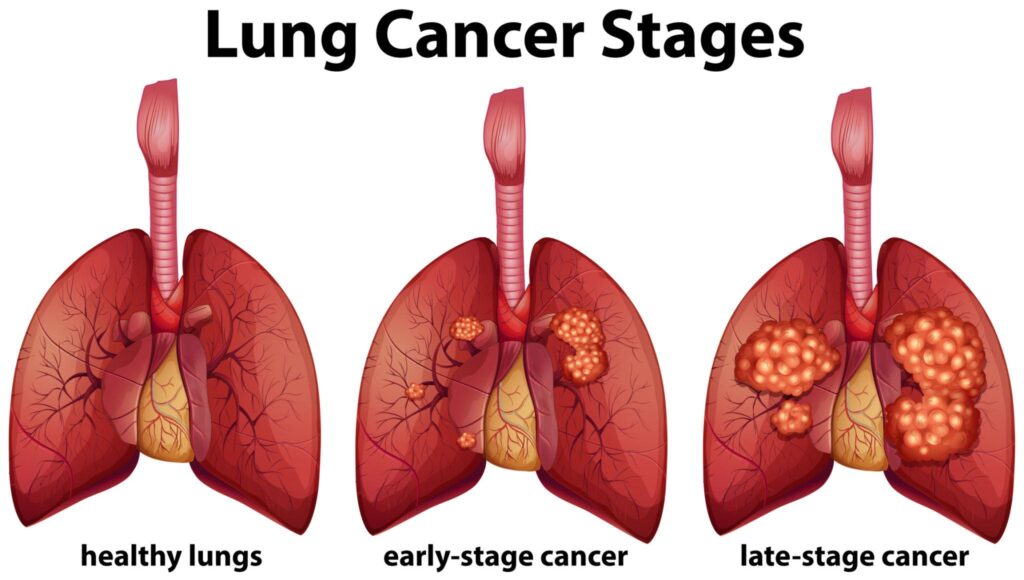
What Is Advanced Stage Lung Cancer?
Understanding Lung Cancer Staging and What It Means
A diagnosis of lung cancer can feel overwhelming—especially when you hear the words advanced stage. But understanding what “advanced stage lung cancer” actually means can help you make informed decisions, ask better questions, and feel more prepared for what lies ahead.
At Stage4Hope, we believe knowledge brings clarity—and clarity brings strength.
What Is Lung Cancer?
Lung cancer begins when abnormal cells grow uncontrollably in the lungs. There are two primary types:
- Non-Small Cell Lung Cancer (NSCLC) – The most common type (about 80–85% of cases)
- Small Cell Lung Cancer (SCLC) – A more aggressive, fast-growing form
Doctors determine how advanced lung cancer is by assigning it a stage. Staging helps guide treatment decisions and gives insight into how far the cancer has spread.
How Lung Cancer Is Staged
Lung cancer is staged using the TNM system, which looks at:
- T (Tumor): Size and location of the main tumor
- N (Nodes): Whether nearby lymph nodes are involved
- M (Metastasis): Whether cancer has spread to distant organs
Stages range from Stage 0 to Stage IV (4).
Lung Cancer Stages Explained
Stage 0 (Carcinoma in Situ)
- Cancer cells are only in the lining of the lung
- No invasion into deeper tissue
- Highly treatable when detected
Stage I
- Cancer is confined to the lung
- No spread to lymph nodes
- Often treated with surgery and possibly chemotherapy
Stage II
- Cancer may have spread to nearby lymph nodes
- Tumor may be larger or invading nearby structures
- Treatment often includes surgery plus chemotherapy
Stage III
- Cancer has spread to lymph nodes in the center of the chest (mediastinum)
- May involve nearby organs or tissues
- Typically treated with a combination of chemotherapy, radiation, targeted therapy, or immunotherapy
Stage III is sometimes referred to as locally advanced lung cancer.
Stage IV (Advanced Stage Lung Cancer)
Stage IV lung cancer is considered advanced stage.
At this stage:
- Cancer has spread (metastasized) beyond the lungs
- Common sites include the brain, bones, liver, or adrenal glands
- It may involve fluid buildup around the lungs (malignant pleural effusion)
Stage IV is further divided into:
- Stage IVA: Cancer has spread within the chest or to one distant organ
- Stage IVB: Cancer has spread to multiple distant organs
While Stage IV is serious, treatment options have advanced significantly in recent years—especially with targeted therapies, immunotherapy, and precision oncology.
What Does “Advanced Stage Lung Cancer” Mean?
“Advanced stage lung cancer” usually refers to:
- Stage III (locally advanced)
- Stage IV (metastatic lung cancer)
It means the cancer has spread beyond its original location and requires comprehensive treatment rather than surgery alone.
However, advanced does not mean untreatable. Many patients live meaningful, extended lives with new treatment breakthroughs, clinical trials, and personalized medicine.
Treatment Options for Advanced Stage Lung Cancer
Treatment depends on cancer type, genetic mutations, overall health, and personal goals. Options may include:
- Targeted therapy (for specific gene mutations like EGFR, ALK, ROS1, RET, KRAS)
- Immunotherapy
- Chemotherapy
- Radiation therapy
- Clinical trials
- Palliative and supportive care
Genetic testing plays a crucial role in advanced lung cancer treatment, helping match patients with therapies designed specifically for their cancer’s biology.
Living With Advanced Lung Cancer
An advanced stage diagnosis affects more than the body—it impacts emotional health, relationships, finances, and daily life.
Patients often face:
- Travel costs for specialized care
- Access barriers to clinical trials
- Emotional strain
- Financial burdens
That’s where support becomes essential.
You Are Not Alone
At Stage4Hope, we exist to improve the lives of advanced-stage cancer patients by:
- Accelerating access to specialized treatments and clinical trials
- Funding cutting-edge precision oncology research
- Providing financial support for treatment-related travel
- Offering free virtual cancer support groups
- Hosting expert-led training and retreats
Whether you’ve just received a diagnosis or have been navigating advanced lung cancer for years, there is strength in community and hope in innovation.
Stay Connected with Stage4Hope
Learn more about advanced-stage lung cancer, treatment breakthroughs, how treatment timing may matter, and living well with Stage 4 cancer. Join our community to receive updates on research, virtual support groups, retreats, and training opportunities designed specifically for those facing late-stage diagnoses.
You don’t have to walk this journey alone.
Discover our world-class care partnerships for patients with late-diagnosis cancer.

Stage4Hope Featured in The Laurel Magazine Ahead of Bear Shadow Music Festival
Stage4Hope Featured in The Laurel Magazine for Bear Shadow
Stage4Hope is excited to share that we were recently featured in The Laurel Magazine in an article highlighting our partnership with the Bear Shadow Music Festival. The piece showcases our Founder, Stacy Carter’s, journey in developing Stage4Hope, along with her vision for the Ferngrove campus as the future of the Stage4Hope Retreat and Wellness Center and the permanent home of Bear Shadow.
Bear Shadow will take place May 29–31, 2026. Proceeds from Friday night’s benefit concert will go directly to Stage4Hope to fund travel expenses to support cancer patients’ access to advanced treatment.
The article also highlights the exciting future of Ferngrove, creating opportunities for additional events in the years ahead, from smaller performances and donor gatherings to wellness-focused programming that can live alongside the festival weekend. It’s a model designed to support Bear Shadow’s presence and longevity while providing Stage4Hope with a vibrant, community-centered platform to strengthen our mission of providing advanced cancer patients and caregivers the support they need.
Access the full article here >
To learn more about Bear Shadow and purchase tickets, click here >
Learn more about our partnership with Bear Shadow Music Festival.
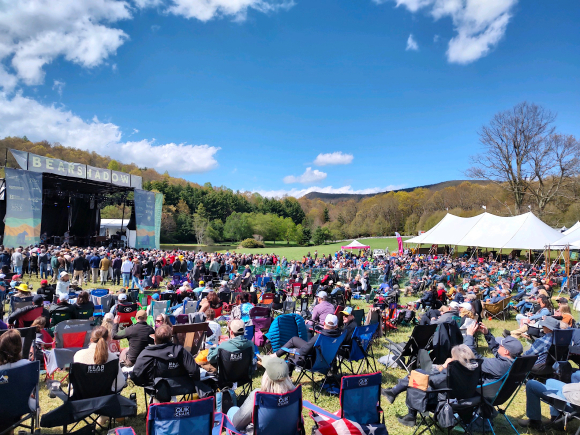
Bear Shadow Music Festival Stage 4 Hope
Bear Shadow Music Festival Partners with Stage 4 Hope to Support Families Facing Late-Stage Cancer
Music has a powerful way of bringing people together—and this spring, that connection will mean real hope for families facing late-stage cancer.
The Bear Shadow Music Festival, held May 29–31, 2026, in the heart of Highlands, has chosen Stage 4 Hope as its official charity partner. As part of this partnership, proceeds from Friday’s pre-festival benefit concert will go directly to Stage 4 Hope to help bridge the gaps patients and families face after a late-stage cancer diagnosis.
A Benefit Concert with Purpose — Friday, May 29, 2026
The festival weekend kicks off with a special Friday night benefit concert on May 29, featuring Grammy-winning headliner The Infamous Stringdusters. Every dollar raised from this concert will directly support Stage 4 Hope’s mission—providing practical resources, emotional support, and community connection to those navigating life after a late-stage cancer diagnosis.
Late-stage cancer often comes with unexpected challenges that go beyond medical treatment—financial strain, emotional isolation, caregiver burnout, and gaps in support once treatment plans are set. Stage 4 Hope exists to meet families in those moments, offering encouragement, education, retreats, and access to resources when they are needed most.
About Bear Shadow Music Festival
Now celebrating its 5th year, Bear Shadow is a three-day music festival set against the stunning backdrop of the Blue Ridge Mountains. Located at Base Camp—just five minutes from downtown Highlands—the festival blends incredible live music with immersive daytime experiences that highlight the connection between music, mind, body, and nature.
With warm spring temperatures, breathtaking mountain scenery, and a thoughtfully curated lineup of Grammy-worthy performers, Bear Shadow has become a must-attend event for music lovers seeking more than just a concert—it’s a full weekend experience designed to inspire and restore.
Why This Partnership Matters
By choosing Stage 4 Hope as its charity partner, Bear Shadow Music Festival is extending its mission beyond music—using the power of community to make a tangible difference in the lives of people facing late-stage cancer. The Friday benefit concert allows festival-goers to enjoy an unforgettable night of music while directly impacting families who need hope, connection, and support.
Learn More & Get Involved
To learn more about the Friday pre-festival benefit concert and how Bear Shadow Music Festival is supporting Stage 4 Hope, visit the official event page here:
👉 https://bearshadownc.com/stage4-hope/
To purchase your tickets for bear shadow.
Whether you’re attending for the music, the mountains, or the mission—your presence helps bring hope to families walking one of life’s hardest journeys.
To learn more about events like this, upcoming retreats, trainings, and supportive opportunities, join the Stage 4 Hope community and receive alerts about experiences and resources you may be interested in.

New Year, New Me: Self-Care with Late-Stage Cancer
New Year Self-Care When You Have Late-Stage Cancer
Reimagining resolutions through self-care, compassion, and community
The start of a new year often brings fresh energy, intentions, and the age-old question: “Am I going to make a New Year’s resolution?” For many people, this means goals around fitness, diet, or productivity. But when you’re living with late-stage cancer, your priorities — and your needs — can look very different.
Instead of “fixing” yourself, this year’s resolution can be about nurturing you — your body, your heart, and your spirit — in ways that honor your reality.
Reframing Resolutions: What Self-Care Really Means
Traditional New Year’s resolutions often focus on change — do more, do better, be stronger. But for someone navigating advanced cancer, self-care isn’t about pressure or performance. It’s about sustaining well-being in the midst of challenge.
Self-care can look like:
- Prioritizing rest and emotional renewal — sleep, gentle rhythm, space to breathe. MD Anderson Cancer Center
- Finding moments of joy and calm each day, even if they’re short. Reading a favorite book, sitting in sunlight, or simply being present with a good cup of tea. Cancer Today
- Mindful practices, like meditation, yoga, journaling, or intentional reflection — activities shown to help people living with serious illness manage stress and cultivate peace. UT Health San Antonio Cancer Center
- Engaging with community and support — connection is healing. Knowing you’re not alone matters more than you might realize. Stage4Hope
These aren’t “goals” in the traditional sense. They’re intentions of care — grounded in compassion and attuned to your strength and limitations.
Self-Care in Action: How Stage4Hope Can Support You
If self-care is about connection, renewal, and strength, then you don’t have to walk it alone. That’s where Stage4Hope’s Retreats & Training programs come in.
Our retreats — offered both virtually and in person — are designed precisely to support people living with advanced cancer through reflection, community, and emotional nourishment.
💛 Strength for the Journey — Virtual (monthly)
A 90-minute, therapist-led retreat that invites you to pause, reflect, and find support with others walking similar paths. It’s free, and all you need is your willingness to show up for yourself.
💛 Strength for the Journey — In-Person (weekend retreats)
Held in peaceful settings, these immersive weekends offer deeper time for rest, connection, and guided healing. These spaces are about renewing your spirit, not fixing your outcome.
💛 Still Me — Virtual for the Newly Diagnosed
If you’re newly navigating a late-stage diagnosis, this space gives you compassionate tools for steadiness and emotional grounding.
💛 Training for Caregivers and Professionals
Support isn’t just for patients — caregivers need strength too. Our retreats help those who care without losing themselves.
👉 Learn more or register for upcoming retreats and trainings.
A Gentle Resolution for the New Year
Instead of measuring success by what you accomplish, imagine this resolution: “I will tend to myself with kindness.”
Whether that means a quiet morning with sunlight on your face, joining a supportive community online, or simply allowing yourself to rest — that’s worthy of celebration. Self-care isn’t side-lined work — it’s foundational to your strength through this journey.
This year, let your resolution be presence over pressure, renewal over achievement, and compassion over rules. You don’t have to do it all—you just have to honor yourself in every day you’re given. Learn more about navigating the holidays with cancer and how to be yourself at Christmas gatherings.
Prioritize Yourself This Year — You’re Worth It
Self-care isn’t selfish, especially when you’re living with late-stage cancer. Whether you’re seeking rest, reflection, or meaningful connection, Stage 4 Hope is here for you. Learn more about topics like New Year self-care with late-stage cancer by joining our community. Connect with others who understand your experience and gain access to trusted resources, upcoming events, medical updates, and invitations to supportive virtual gatherings.

Christmas with Late-Stage Cancer
A Special Message for Finding Hope & Encouragement this Holiday Season
Find hope and peace this Christmas while living with late-stage cancer. Watch a gentle message of faith, encouragement, and strength for the season. In this Christmas message, Sharon May, Ph.D., Founder of Safe Haven Relationship Center and Board Member, offers a quiet moment of hope and encouragement for anyone walking through cancer.
In a season that can feel heavy, we invite you to pause for a few minutes of faith, peace, and gentle strength—reminding you that you are not alone and that hope is still being born in your story.
Stage4Hope provides emotional support, restorative cancer retreats, and access to life-saving care for patients across the country.
- Learn more and register for upcoming Strength Through the Journey virtual retreats.
- Read our related blog posts about navigating the holidays and self-care in the new year.
You’re Not Alone—Connect with the Stage 4 Hope Community
Whether you’re navigating treatment options, seeking emotional support, or trying to make sense of a new diagnosis, Christmas with late-stage cancer is not something you have to face alone. Stage 4 Hope is here for you. Join our community to connect with others who understand your experience and gain access to resources, events, medical updates, and invitations to supportive virtual events.

Navigating the Holidays With Stage 4 Cancer
Navigating the Holidays With Stage 4 Cancer – Finding Peace & Hope
The holiday season is often described as joyful, busy, bright, and full of celebrations. But for those living with stage 4 cancer, this time of year can feel very different. Between medical appointments, treatment side effects, emotional fatigue, and the pressure to “be cheerful,” the holidays may bring a mix of hope, sadness, gratitude, and uncertainty.
If you’re navigating this season while managing stage 4 cancer, or supporting someone who is, here are a few gentle reminders and practical ways to make space for what matters most.
1. Give Yourself Permission to Feel What You Feel
The holidays can intensify emotions. You may feel joy, grief, gratitude, fear, or even all of them in the same day. This is normal.
You do not need to force holiday cheer or pretend that everything is fine. Allow yourself to feel what arises—without judgment. Your emotional experience is valid, and honoring it is an important part of caring for yourself.
2. Set Realistic Expectations
Traditions may look different this year, and that’s okay.
You don’t have to host large gatherings, attend every event, or keep up with holiday tasks if they leave you exhausted. Simplifying plans can actually create more meaningful moments with the people who matter most.
Consider options such as:
- Smaller or shorter gatherings
- Delegating holiday cooking or decorating
- Choosing experiences over expectations
- Letting loved ones know your limits ahead of time
Your energy is precious. Protect it gently.
3. Create New Traditions That Bring Comfort
If old traditions feel overwhelming or bittersweet, it may help to introduce new ones that honor where you are now.
Some ideas include:
- A quiet Christmas morning walk
- Lighting a candle for peace or remembrance
- Watching a favorite holiday movie
- Writing gratitude notes
- Sharing simple moments with family at home
New traditions are not a replacement for old ones—they’re an invitation to be present in the season as it is.
4. Let People Help You (Even If It Feels Hard)
The people who love you want to support you. Allowing them to help—with meals, errands, decorating, or simply keeping you company—can bring comfort to both sides.
If you’re not sure what to ask for, consider saying:
“I don’t know what I need right now, but I could use company.”
“Could you help with ___ this week?”
“I’d love it if you could check in by text every few days.”
Community matters, especially during the holidays.
5. Make Space for Rest and Reflection
The holidays can move fast, even when your body needs to move slowly. Make room for rest, stillness, and moments that bring you grounding.
You may find encouragement in:
- Gentle breathing
- Prayer or meditation
- Listening to peaceful holiday music
- Journaling your hopes for the season
These simple practices can help bring peace in a season that often feels rushed.
A Gentle Space for Hope This Holiday Season
If you’re looking for a supportive place to pause, breathe, and find meaning this Christmas season, we invite you to join us for our upcoming virtual retreat:
Strength for the Journey — Free Virtual Event
December 5, 2025 | 12–1:30 PM EST
Led by:
- Dr. Sharon May, Ph.D., LMFT — internationally recognized therapist & author
- Dr. Sylvia Fredj, MCC, NBC-HWC — nationally board-certified health & wellness coach
This month’s theme, “Merry Christmas,” offers compassionate space for those walking through stage 4 cancer. Together, we will reflect, connect, and rediscover joy during a season often overshadowed by treatment, appointments, and uncertainty.
You do not have to carry the holidays alone. Learn more about our upcoming virtual support.
6. Hold Onto Hope—Even in Small Moments
Hope doesn’t always look big or loud. Sometimes it looks like:
- A quiet morning without pain
- Laughter with someone you love
- A warm blanket and a favorite book
- Light catching the edge of a Christmas ornament
These small moments matter. They can be reminders that beauty and meaning are still present, even in difficult seasons.
You Are Not Alone This Holiday Season
Navigating the holidays with stage 4 cancer is complex, emotional, and deeply personal. Whether this season brings joy, heaviness, or a mix of both, know that your feelings matter and your journey is honored.
If you need connection, encouragement, or a compassionate community, we welcome you to join us at Strength for the Journey on December 5.

Yoga, Meditation, and More Bring Relief
Yoga, Meditation, and Integrative Medicine Ease Cancer Treatment Side Effects
A new clinical trial shows that live, online classes in yoga, meditation, tai chi, and fitness can do more than just help patients feel calmer — they can actually reduce the side effects of cancer treatment. Patients who joined these virtual integrative medicine sessions during chemotherapy, radiation, immunotherapy, or targeted therapy reported less fatigue, anxiety, depression, and trouble sleeping. Remarkably, they also needed fewer hospital stays, and when they were admitted, their time in the hospital was much shorter.
This approach, offered through Memorial Sloan Kettering’s Integrative Medicine at Home program, costs $25 per month and is available to patients anywhere — not just those treated at MSK. Many patients find the classes give them both physical strength and emotional support by connecting with others going through cancer. Other services like acupuncture and music therapy can also play a role in making treatment more tolerable. Research continues to grow, with hopes of expanding access nationwide. For patients and caregivers, these integrative therapies provide a safe, evidence-based way to feel stronger and more supported throughout cancer treatment.
Read the complete article here >
You’re Not Alone—Connect with the Stage4Hope Community
Whether you’re navigating treatment options, seeking emotional support, or trying to make sense of a new diagnosis, Stage 4 Hope is here for you. Learn more about topics like yoga and integrative therapy—and how friendship, community, and a positive mindset can make all the difference in your journey. Join our community to connect with others who understand your experience and gain access to resources, events, medical updates, and invitations to supportive virtual events.
Learn about where a targeted pill delays lung cancer return

Friendship During Cancer
The Power of Friendship When Facing Cancer
When you’re walking through something as overwhelming as cancer, one of the most powerful lifelines you can hold onto is this: you don’t have to walk it alone.
I’m Dr. Sharon May with Stage4Hope, and I want to share two important truths backed by research—and rooted in real-life experience—that can bring you comfort and strength:
- Good friends truly matter.
- A positive mindset can make all the difference.
We already know that going through something difficult with a friend by your side makes it easier. But science now confirms this truth in a profound way. In Dr. James Coan’s research, people were given mild electric shocks—yes, you read that right!—but when they held the hand of someone they deeply cared about, the stress response in their brain significantly decreased. The pain was more bearable simply because someone they loved was there.
That’s the power of presence.
Another powerful study published in Psycho-oncology (2010) followed cancer survivors for eight years. They found that those who received meaningful emotional support just three months after their diagnosis experienced post-traumatic growth—they were better emotionally, mentally, and spiritually years later. Support doesn’t just help in the moment—it shapes how you move through your cancer journey and who you become on the other side.
So what does this mean for you? It means you need people. And they need you, too.
How to stay connected with friends during cancer?
- Reach out to two or three friends. Keep those friendships going. Be intentional. Let the conversation be mutual—yes, talk about your cancer journey, but also listen your friend’s everyday stories. Friendship flows both ways.
- Join a group. If you didn’t have many close connections at the start of your journey, it’s never too late. A support group creates a place to belong, to connect, and to share with people who understand. You can also begin by joining one of our virtual women’s retreats. With gentle teaching and encouraging community you will find friendship and strength for your journey.
- Teach your friends how to walk this road with you. It’s okay to tell them what’s helpful and what’s not. Sometimes they won’t know what to say—help them out. You’ll learn together.
- Teach your family how to be there with you. This journey is difficult for both you and your family. Your family will go between grief for you and grief for themselves. Which means your spouse or children will, at times, struggle with their own emotions of fears, anger, depression, loss and grief. And for certain your family will not always say the most comforting things nor be there the way you hope. They will probably disappoint you leaving you hurt and maybe alone. Families are complicated, but now is the time to let go of resentment and small irritations. Make an effort to be there for each other, one struggle at a time, one day at a time. If it gets too complicated, reach out for professional help from a counselor or relationship coach.
- Keep being you. Cancer may be part of your story right now, but it is not the whole story. You are still you—funny, strong, sensitive, quirky, wise. Hold onto your identity and let it shine in your relationships.
- Stay connected to your world. You still have a family, a neighborhood, hobbies and routines. Keep participating in what makes life rich and meaningful. You have so much to give—and receive.
- Don’t isolate. This is the hardest part for some. But I gently encourage you: risk reaching out. Let someone be there for you. Hold someone’s hand—literally or figuratively. It truly makes a difference.
Reach out—we’d love to hear from you.
I’m cheering you on, friend. You are not alone. And here at Stage4Hope, we’re walking alongside you every step of the way.
If you’re looking for connection, encouragement, and growth, I invite you to join our upcoming women’s virtual retreat. It’s a time to rest, be renewed, and find community with other brave women walking their own journeys.
Author- Dr. Sharon May
The Importance of Social Support and Being Positive When Facing Cancer
- (2010, January 19). Type of social support matters for prediction of post-traumatic growth among cancer survivors.
- Coan, J.A., Schaefer, H.S., & Davidson, R.J. (2006). Lending a hand: Social regulation of the neural response to threat. Psychological Science.

Talc and Cancer: What to Know
Talc and Cancer: Risks, Asbestos Concerns & Safety Tips
Talc, a mineral found in some baby powders, cosmetics, medications, and even food, is now under serious review by the U.S. Food and Drug Administration (FDA). This attention comes after decades of debate and thousands of lawsuits linking talc to ovarian cancer—especially from using talc-containing powders in intimate areas. While the science isn’t yet settled, researchers agree on one troubling issue: talc is often contaminated with asbestos, a known cancer-causing substance. And because companies aren’t required to prove their talc is asbestos-free, consumers may be unknowingly exposed.
The strongest concern is for those who use talc-based powders or cosmetics regularly, especially around sensitive areas. Some studies suggest these users may face a higher risk of ovarian cancer. Experts recommend avoiding talc whenever possible and opting for safer alternatives like cornstarch. If you’ve used talc-containing products for many years—especially in your personal care routine—it’s worth discussing with your doctor. You can also check product safety through resources like the Environmental Working Group’s Skin Deep database. (Source: TIME Magazine)
Read the complete article here >
Resources for Living With Stage 4 Cancer
Learn more about topics like talc and cancer, along with other important aspects of living with Stage 4 cancer. Become a member of our community and gain access to trusted resources, upcoming events, medical updates, and invitations to supportive virtual gatherings.
