

When Access to Care Changes a Stage 4 Cancer Story
When Options Feel Like They’re Running Out
For Nisar Hussain Khan, a diagnosis of Stage 4 lung cancer came with devastating news—there were few treatment options left.
He had already spent nearly two months in the hospital. He had lost so much weight he needed a feeding tube. Even speaking was difficult because of a severe cough.
His daughter, Kay, remembers how quickly everything changed.
“We were told there wasn’t much more they could do,” she shared.
For many families facing advanced lung cancer, this is the moment when time feels like it’s slipping away.
But for some patients, clinical trials for lung cancer can offer access to advanced Stage 4 lung cancer treatment options that are not available elsewhere.
A Turning Point Through Clinical Trials
Everything changed when Nisar and his family sought care at Memorial Sloan Kettering Cancer Center.
There, they were offered something many patients never get the chance to explore—a clinical trial for Stage 4 lung cancer.
Led by Robert Daly and connected to research from Alexander Drilon, the trial focused on a targeted therapy designed to block cancer growth at the molecular level.
Within days of starting treatment, everything began to shift.
“Three days after taking the medication, I was able to talk and laugh again.”
“After a week, the terrible cough was nearly gone. I have regained over 20 pounds. I can even play ping-pong. It was a miracle.”
Living Again—Without Leaving Home
For Nisar and his family, one of the biggest concerns was the burden of travel.
Like many patients with Stage 4 lung cancer, getting to a major cancer center can be physically exhausting, emotionally overwhelming, and financially difficult.
But this clinical trial offered something different.
Through a more innovative approach, his care was coordinated remotely—allowing him to receive treatment close to home in Texas.
“It was such a huge relief for us,” Kay said. “He could stay in his own space and sleep in his own bed.”
This kind of access is changing what’s possible for patients seeking clinical trials for lung cancer.
Another Stage 4 Lung Cancer Story
Tengo Shautidze was facing a different form of aggressive lung cancer when he was offered an innovative immunotherapy treatment.
Traditionally, this type of Stage 4 lung cancer treatment requires hospitalization due to potential side effects.
But through a new “hospital at home” approach led by Dr. Daly, Tengo was able to receive treatment from his own home—with telehealth monitoring, in-home visits, and support.
“Getting medicine this way is much more convenient… it’s easier on you and your family.”
“It’s also better psychologically — you don’t feel as sick.”
For Tengo and his wife, this approach made a meaningful difference—not just physically, but emotionally.
“My husband feels so much better,” his wife shared. “And is doing so much better.”
Why These Stage 4 Lung Cancer Stories Matter
Nisar and Tengo’s experiences highlight something critical:
For patients with Stage 4 lung cancer, the right treatment—and the right access—can change everything.
Clinical trials for lung cancer are not just research. They provide access to:
- Advanced targeted therapies and immunotherapy
- New Stage 4 lung cancer treatment options
- Opportunities when standard treatments no longer work
Yet only a small percentage of patients ever participate in clinical trials.
The Reality: Access Is Still the Biggest Barrier
Many patients are not missing options—they are missing access.
Delays in referrals, lack of awareness about clinical trials for lung cancer, and the burden of travel prevent patients from reaching the care that could extend their lives.
For patients with Stage 4 cancer, time is everything.
How Stage4Hope Helps Patients Move Faster
At Stage4Hope, we are focused on one mission:
Helping patients with Stage 4 cancer access life-saving care—faster.
We help patients:
- Connect with leading cancer centers
- Explore targeted therapy and clinical trial options
- Navigate complex treatment decisions
- Access travel support when distance is a barrier
👉 Learn more about how we support patients: https://stage4hope.org
If you or a loved one has been diagnosed with Stage 4 cancer, getting to the right place quickly can make all the difference.
👉 Explore resources and patient support: https://stage4hope.org/resources
Healthcare providers and partners can also refer patients directly to help accelerate access to care:
👉 Check out our travel grants: https://stage4hope.org
References:
https://www.mskcc.org/news/msk-clinical-trials-bringing-promise-of-new-medicine-to-more-patients

A Stage 4 Lung Cancer Breakthrough Story
When a Stage 4 Diagnosis Changes Everything
When Joanne Ferrari-Mautino went in for an X-ray, she knew something wasn’t right.
“I’ve been a nurse for 20 years,” she said. “I knew it was not a good sign.”
What started as a persistent cough quickly turned into something far more serious. Within days, Joanne was told she had Stage 4 non-small cell lung cancer—and a life expectancy of just 18 months to two years.
In that moment, everything changed.
She had a teenage son. A partner. A life she loved in her small Connecticut town. And suddenly, she was facing a diagnosis that felt overwhelming and uncertain.
Finding Answers Through Biomarker Testing
But Joanne’s story didn’t end there.
Further testing revealed something critical—a genetic mutation known as a ROS1 fusion, a rare driver of lung cancer. That one piece of information changed everything about her treatment path.
She was referred to Memorial Sloan Kettering Cancer Center, where she met Alexander Drilon, a physician who specializes in ROS1 lung cancer treatment.
Instead of standard chemotherapy, Joanne was able to begin targeted therapy for Stage 4 lung cancer—a treatment designed specifically for the genetic mutation driving her cancer.
What followed felt, in her words, like a miracle.
“I live a normal life. Sometimes people don’t even know I have cancer.”
A Second Story of Strength
Joanne’s experience is not the only one.
Anthony Valente, 63, was also diagnosed with advanced lung cancer after tumors were discovered during a routine exam. Initial treatment worked for a time—but eventually, the cancer began to grow again.
At that point, he was offered something different: a clinical trial for a next-generation ROS1 targeted therapy.
After starting treatment, he saw rapid improvement.
“The cancer shrunk and shrunk and shrunk. I actually feel better now than before I had cancer.”
For Anthony, it wasn’t just the treatment that made a difference—it was also the support around him. His wife of 40 years stood beside him through every step, and the care team helped guide him through difficult decisions.
Why These Stories Matter
Joanne and Anthony’s stories highlight something incredibly important for patients with Stage 4 lung cancer:
The right treatment can change everything.
Advances in targeted therapy for lung cancer, including newer drugs like Repotrectinib, Taletrectinib, and Zidesamtinib, are helping patients live longer with fewer side effects.
But these treatments are only possible when patients:
- Receive biomarker testing
- Get connected to the right specialists
- Access leading cancer centers and clinical trials
And for many patients, that access is the biggest challenge.
The Reality Many Patients Face
Too often, patients are not missing options—they are missing access.
Delays in referrals, lack of awareness about ROS1 lung cancer treatment, and the burden of travel can prevent patients from reaching the care that could extend their lives.
Time matters—especially with advanced cancer.
How Stage4Hope Helps Patients Like Joanne and Anthony
At Stage4Hope, we are focused on one mission:
Helping patients with Stage 4 cancer access life-saving care—faster.
We help patients:
- Connect with leading cancer centers
- Explore targeted therapy and clinical trial options
- Navigate complex treatment decisions
- Access travel support when distance is a barrier
👉 Learn more about how we support patients: https://stage4hope.org
If you or a loved one has been diagnosed with Stage 4 lung cancer, especially with a known mutation like ROS1, getting to the right place quickly can make all the difference.
👉 Explore resources and patient support: https://stage4hope.org/resources
Healthcare providers and partners can refer patients directly to Stage4Hope for travel assistance grants, helping reduce the financial burden of traveling for treatment or a second opinion.
👉 Refer a patient or partner with us: https://stage4hope.org
References:
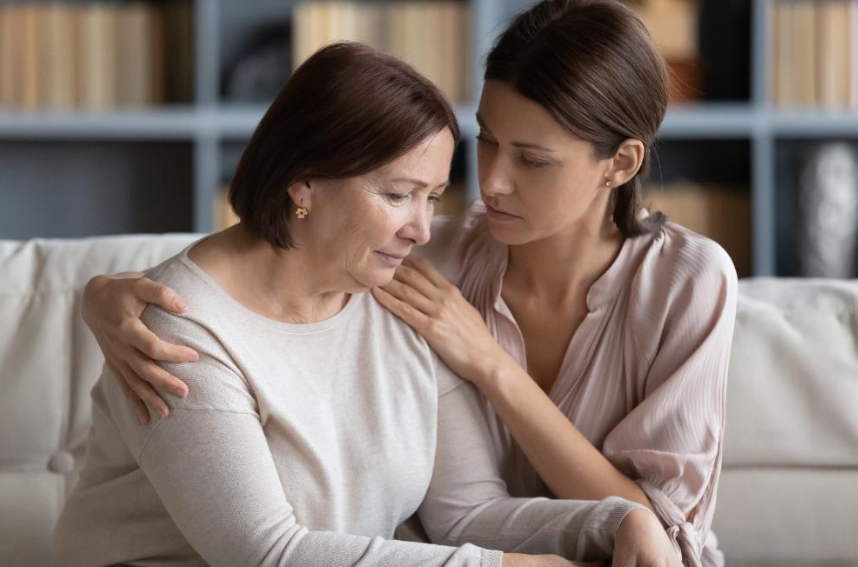
Strength for the Journey Six Virtual Cancer Retreats 2026
Strength for the Journey Six Virtual Cancer Retreats with Dr Sharon May
Strength for the Journey is a six-part virtual retreat series for people facing cancer at any stage. Each gathering follows one of the six Become Your Best themes while speaking directly to the emotional, spiritual, relational, and practical realities of cancer.
These retreats are not about pretending to be fearless. They are about finding strength that is honest, rooted, compassionate, and real. Through guided reflection, research-informed coping tools, meaningful conversation, journaling prompts, and gentle spiritual encouragement, participants are invited to remember: Cancer may be part of your story, but it is not all of who you are. You are still becoming. You are still loved. You are still you.
________________________________________
July 6, 2026 – Stay Rooted When Life Feels Uprooted
Strength for the Journey Theme: Stay Rooted in Your Faith and What Grounds You
Cancer can make life feel suddenly unstable. Appointments, scans, treatments, side effects, uncertainty, and changing plans can leave women feeling as though the ground beneath them has shifted. This retreat creates a gentle space to return to what still holds: faith, breath, prayer, scripture, values, trusted relationships, memories of strength, and the quiet presence of God.
This retreats helps participants identify what they can return to when they feel afraid, overwhelmed, tired, or alone.
Coaching Questions:
“What grounds me when I do not have answers?”
“What truth can I return to today?”
“What helps me feel held, even when I do not feel strong?”
________________________________________
August 17, 2026 – My Story Is Still Mine
Strength for the Journey Theme: Examine Your Life Story & Inner Life
Cancer often becomes a major chapter in a person’s life story, but it is not the whole story. This retreat invites participants to gently examine the inner life of cancer: the fear, grief, anger, courage, tenderness, and questions that may not always have room to be spoken.
Through guided reflection and optional journaling, attendees will explore the difference between having cancer and being defined by cancer. The retreat helps participants honor what has been interrupted while also remembering what remains true about who they are. It gives space for honest emotions without forcing positivity or rushing toward acceptance.
Coaching Questions:
“What has cancer interrupted?”
“What has cancer revealed?”
“What part of me is still here, still mine, still untouched?”
“What do I wish people understood about my experience?”
________________________________________
September 10, 2026 – Still Me: Choosing Who I Want to Be in This Season
Strength for the Journey Theme: Become Your Best Self Through Intentional Living
This retreat centers on one of the most powerful questions a person facing cancer can ask: Who do I want to be while I am in this?
Cancer can take away plans, routines, energy, independence, confidence, and a sense of control. But it cannot take away the deeper freedom Viktor Frankl described: the freedom to choose one’s attitude and one’s way of meeting life. This retreat explores values-based living — acting from what matters most, even when life feels hard and the body feels unreliable.
Coaching Questions:
“What do I most want to be known for — by myself and by the people I love — in this season?”
“What word feels most like the truest version of me?”
“What is one small way I can live toward that word this week?”
________________________________________
October 5, 2026 – Letting Love Meet Me Here
Strength for the Journey Theme: Love Wholeheartedly
Cancer affects relationships. Some people show up beautifully. Some disappear. Some say the wrong thing. Some try to help but do not know how. Many people find themselves trying to protect everyone else emotionally while also carrying their own fear, pain, and exhaustion.
This retreat explores what it means to love and be loved in the middle of vulnerability. Participants will reflect on receiving help, asking for what they need, setting boundaries, having honest conversations, and allowing love to become simpler, more practical, and more present.
Coaching Questions:
“What kind of support actually helps me?”
“What am I tired of pretending is okay?”
“What conversation might bring more honesty, closeness, or relief?”
________________________________________
November 2, 2026 – Wisdom for the Hard Days
Strength for the Journey Theme: Live Wisely & Resiliently
Some days require courage. Other days require wisdom. This retreat focuses on emotional steadiness, self-compassion, energy management, scanxiety, uncertainty, and practical resilience for the hard days of cancer.
Rather than defining resilience as “staying strong,” this retreat reframes resilience as learning how to return to yourself again and again. Participants will explore the difference between what is theirs to carry and what is not, how to respond to fear without being ruled by it, and how to make wise choices when energy is limited.
Coaching Questions:
“What does my body need from me today?”
“What helps me come back to myself when fear rises?”
“What is one kind thing I can do for myself this week?”
________________________________________
December 7, 2026 – Meaning, Hope, and the Life Still in Front of You
Strength for the Journey Theme: Live with Purpose
Cancer often brings people face-to-face with the deepest questions: What matters now? What am I living for? What does hope mean when life feels uncertain? What legacy am I already leaving through the way I love?
This retreat is tender, honest, and meaning-centered. It does not define purpose as productivity. It does not define hope only as cure. Instead, it invites people to discover purpose in presence, love, courage, faith, beauty, gratitude, advocacy, relationships, and small acts of meaning.
Coaching Questions:
“What makes today meaningful, even if it is hard?”
“What kind of hope is still available to me?”
“What do I want to pass on — through my words, my presence, my faith, my courage, my tenderness?”
________________________________________
Location: Online, Zoom link provided upon registration.
Cost: Free of charge
Limited Spots Available- Reserve Your Spot Today for Loving Well in Cancer
Strength for the Journey Virtual Cancer Retreat July, 6 2026
Strength for the Journey Virtual Cancer Retreats with Dr Sharon May
July 6, 2026 from 3-3:45pm EST- Stay Rooted When Life Feels Uprooted
Strength for the Journey Theme: Stay Rooted in Your Faith and What Grounds You
Cancer can make life feel suddenly unstable. Appointments, scans, treatments, side effects, uncertainty, and changing plans can leave women feeling as though the ground beneath them has shifted. This retreat creates a gentle space to return to what still holds: faith, breath, prayer, scripture, values, trusted relationships, memories of strength, and the quiet presence of God. This retreats helps participants identify what they can return to when they feel afraid, overwhelmed, tired, or alone.
Coaching Questions:
“What grounds me when I do not have answers?”
“What truth can I return to today?”
“What helps me feel held, even when I do not feel strong?”
________________________________________
Location: Online, Zoom link provided upon registration.
Cost: Free of charge
Limited Spots Available- Reserve Your Spot Today for Loving Well in Cancer
Strength for the Journey Virtual Cancer Retreat August 17, 2026
Strength for the Journey Virtual Cancer Retreats with Dr Sharon May
August 17, 2026 from 3-3:45pm EST- My Story Is Still Mine
Strength for the Journey Theme: Examine Your Life Story & Inner Life
Cancer often becomes a major chapter in a person’s life story, but it is not the whole story. This retreat invites participants to gently examine the inner life of cancer: the fear, grief, anger, courage, tenderness, and questions that may not always have room to be spoken.
Through guided reflection and optional journaling, attendees will explore the difference between having cancer and being defined by cancer. The retreat helps participants honor what has been interrupted while also remembering what remains true about who they are. It gives space for honest emotions without forcing positivity or rushing toward acceptance.
Coaching Questions:
“What has cancer interrupted?”
“What has cancer revealed?”
“What part of me is still here, still mine, still untouched?”
“What do I wish people understood about my experience?”
________________________________________
Location: Online, Zoom link provided upon registration.
Cost: Free of charge
Limited Spots Available- Reserve Your Spot Today for Loving Well in Cancer
Strength for the Journey Virtual Cancer Retreat September 10, 2026
Strength for the Journey Virtual Cancer Retreats with Dr Sharon May
September 10, 2026 from 3-3:45pm EST- Still Me: Choosing Who I Want to Be in This Season
Strength for the Journey Theme: Become Your Best Self Through Intentional Living
This retreat centers on one of the most powerful questions a person facing cancer can ask: Who do I want to be while I am in this?
Cancer can take away plans, routines, energy, independence, confidence, and a sense of control. But it cannot take away the deeper freedom Viktor Frankl described: the freedom to choose one’s attitude and one’s way of meeting life. This retreat explores values-based living — acting from what matters most, even when life feels hard and the body feels unreliable.
Coaching Questions:
“What do I most want to be known for — by myself and by the people I love — in this season?”
“What word feels most like the truest version of me?”
“What is one small way I can live toward that word this week?”
________________________________________
Location: Online, Zoom link provided upon registration.
Cost: Free of charge
Limited Spots Available- Reserve Your Spot Today for Loving Well in Cancer
Strength for the Journey Virtual Cancer Retreat October 5, 2026
Strength for the Journey Virtual Cancer Retreats with Dr Sharon May
October 5, 2026 from 3-3:45pm EST– Letting Love Meet Me Here
Strength for the Journey Theme: Love Wholeheartedly
Cancer affects relationships. Some people show up beautifully. Some disappear. Some say the wrong thing. Some try to help but do not know how. Many people find themselves trying to protect everyone else emotionally while also carrying their own fear, pain, and exhaustion.
This retreat explores what it means to love and be loved in the middle of vulnerability. Participants will reflect on receiving help, asking for what they need, setting boundaries, having honest conversations, and allowing love to become simpler, more practical, and more present.
Coaching Questions:
“What kind of support actually helps me?”
“What am I tired of pretending is okay?”
“What conversation might bring more honesty, closeness, or relief?”
________________________________________
Location: Online, Zoom link provided upon registration.
Cost: Free of charge
Limited Spots Available- Reserve Your Spot Today for Loving Well in Cancer
Strength for the Journey Virtual Cancer Retreat November 2, 2026
Strength for the Journey Virtual Cancer Retreats with Dr Sharon May
November 2, 2026 from 3-3:45pm EST– Wisdom for the Hard Days
Strength for the Journey Theme: Live Wisely & Resiliently
Some days require courage. Other days require wisdom. This retreat focuses on emotional steadiness, self-compassion, energy management, scanxiety, uncertainty, and practical resilience for the hard days of cancer.
Rather than defining resilience as “staying strong,” this retreat reframes resilience as learning how to return to yourself again and again. Participants will explore the difference between what is theirs to carry and what is not, how to respond to fear without being ruled by it, and how to make wise choices when energy is limited.
Coaching Questions:
“What does my body need from me today?”
“What helps me come back to myself when fear rises?”
“What is one kind thing I can do for myself this week?”
________________________________________
Location: Online, Zoom link provided upon registration.
Cost: Free of charge
Limited Spots Available- Reserve Your Spot Today for Loving Well in Cancer
Strength for the Journey Virtual Cancer Retreat December 7, 2026
Strength for the Journey Virtual Cancer Retreats with Dr Sharon May
December 7, 2026 from 3-3:45pm EST– Meaning, Hope, and the Life Still in Front of You
Strength for the Journey Theme: Live with Purpose
Cancer often brings people face-to-face with the deepest questions: What matters now? What am I living for? What does hope mean when life feels uncertain? What legacy am I already leaving through the way I love?
This retreat is tender, honest, and meaning-centered. It does not define purpose as productivity. It does not define hope only as cure. Instead, it invites people to discover purpose in presence, love, courage, faith, beauty, gratitude, advocacy, relationships, and small acts of meaning.
Coaching Questions:
“What makes today meaningful, even if it is hard?”
“What kind of hope is still available to me?”
“What do I want to pass on — through my words, my presence, my faith, my courage, my tenderness?”
________________________________________
Location: Online, Zoom link provided upon registration.
Cost: Free of charge
Limited Spots Available- Reserve Your Spot Today for Loving Well in Cancer

Stage4Hope’s partnership with Bear Shadow Featured in Recent Article from MusicFestNews.com
As excitement builds for the upcoming Bear Shadow Music Festival, Stage4Hope is honored to be featured in a recent article from MusicFestNews.com highlighting our partnership with Bear Shadow and the meaningful mission behind it.
The article, “Music with a Mission: Bear Shadow Joins Forces with Stage4Hope,” shines a spotlight on how music and purpose can come together to create real impact for individuals and families facing cancer. We are grateful to MusicFestNews.com for helping amplify our mission and supporting those fighting cancer with compassion, connection, and hope.

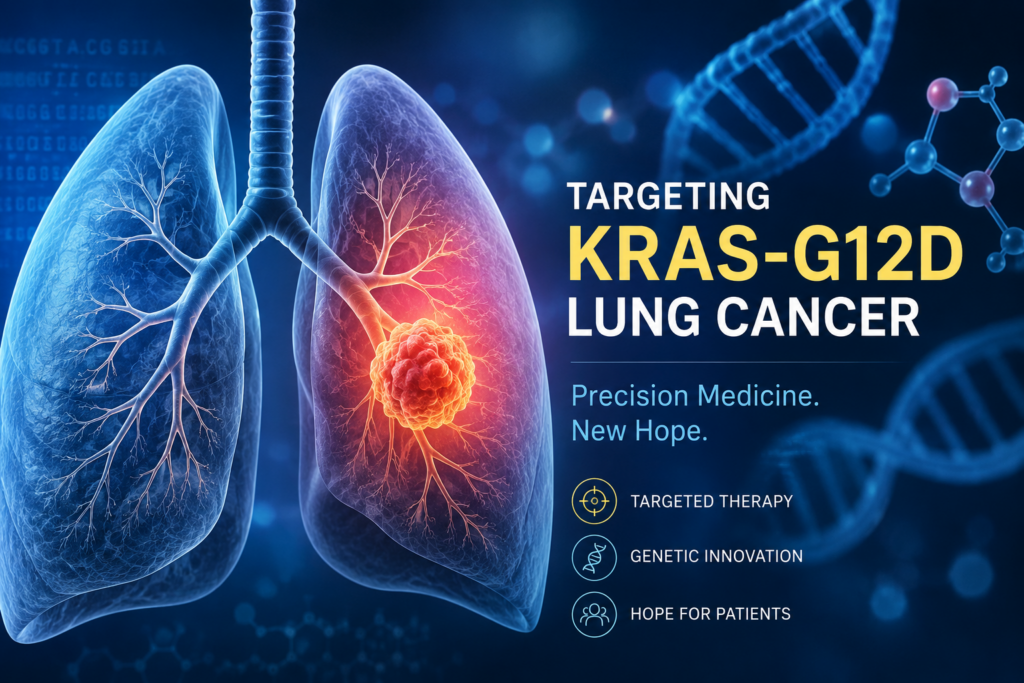
Clinical Trial Hope for ROS1 Lung Cancer
Why ROS1 Patients Should Be Watching Zidesamtinib
For people living with ROS1-positive non-small cell lung cancer, Zidesamtinib is one of the most important new developments to watch. It is being studied in the ARROS-1 clinical trial, and public trial listings show Memorial Sloan Kettering Cancer Center and Emory Winship Cancer Institute as active sites.
This matters because clinical trials should not be treated as a last resort for ROS1 patients. In some cases, a trial may be worth discussing earlier, especially when side effects, quality of life, or long term planning are already becoming part of the treatment decision. ARROS-1 includes multiple patient groups, including some who are TKI-naïve (not previously treated with a ROS1 targeted drug), which reinforces that this is not only a trial for people who have run out of standard options.
Zidesamtinib for ROS1 Lung Cancer: New Trial Hope
What Is Zidesamtinib?
Zidesamtinib is a targeted medicine being studied for cancers driven by a ROS1 fusion, a specific gene change that can fuel cancer growth. It was designed to help address some of the hardest problems ROS1 patients face, including when earlier targeted drugs stop working and when cancer spreads to the brain. Public company materials also describe activity against certain ROS1 resistance mutations, including G2032R.
Zidesamtinib is not yet FDA approved, but it is moving through FDA review after encouraging trial results. Nuvalent has announced that the FDA accepted its New Drug Application for priority review, with a target action date of September 18, 2026.
Why Is It Getting So Much Attention?
Zidesamtinib has received FDA Breakthrough Therapy Designation for patients with ROS1-positive metastatic non-small cell lung cancer who have already been treated with 2 or more ROS1 targeted drugs. That does not mean the drug is already approved, but it does reflect the significance of the early data and can help speed development and review.
Early public results from ARROS-1 have also been encouraging in previously treated ROS1-positive lung cancer, including reported responses, durable benefit in many responders, and activity in patients with brain metastases and certain resistance mutations. These are still results from an ongoing study, but they are one reason many ROS1 patients and doctors are watching zidesamtinib closely.
Who Should Ask About This Trial?
ARROS-1 is not limited to one narrow patient group. According to the public trial listing, the Phase 2 portion includes patients who are TKI-naive, patients who have had 1 prior ROS1 inhibitor, patients who have had 1 prior ROS1 inhibitor plus platinum chemotherapy, patients who have had 2 or more prior ROS1 inhibitors, and a separate cohort for other advanced solid tumors with a ROS1 rearrangement.
That means this trial may be worth asking about in more than one situation. If you are newly diagnosed and TKI-naive, it may be worth discussing. If your current ROS1 treatment is still controlling your cancer but the side effects are significantly hurting your quality of life, it may also be worth discussing. For ROS1 patients, the right time to talk about a trial is not always after progression. Sometimes it is earlier, while there is still time to make a thoughtful decision.
Where Is It Available?
The main study is ARROS-1, an active Phase 1/2 trial listed by the National Cancer Institute. Public listings show both MSK and Winship as active locations.
MSK also lists a separate expanded access pathway for zidesamtinib for certain adults with advanced ROS1-positive cancers whose disease is still growing after treatment. That means some patients may have more than one path to ask about, depending on their situation and eligibility.
Why This Matters for ROS1 Patients
For ROS1-positive lung cancer, this is a real step forward.
The treatment landscape is still moving. New options are still being developed. Clinical trials may offer access to promising therapies earlier than many patients realize. That is why trial review should be part of the conversation for ROS1 patients, especially at leading cancer centers that see these cases often and understand the evolving science.
Too often, patients hear about trials only when they are running out of options. That is too late for some people. For ROS1 patients, the better question is not only, “What do I do after this stops working?” It is also, “Should I already be exploring what comes next?”
What To Do Next
If you or someone you love has ROS1-positive lung cancer, now is a good time to ask:
- Has full molecular testing been done and reviewed recently?
- Is my current treatment still the best fit for both cancer control and quality of life?
- Should a leading cancer center review my case now?
- Should a ROS1 clinical trial be part of my plan now, not later?
- Is ARROS-1 or another trial worth discussing?
At Stage4Hope, we help patients move faster toward leading cancer centers, clinical trial opportunities, and practical support. If distance is part of the challenge, our Travel Expense Grants may also help.
Have ROS1-positive lung cancer? Ask us about expert care, clinical trial options, and travel support.

Stage 4 Cancer: What to Do First
Stage 4 Cancer: What to Do First After Diagnosis
A new cancer diagnosis can make everything feel urgent. Most people are frightened, overwhelmed, and pushed to make decisions before they even understand all their options.
But the earliest days after diagnosis are not just about moving fast. They are about making sure you do not lose options by moving too fast in the wrong direction.
Just Diagnosed with Advanced Cancer? 5 Things to Do Before Starting Treatment
Here are five of the most important things to do before starting treatment.
1. Slow things down and get the right testing first
Do not rush into treatment, especially chemotherapy, before the right information is back.
In many advanced cancers, biomarker testing can affect first line treatment decisions. NCI explains that biomarker testing looks for genes, proteins, and other substances that may help doctors choose treatment, and it can identify changes that affect how certain cancer treatments work.
Ask whether both tissue testing and, when appropriate, blood-based testing have been ordered. If those results could change your first treatment, they should be reviewed before you commit to a plan.
That means the first question should not be, “How fast can I start chemo?” It should be:
“Has my cancer been fully tested so I know all of my treatment options first?”
2. Do not choose first treatment until all options are discussed
The first treatment often matters the most because it can shape what options remain later.
Clinical trial eligibility commonly depends in part on prior treatment history, along with cancer type, stage, biomarkers, and overall health. In other words, the treatment you start first can affect what you may qualify for next.
Before deciding, ask your doctor to review all appropriate options, including:
- targeted therapy
- immunotherapy
- chemotherapy
- clinical trials
Do not let urgency push you into chemotherapy before you understand whether another option should be considered first.
3. Ask about clinical trials early, not as a last resort
Many patients think clinical trials are only for people who have run out of options. That is not true. Some trials are available for patients who are newly diagnosed or who have not yet started treatment.
Clinical trials matter because some of the newest cancer drugs are available there first.
Many phase 1 cancer trials, especially for patients with advanced cancer, are dose escalation studies in which participants receive the investigational treatment at different dose levels while researchers study safety and dosing. Patients often worry that joining a clinical trial means getting a placebo and no treatment. In cancer trials, that fear is often misunderstood. NCI says placebos are rarely used in cancer clinical trials and that giving a placebo is not ethical when an effective treatment is available.
A better question to ask is:
“Should a clinical trial be considered before I start standard treatment?”
4. Get treated at, or at minimum get a second opinion from, a major cancer center
Do not assume the first local referral is the best or only option.
NCI-Designated Cancer Centers are recognized for scientific leadership in laboratory and clinical research, and these centers often provide disease-specific expertise, broader access to clinical trials, and treatment approaches that smaller institutions may not offer.
This matters because a major cancer center may see treatment opportunities that a smaller local practice does not.
Even if you ultimately receive treatment locally, getting a second opinion from an NCI designated or other major cancer center can be one of the most important steps you take. Many insurance plans do cover major cancer centers, although referral rules, prior authorizations, and network requirements vary by plan and should be checked quickly.
5. Get support early so you can make clearer decisions
A cancer diagnosis affects far more than the body. It affects how you think, how you sleep, how you process information, and how you handle fear.
That is one reason support matters early. Patients often need space to steady themselves emotionally so they can make informed decisions medically.
At Stage4Hope, we understand that the earliest days after diagnosis can feel like the hardest. That is why we offer Strength for the Journey, our therapist-led virtual support designed specifically for people facing advanced cancer, including Still Me, our program for those who are newly diagnosed.
You do not need to have everything figured out immediately. But you do deserve the chance to make decisions from a place of clarity, not panic.
After a Stage 4 diagnosis, everything can feel urgent. But the goal is not simply to start treatment fast.
The goal is to make sure you start the right treatment first.
Need help taking the next step?
Learn how Stage4Hope helps patients access leading cancer centers and second opinions faster.
Explore our therapist-led virtual support programs for people newly diagnosed with advanced cancer.
Learn how second opinions can save lives.
Loving Well in Cancer: Virtual Retreat May 23, 2026
Strength for the Journey: Loving Well in Cancer: Virtual Retreat May 23, 2026
Loving Well – Even in the Middle of Cancer (Virtual) on May 23, 2026, is part of the monthly Strength for the Journey retreat series. This 90-minute virtual retreat is led by internationally recognized therapist and author Dr. Sharon May, Ph.D., LMFT, and is created specifically for cancer patients and caregivers.
Cancer changes relationships. Roles shift, emotions rise quickly, energy runs low, and the people we love most can suddenly feel harder to connect with. Yet research consistently shows that loving, supportive relationships are among the most powerful sources of resilience and healing for both patients and caregivers.
What It Means to Love Well in This Season
Strength for the Journey: Loving Well is a gentle, therapist-led retreat designed for cancer patients and those who walk alongside them. This experience is not about loving perfectly or giving more than you have. It is about learning to love wisely, compassionately, and honestly—without losing yourself.
Grounded in psychology, attachment research, and faith, this retreat creates space to reflect on how cancer impacts connection, how fear and exhaustion show up in relationships, and how small acts of presence, communication, repair, and healthy boundaries can restore closeness and peace.
During this time, you’ll be invited to slow down, breathe, and explore what loving well looks like in this season—at your own pace, without pressure to be strong or have it all together.
If you are longing for steadier, kinder, and more life-giving relationships in the midst of cancer, we invite you to join us.
Location: Online, Zoom link provided upon registration.
Cost: Free of charge
Limited Spots Available- Reserve Your Spot Today for Loving Well in Cancer
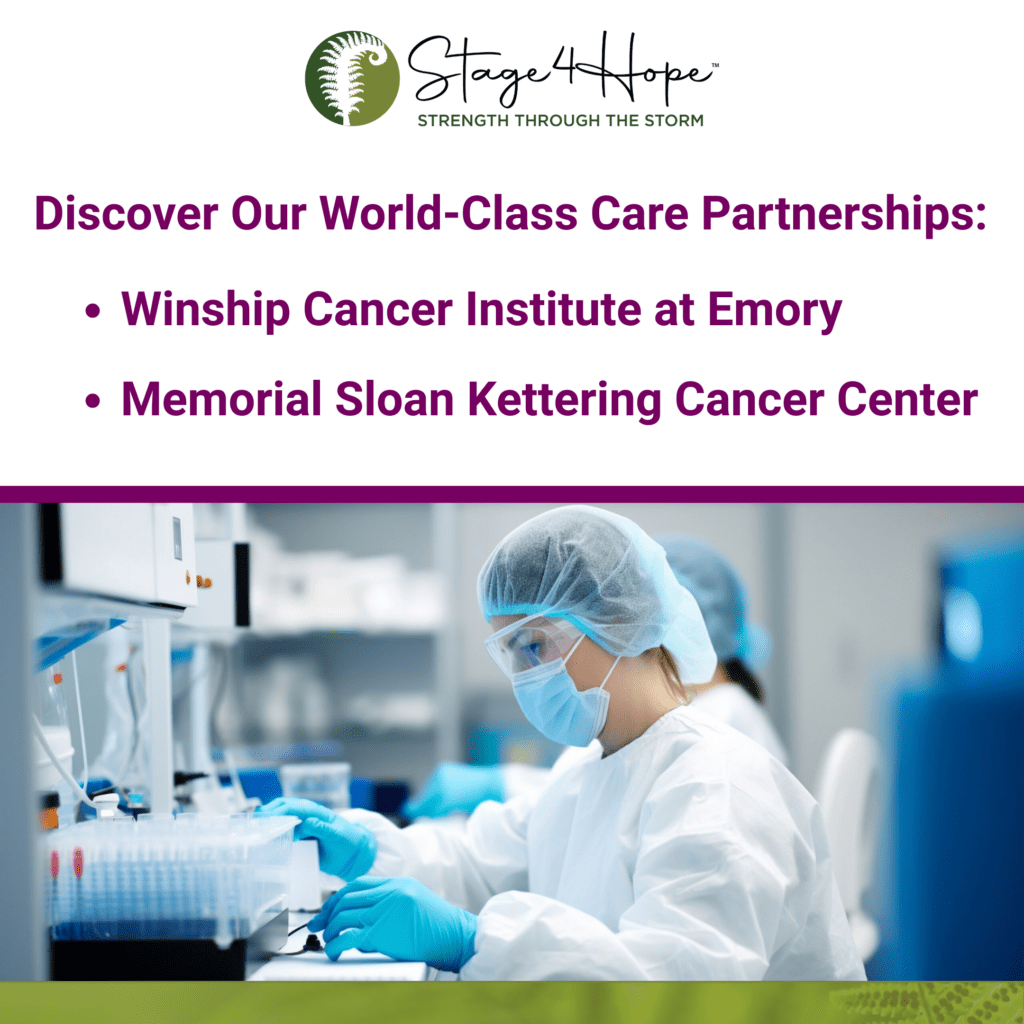
Discover Our World-Class Care Partnerships
Stage 4 Cancer Treatment Partnerships
At Stage4Hope, our mission is to accelerate the path to world-class care for patients with late-diagnosis cancer. We’ve partnered with nationally recognized cancer hospitals like Emory’s Winship Cancer Institute and Memorial Sloan Kettering, leaders in genetic testing and precision oncology, to give you direct, fast-track access to world-class care.
We make sure appointments are available in days—not weeks—so you can explore targeted therapies that may work better and cause fewer side effects than traditional chemo. Discover our partnerships:
Memorial Sloan Kettering Cancer Center
As one of the world’s most respected comprehensive centers devoted exclusively to cancer, Memorial Sloan Kettering Cancer Center (MSK) has been recognized by U.S. News & World Report as one of the top two cancer hospitals in the country for more than 30 years. Informed by basic research done at the Sloan Kettering Institute, scientists across MSK collaborate to conduct innovative translational and clinical research that is driving a revolution in understanding cancer as a disease and improving the ability to prevent, diagnose, and treat it.
Winship Cancer Institute of Emory University
At Winship Cancer Institute of Emory University, Georgia’s only NCI-designated Comprehensive Cancer Center, you’ll find leading oncology experts, personalized treatments, and access to innovative clinical trials. Every aspect of care is designed to ease the burden of cancer. Winship is at the forefront of cancer innovation and discovery. Their research is improving how cancer is prevented, detected, diagnosed, treated, and survived, and providing hope for families affected by cancer.
Learn more about the Winship Cancer Institute >

Becoming Your Best (Virtual) April 18, 2026
Strength for the Journey: Becoming Your Best (Virtual) April 18, 2026
The Becoming Your Best virtual event on April 18, 2026, is part of the monthly Strength for the Journey retreat series. This 90-minute virtual retreat is led by internationally recognized therapist and author Dr. Sharon May, Ph.D., LMFT, and is created specifically for cancer patients and caregivers.
When you’re facing cancer or caring or caring for someone who is- life can feel overwhelming, uncertain, and exhausting. You may wonder how to be your best and live well when so much feels out of your control.
We invite you to a gentle retreat led by an internationally recognized therapist and author, Dr. Sharon May, Ph.D., LMFT created specifically for cancer patients and caregivers. Strength for the Journey: Becoming Your Best is not about fixing yourself, staying positive, or doing more. It’s about finding steadiness, meaning, and direction right in the middle of this season.
When grounded in psychology, resilience research, and faith, this retreat offers space to breathe, reflect, and reconnect with what matters most– your values, your inner life, and who you want to be, even now. You’ll leave feeling more grounded, supported, and less alone.
Come as you are. There is no pressure- only care, understanding, and hope.
Location: Online, Zoom link provided upon registration.
Cost: Free of charge
Limited Spots Available- Reserve Your Spot Today for Becoming Your Best
