
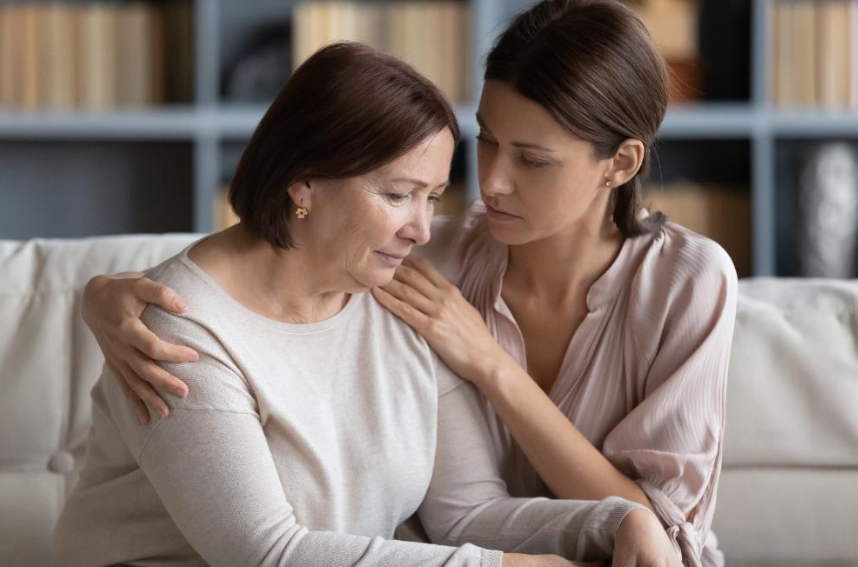
Strength for the Journey Six Virtual Cancer Retreats 2026
Strength for the Journey Six Virtual Cancer Retreats with Dr Sharon May
Strength for the Journey is a six-part virtual retreat series for people facing cancer at any stage. Each gathering follows one of the six Become Your Best themes while speaking directly to the emotional, spiritual, relational, and practical realities of cancer.
These retreats are not about pretending to be fearless. They are about finding strength that is honest, rooted, compassionate, and real. Through guided reflection, research-informed coping tools, meaningful conversation, journaling prompts, and gentle spiritual encouragement, participants are invited to remember: Cancer may be part of your story, but it is not all of who you are. You are still becoming. You are still loved. You are still you.
________________________________________
July 6, 2026 – Stay Rooted When Life Feels Uprooted
Strength for the Journey Theme: Stay Rooted in Your Faith and What Grounds You
Cancer can make life feel suddenly unstable. Appointments, scans, treatments, side effects, uncertainty, and changing plans can leave women feeling as though the ground beneath them has shifted. This retreat creates a gentle space to return to what still holds: faith, breath, prayer, scripture, values, trusted relationships, memories of strength, and the quiet presence of God.
This retreats helps participants identify what they can return to when they feel afraid, overwhelmed, tired, or alone.
Coaching Questions:
“What grounds me when I do not have answers?”
“What truth can I return to today?”
“What helps me feel held, even when I do not feel strong?”
________________________________________
August 17, 2026 – My Story Is Still Mine
Strength for the Journey Theme: Examine Your Life Story & Inner Life
Cancer often becomes a major chapter in a person’s life story, but it is not the whole story. This retreat invites participants to gently examine the inner life of cancer: the fear, grief, anger, courage, tenderness, and questions that may not always have room to be spoken.
Through guided reflection and optional journaling, attendees will explore the difference between having cancer and being defined by cancer. The retreat helps participants honor what has been interrupted while also remembering what remains true about who they are. It gives space for honest emotions without forcing positivity or rushing toward acceptance.
Coaching Questions:
“What has cancer interrupted?”
“What has cancer revealed?”
“What part of me is still here, still mine, still untouched?”
“What do I wish people understood about my experience?”
________________________________________
September 10, 2026 – Still Me: Choosing Who I Want to Be in This Season
Strength for the Journey Theme: Become Your Best Self Through Intentional Living
This retreat centers on one of the most powerful questions a person facing cancer can ask: Who do I want to be while I am in this?
Cancer can take away plans, routines, energy, independence, confidence, and a sense of control. But it cannot take away the deeper freedom Viktor Frankl described: the freedom to choose one’s attitude and one’s way of meeting life. This retreat explores values-based living — acting from what matters most, even when life feels hard and the body feels unreliable.
Coaching Questions:
“What do I most want to be known for — by myself and by the people I love — in this season?”
“What word feels most like the truest version of me?”
“What is one small way I can live toward that word this week?”
________________________________________
October 5, 2026 – Letting Love Meet Me Here
Strength for the Journey Theme: Love Wholeheartedly
Cancer affects relationships. Some people show up beautifully. Some disappear. Some say the wrong thing. Some try to help but do not know how. Many people find themselves trying to protect everyone else emotionally while also carrying their own fear, pain, and exhaustion.
This retreat explores what it means to love and be loved in the middle of vulnerability. Participants will reflect on receiving help, asking for what they need, setting boundaries, having honest conversations, and allowing love to become simpler, more practical, and more present.
Coaching Questions:
“What kind of support actually helps me?”
“What am I tired of pretending is okay?”
“What conversation might bring more honesty, closeness, or relief?”
________________________________________
November 2, 2026 – Wisdom for the Hard Days
Strength for the Journey Theme: Live Wisely & Resiliently
Some days require courage. Other days require wisdom. This retreat focuses on emotional steadiness, self-compassion, energy management, scanxiety, uncertainty, and practical resilience for the hard days of cancer.
Rather than defining resilience as “staying strong,” this retreat reframes resilience as learning how to return to yourself again and again. Participants will explore the difference between what is theirs to carry and what is not, how to respond to fear without being ruled by it, and how to make wise choices when energy is limited.
Coaching Questions:
“What does my body need from me today?”
“What helps me come back to myself when fear rises?”
“What is one kind thing I can do for myself this week?”
________________________________________
December 7, 2026 – Meaning, Hope, and the Life Still in Front of You
Strength for the Journey Theme: Live with Purpose
Cancer often brings people face-to-face with the deepest questions: What matters now? What am I living for? What does hope mean when life feels uncertain? What legacy am I already leaving through the way I love?
This retreat is tender, honest, and meaning-centered. It does not define purpose as productivity. It does not define hope only as cure. Instead, it invites people to discover purpose in presence, love, courage, faith, beauty, gratitude, advocacy, relationships, and small acts of meaning.
Coaching Questions:
“What makes today meaningful, even if it is hard?”
“What kind of hope is still available to me?”
“What do I want to pass on — through my words, my presence, my faith, my courage, my tenderness?”
________________________________________
Location: Online, Zoom link provided upon registration.
Cost: Free of charge
Limited Spots Available- Reserve Your Spot Today for Loving Well in Cancer
Strength for the Journey Virtual Cancer Retreat July, 6 2026
Strength for the Journey Virtual Cancer Retreats with Dr Sharon May
July 6, 2026 from 3-3:45pm EST- Stay Rooted When Life Feels Uprooted
Strength for the Journey Theme: Stay Rooted in Your Faith and What Grounds You
Cancer can make life feel suddenly unstable. Appointments, scans, treatments, side effects, uncertainty, and changing plans can leave women feeling as though the ground beneath them has shifted. This retreat creates a gentle space to return to what still holds: faith, breath, prayer, scripture, values, trusted relationships, memories of strength, and the quiet presence of God. This retreats helps participants identify what they can return to when they feel afraid, overwhelmed, tired, or alone.
Coaching Questions:
“What grounds me when I do not have answers?”
“What truth can I return to today?”
“What helps me feel held, even when I do not feel strong?”
________________________________________
Location: Online, Zoom link provided upon registration.
Cost: Free of charge
Limited Spots Available- Reserve Your Spot Today!

Strength for the Journey Virtual Cancer Retreat August 17, 2026
Strength for the Journey Virtual Cancer Retreats with Dr Sharon May
August 17, 2026 from 3-3:45pm EST- My Story Is Still Mine
Strength for the Journey Theme: Examine Your Life Story & Inner Life
Cancer often becomes a major chapter in a person’s life story, but it is not the whole story. This retreat invites participants to gently examine the inner life of cancer: the fear, grief, anger, courage, tenderness, and questions that may not always have room to be spoken.
Through guided reflection and optional journaling, attendees will explore the difference between having cancer and being defined by cancer. The retreat helps participants honor what has been interrupted while also remembering what remains true about who they are. It gives space for honest emotions without forcing positivity or rushing toward acceptance.
Coaching Questions:
“What has cancer interrupted?”
“What has cancer revealed?”
“What part of me is still here, still mine, still untouched?”
“What do I wish people understood about my experience?”
________________________________________
Location: Online, Zoom link provided upon registration.
Cost: Free of charge
Limited Spots Available- Reserve Your Spot Today!

Strength for the Journey Virtual Cancer Retreat September 10, 2026
Strength for the Journey Virtual Cancer Retreats with Dr Sharon May
September 10, 2026 from 3-3:45pm EST- Still Me: Choosing Who I Want to Be in This Season
Strength for the Journey Theme: Become Your Best Self Through Intentional Living
This retreat centers on one of the most powerful questions a person facing cancer can ask: Who do I want to be while I am in this?
Cancer can take away plans, routines, energy, independence, confidence, and a sense of control. But it cannot take away the deeper freedom Viktor Frankl described: the freedom to choose one’s attitude and one’s way of meeting life. This retreat explores values-based living — acting from what matters most, even when life feels hard and the body feels unreliable.
Coaching Questions:
“What do I most want to be known for — by myself and by the people I love — in this season?”
“What word feels most like the truest version of me?”
“What is one small way I can live toward that word this week?”
________________________________________
Location: Online, Zoom link provided upon registration.
Cost: Free of charge
Limited Spots Available- Reserve Your Spot Today!

Strength for the Journey Virtual Cancer Retreat October 5, 2026
Strength for the Journey Virtual Cancer Retreats with Dr Sharon May
October 5, 2026 from 3-3:45pm EST– Letting Love Meet Me Here
Strength for the Journey Theme: Love Wholeheartedly
Cancer affects relationships. Some people show up beautifully. Some disappear. Some say the wrong thing. Some try to help but do not know how. Many people find themselves trying to protect everyone else emotionally while also carrying their own fear, pain, and exhaustion.
This retreat explores what it means to love and be loved in the middle of vulnerability. Participants will reflect on receiving help, asking for what they need, setting boundaries, having honest conversations, and allowing love to become simpler, more practical, and more present.
Coaching Questions:
“What kind of support actually helps me?”
“What am I tired of pretending is okay?”
“What conversation might bring more honesty, closeness, or relief?”
________________________________________
Location: Online, Zoom link provided upon registration.
Cost: Free of charge
Limited Spots Available- Reserve Your Spot Today!

Strength for the Journey Virtual Cancer Retreat November 2, 2026
Strength for the Journey Virtual Cancer Retreats with Dr Sharon May
November 2, 2026 from 3-3:45pm EST– Wisdom for the Hard Days
Strength for the Journey Theme: Live Wisely & Resiliently
Some days require courage. Other days require wisdom. This retreat focuses on emotional steadiness, self-compassion, energy management, scanxiety, uncertainty, and practical resilience for the hard days of cancer.
Rather than defining resilience as “staying strong,” this retreat reframes resilience as learning how to return to yourself again and again. Participants will explore the difference between what is theirs to carry and what is not, how to respond to fear without being ruled by it, and how to make wise choices when energy is limited.
Coaching Questions:
“What does my body need from me today?”
“What helps me come back to myself when fear rises?”
“What is one kind thing I can do for myself this week?”
________________________________________
Location: Online, Zoom link provided upon registration.
Cost: Free of charge
Limited Spots Available- Reserve Your Spot Today!

Strength for the Journey Virtual Cancer Retreat December 7, 2026
Strength for the Journey Virtual Cancer Retreats with Dr Sharon May
December 7, 2026 from 3-3:45pm EST– Meaning, Hope, and the Life Still in Front of You
Strength for the Journey Theme: Live with Purpose
Cancer often brings people face-to-face with the deepest questions: What matters now? What am I living for? What does hope mean when life feels uncertain? What legacy am I already leaving through the way I love?
This retreat is tender, honest, and meaning-centered. It does not define purpose as productivity. It does not define hope only as cure. Instead, it invites people to discover purpose in presence, love, courage, faith, beauty, gratitude, advocacy, relationships, and small acts of meaning.
Coaching Questions:
“What makes today meaningful, even if it is hard?”
“What kind of hope is still available to me?”
“What do I want to pass on — through my words, my presence, my faith, my courage, my tenderness?”
________________________________________
Location: Online, Zoom link provided upon registration.
Cost: Free of charge
Limited Spots Available- Reserve Your Spot Today!
Loving Well in Cancer: Virtual Retreat May 23, 2026
Strength for the Journey: Loving Well in Cancer: Virtual Retreat May 23, 2026
Loving Well – Even in the Middle of Cancer (Virtual) on May 23, 2026, is part of the monthly Strength for the Journey retreat series. This 90-minute virtual retreat is led by internationally recognized therapist and author Dr. Sharon May, Ph.D., LMFT, and is created specifically for cancer patients and caregivers.
Cancer changes relationships. Roles shift, emotions rise quickly, energy runs low, and the people we love most can suddenly feel harder to connect with. Yet research consistently shows that loving, supportive relationships are among the most powerful sources of resilience and healing for both patients and caregivers.
What It Means to Love Well in This Season
Strength for the Journey: Loving Well is a gentle, therapist-led retreat designed for cancer patients and those who walk alongside them. This experience is not about loving perfectly or giving more than you have. It is about learning to love wisely, compassionately, and honestly—without losing yourself.
Grounded in psychology, attachment research, and faith, this retreat creates space to reflect on how cancer impacts connection, how fear and exhaustion show up in relationships, and how small acts of presence, communication, repair, and healthy boundaries can restore closeness and peace.
During this time, you’ll be invited to slow down, breathe, and explore what loving well looks like in this season—at your own pace, without pressure to be strong or have it all together.
If you are longing for steadier, kinder, and more life-giving relationships in the midst of cancer, we invite you to join us.
Location: Online, Zoom link provided upon registration.
Cost: Free of charge
Limited Spots Available- Reserve Your Spot Today for Loving Well in Cancer

Becoming Your Best (Virtual) April 18, 2026
Strength for the Journey: Becoming Your Best (Virtual) April 18, 2026
The Becoming Your Best virtual event on April 18, 2026, is part of the monthly Strength for the Journey retreat series. This 90-minute virtual retreat is led by internationally recognized therapist and author Dr. Sharon May, Ph.D., LMFT, and is created specifically for cancer patients and caregivers.
When you’re facing cancer or caring or caring for someone who is- life can feel overwhelming, uncertain, and exhausting. You may wonder how to be your best and live well when so much feels out of your control.
We invite you to a gentle retreat led by an internationally recognized therapist and author, Dr. Sharon May, Ph.D., LMFT created specifically for cancer patients and caregivers. Strength for the Journey: Becoming Your Best is not about fixing yourself, staying positive, or doing more. It’s about finding steadiness, meaning, and direction right in the middle of this season.
When grounded in psychology, resilience research, and faith, this retreat offers space to breathe, reflect, and reconnect with what matters most– your values, your inner life, and who you want to be, even now. You’ll leave feeling more grounded, supported, and less alone.
Come as you are. There is no pressure- only care, understanding, and hope.
Location: Online, Zoom link provided upon registration.
Cost: Free of charge
Limited Spots Available- Reserve Your Spot Today for Becoming Your Best
What Is Advanced Stage Lung Cancer?
Understanding Lung Cancer Staging and What It Means
A diagnosis of lung cancer can feel overwhelming—especially when you hear the words advanced stage. But understanding what “advanced stage lung cancer” actually means can help you make informed decisions, ask better questions, and feel more prepared for what lies ahead.
At Stage4Hope, we believe knowledge brings clarity—and clarity brings strength.
What Is Lung Cancer?
Lung cancer begins when abnormal cells grow uncontrollably in the lungs. There are two primary types:
- Non-Small Cell Lung Cancer (NSCLC) – The most common type (about 80–85% of cases)
- Small Cell Lung Cancer (SCLC) – A more aggressive, fast-growing form
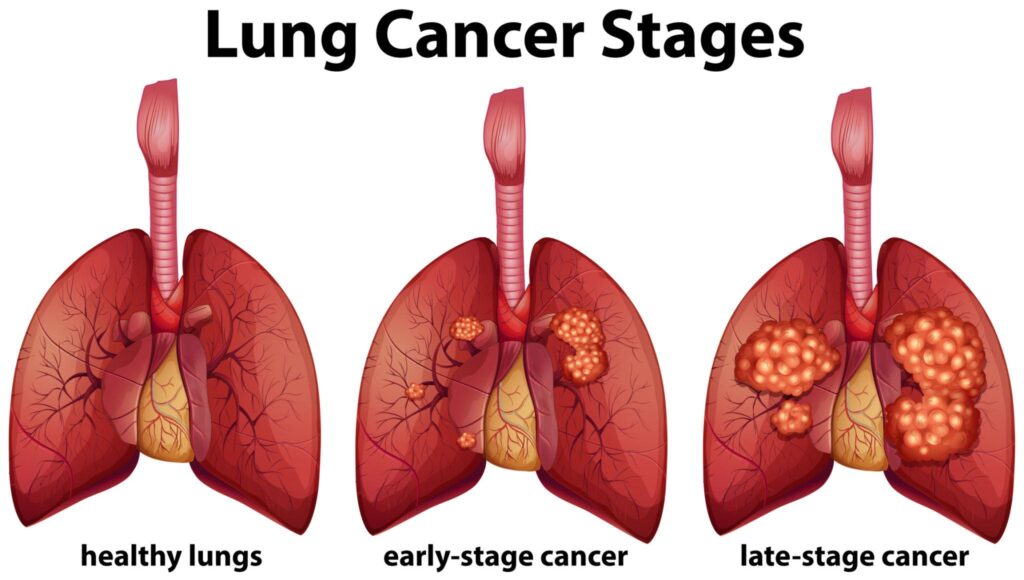
Doctors determine how advanced lung cancer is by assigning it a stage. Staging helps guide treatment decisions and gives insight into how far the cancer has spread.
How Lung Cancer Is Staged
Lung cancer is staged using the TNM system, which looks at:
- T (Tumor): Size and location of the main tumor
- N (Nodes): Whether nearby lymph nodes are involved
- M (Metastasis): Whether cancer has spread to distant organs
Stages range from Stage 0 to Stage IV (4).
Lung Cancer Stages Explained
Stage 0 (Carcinoma in Situ)
- Cancer cells are only in the lining of the lung
- No invasion into deeper tissue
- Highly treatable when detected
Stage I
- Cancer is confined to the lung
- No spread to lymph nodes
- Often treated with surgery and possibly chemotherapy
Stage II
- Cancer may have spread to nearby lymph nodes
- Tumor may be larger or invading nearby structures
- Treatment often includes surgery plus chemotherapy
Stage III
- Cancer has spread to lymph nodes in the center of the chest (mediastinum)
- May involve nearby organs or tissues
- Typically treated with a combination of chemotherapy, radiation, targeted therapy, or immunotherapy
Stage III is sometimes referred to as locally advanced lung cancer.
Stage IV (Advanced Stage Lung Cancer)
Stage IV lung cancer is considered advanced stage.
At this stage:
- Cancer has spread (metastasized) beyond the lungs
- Common sites include the brain, bones, liver, or adrenal glands
- It may involve fluid buildup around the lungs (malignant pleural effusion)
Stage IV is further divided into:
- Stage IVA: Cancer has spread within the chest or to one distant organ
- Stage IVB: Cancer has spread to multiple distant organs
While Stage IV is serious, treatment options have advanced significantly in recent years—especially with targeted therapies, immunotherapy, and precision oncology.
What Does “Advanced Stage Lung Cancer” Mean?
“Advanced stage lung cancer” usually refers to:
- Stage III (locally advanced)
- Stage IV (metastatic lung cancer)
It means the cancer has spread beyond its original location and requires comprehensive treatment rather than surgery alone.
However, advanced does not mean untreatable. Many patients live meaningful, extended lives with new treatment breakthroughs, clinical trials, and personalized medicine.
Treatment Options for Advanced Stage Lung Cancer
Treatment depends on cancer type, genetic mutations, overall health, and personal goals. Options may include:
- Targeted therapy (for specific gene mutations like EGFR, ALK, ROS1, RET, KRAS)
- Immunotherapy
- Chemotherapy
- Radiation therapy
- Clinical trials
- Palliative and supportive care
Genetic testing plays a crucial role in advanced lung cancer treatment, helping match patients with therapies designed specifically for their cancer’s biology.
Living With Advanced Lung Cancer
An advanced stage diagnosis affects more than the body—it impacts emotional health, relationships, finances, and daily life.
Patients often face:
- Travel costs for specialized care
- Access barriers to clinical trials
- Emotional strain
- Financial burdens
That’s where support becomes essential.
You Are Not Alone
At Stage4Hope, we exist to improve the lives of advanced-stage cancer patients by:
- Accelerating access to specialized treatments and clinical trials
- Funding cutting-edge precision oncology research
- Providing financial support for treatment-related travel
- Offering free virtual cancer support groups
- Hosting expert-led training and retreats
Whether you’ve just received a diagnosis or have been navigating advanced lung cancer for years, there is strength in community and hope in innovation.
Stay Connected with Stage4Hope
Learn more about advanced-stage lung cancer, treatment breakthroughs, how treatment timing may matter, and living well with Stage 4 cancer. Join our community to receive updates on research, virtual support groups, retreats, and training opportunities designed specifically for those facing late-stage diagnoses.
You don’t have to walk this journey alone.
Discover our world-class care partnerships for patients with late-diagnosis cancer.
Bear Shadow Music Festival Stage 4 Hope
Bear Shadow Music Festival Partners with Stage 4 Hope to Support Families Facing Late-Stage Cancer
Music has a powerful way of bringing people together—and this spring, that connection will mean real hope for families facing late-stage cancer.
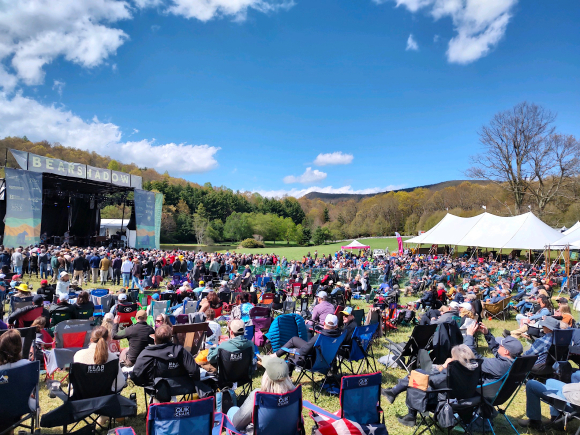
The Bear Shadow Music Festival, held May 29–31, 2026, in the heart of Highlands, has chosen Stage 4 Hope as its official charity partner. As part of this partnership, proceeds from Friday’s pre-festival benefit concert will go directly to Stage 4 Hope to help bridge the gaps patients and families face after a late-stage cancer diagnosis.
A Benefit Concert with Purpose — Friday, May 29, 2026
The festival weekend kicks off with a special Friday night benefit concert on May 29, featuring Grammy-winning headliner The Infamous Stringdusters. Every dollar raised from this concert will directly support Stage 4 Hope’s mission—providing practical resources, emotional support, and community connection to those navigating life after a late-stage cancer diagnosis.
Late-stage cancer often comes with unexpected challenges that go beyond medical treatment—financial strain, emotional isolation, caregiver burnout, and gaps in support once treatment plans are set. Stage 4 Hope exists to meet families in those moments, offering encouragement, education, retreats, and access to resources when they are needed most.
About Bear Shadow Music Festival
Now celebrating its 5th year, Bear Shadow is a three-day music festival set against the stunning backdrop of the Blue Ridge Mountains. Located at Base Camp—just five minutes from downtown Highlands—the festival blends incredible live music with immersive daytime experiences that highlight the connection between music, mind, body, and nature.
With warm spring temperatures, breathtaking mountain scenery, and a thoughtfully curated lineup of Grammy-worthy performers, Bear Shadow has become a must-attend event for music lovers seeking more than just a concert—it’s a full weekend experience designed to inspire and restore.
Why This Partnership Matters
By choosing Stage 4 Hope as its charity partner, Bear Shadow Music Festival is extending its mission beyond music—using the power of community to make a tangible difference in the lives of people facing late-stage cancer. The Friday benefit concert allows festival-goers to enjoy an unforgettable night of music while directly impacting families who need hope, connection, and support.
Learn More & Get Involved
To learn more about the Friday pre-festival benefit concert and how Bear Shadow Music Festival is supporting Stage 4 Hope, visit the official event page here:
👉 https://bearshadownc.com/stage4-hope/
To purchase your tickets for bear shadow.
Whether you’re attending for the music, the mountains, or the mission—your presence helps bring hope to families walking one of life’s hardest journeys.
To learn more about events like this, upcoming retreats, trainings, and supportive opportunities, join the Stage 4 Hope community and receive alerts about experiences and resources you may be interested in.

AI in Lung Cancer Treatment
How AI Is Improving Lung Cancer Treatment: New Tools, Real Impact
See how AI is helping guide immunotherapy decisions, combine imaging for deeper insights, and support earlier detection—bringing more personalized lung cancer care.
Three Ways AI Is Moving Lung Cancer Care Forward
1) AI that predicts immunotherapy response in advanced NSCLC (Deep-IO)
A validated deep-learning model called Deep-IO may help doctors better predict which patients with advanced non-small cell lung cancer (NSCLC) will respond to immunotherapy—using routine pathology slides from tumor biopsies. In the study discussed in a Physician’s Weekly Q&A, researchers trained the model on hundreds of thousands of image “tiles” from 958 patients (US + EU cohorts, 2014–2022). The model showed meaningful accuracy for predicting response (reported AUCs varied by cohort) and, importantly, it may help identify non-responders more specifically—potentially sparing patients ineffective treatment and side effects. The article also notes that combining Deep-IO + PD-L1 performed better than either marker alone in that validation setting.1
2) “Connecting the dots” across cancer images (Emory)
A separate Emory report highlights how AI is being used to combine different kinds of cancer images—from microscopic tissue slides to CT scans and even epigenetic data—so researchers can build a more complete picture of how a tumor behaves. In four studies (focused on head and neck cancers), one team used an AI platform called VISTA to transform standard H&E slides into “virtual IHC” to help identify tumor-associated macrophages that are otherwise difficult to see. Another approach adapted a swin transformer into a multimodal framework (called SMuRF) that helped integrate 2D pathology images with 3D radiology, supporting predictions about survival and even which patients might benefit from chemotherapy. A fourth effort linked slide images with epigenetic patterns using pathogenomic fingerprinting, aiming to improve risk assessment. Emory’s researchers also emphasize the need to be cautious and thoughtful before moving these tools fully into clinical practice.2
3) What this means for lung cancer patients right now
Together, these developments point to a near-future where AI can support:
- More personalized treatment selection (who is most likely to benefit from immunotherapy)3
- Smarter risk and prognosis tools by combining radiology + pathology + other data4
- Earlier detection and faster pathways to care, especially as imaging AI expands in real-world settings5
It’s also important to keep the balance: experts continue to flag challenges like bias and fairness, the need for diverse multi-site datasets, and careful clinical validation before widespread adoption.6
More examples of AI in cancer research and care
- NCI’s HistoTME model (NSCLC + immunotherapy): An NCI team described HistoTME, which analyzes digital pathology images to learn about the tumor microenvironment and improve prediction of immunotherapy response—supporting biomarker discovery and more personalized immunotherapy strategies.7
- AI-driven early lung cancer detection (Bristol Myers + Microsoft, Jan 20, 2026): Reuters reports a collaboration using FDA-cleared radiology AI algorithms through Microsoft’s Precision Imaging Network to help clinicians detect lung nodules earlier and expand access in underserved communities.8
- AI + breast cancer screening at scale (EDITH trial, UK): A UK government announcement describes a large NHS trial (~700,000 participants) evaluating AI to support mammogram reading and potentially reduce the need for a second specialist reader.9
- Multimodal AI for recurrence risk (AACR, Dec 10, 2025): AACR describes an AI model combining digitized pathology slides with molecular + clinical data to improve long-term recurrence risk stratification in early breast cancer.10
- AI to speed oncology drug research (AstraZeneca + Modella AI, Jan 13, 2026): Reuters reports AstraZeneca agreed to acquire Modella AI to boost quantitative pathology and biomarker discovery for oncology R&D.11
AI is a supportive tool
AI isn’t replacing oncologists—it’s becoming a powerful support tool that can help doctors see patterns humans can’t easily spot, match patients to therapies more precisely, and potentially reduce trial-and-error in treatment. If you or someone you love is living with lung cancer, it may be worth asking your care team about biomarker testing (like PD-L1), available clinical trials, and how new imaging or pathology tools are shaping treatment decisions.12
Resources for Living With Stage 4 Cancer
Whether you’re navigating treatment options, seeking emotional support, or trying to make sense of a new diagnosis, Stage 4 Hope is here for you. Become a member of our community to gain access to trusted resources, as well as online support and more.
References:
- https://www.physiciansweekly.com/post/qa-validated-ai-model-could-guide-real-world-nsclc-decisions
- https://news.emory.edu/stories/2025/06/hs_head_and_neck_16-06-2025/story.html
- https://www.physiciansweekly.com/post/qa-validated-ai-model-could-guide-real-world-nsclc-decisions
- https://news.emory.edu/stories/2025/06/hs_head_and_neck_16-06-2025/story.html
- https://www.reuters.com/business/healthcare-pharmaceuticals/bristol-myers-partners-with-microsoft-ai-driven-lung-cancer-detection-2026-01-20/
- https://www.cancer.gov/about-nci/organization/cbiit/news-events/news/2025/artificial-intelligence-ai-model-histotme-aids-predicting-response-immunotherapy
- https://www.reuters.com/business/healthcare-pharmaceuticals/bristol-myers-partners-with-microsoft-ai-driven-lung-cancer-detection-2026-01-20/
- https://www.gov.uk/government/news/world-leading-ai-trial-to-tackle-breast-cancer-launched
- https://www.aacr.org/about-the-aacr/newsroom/news-releases/a-multimodal-ai-model-may-improve-recurrence-risk-stratification-in-early-breast-cancer/
- https://www.reuters.com/business/healthcare-pharmaceuticals/bristol-myers-partners-with-microsoft-ai-driven-lung-cancer-detection-2026-01-20/
- https://www.physiciansweekly.com/post/qa-validated-ai-model-could-guide-real-world-nsclc-decisions
