

Meet Dr. Sharon May
Meet Dr. Sharon May: The Trusted Guide Behind Stage4Hope Retreats
When you’re facing a Stage 4 cancer diagnosis, who leads you matters.
Not just their kindness — but their depth, training, experience, and ability to hold space when emotions are raw and life feels uncertain. At Stage4Hope, our retreats are led by Dr. Sharon May, a therapist, educator, and nationally respected voice in emotional healing and relational care.
Dr. May doesn’t simply facilitate conversations. She brings decades of clinical expertise and human wisdom into a space designed for people navigating one of the hardest moments of their lives.
A Foundation of Clinical Excellence
Dr. May holds a Ph.D. in Marriage and Family Therapy and a Master’s degree in Theology from Fuller Graduate School of Theology, grounding her work in both evidence-based psychology and deep understanding of meaning, identity, and emotional resilience.
She is a licensed therapist and a Certified Emotionally Focused Therapy (EFT) Therapist and Supervisor, trained in one of the most research-validated therapeutic models for emotional regulation, attachment, and secure connection. EFT is widely recognized for helping people manage fear, grief, and relational disruption — all central experiences for those facing advanced cancer.
Her academic research and doctoral work focused on attachment theory and emotional bonding, exploring how people find safety, steadiness, and connection during times of crisis. This research-informed foundation shapes every retreat she leads.
Leadership, Teaching, and National Influence
Dr. May is the Founder and President of Safe Haven Relationship Center, where she has spent years developing therapeutic curriculum, training clinicians, and guiding individuals and families through trauma, loss, and major life transitions.
She also serves on the Executive Board of the American Association of Christian Counselors (AACC), reflecting her standing as a trusted leader within the counseling profession.
In addition to her clinical practice, Dr. May is an adjunct professor who has taught counseling and therapy courses, helping shape the next generation of clinicians. She is also a frequent national speaker, presenting workshops and trainings across the U.S. and internationally.
Many people may recognize her from radio and television appearances, including Focus on the Family, Family Talk, Life Today, and her own program Arguing with Dr. Sharon. She is also the author of two books on emotional connection and communication, extending her reach well beyond the therapy room.
Why This Matters for Stage4Hope Retreats
Credentials matter — but how they translate into care matters more.
Dr. May brings all of this experience into Stage4Hope retreats with a grounded, human approach. She creates spaces that feel safe, steady, and deeply respectful. Participants are never pressured to share. Silence is welcome. Listening is participation.
In retreats like Still Me, Dr. May guides participants through:
- Grounding practices that calm racing thoughts and emotional overwhelm
- Reflection and journaling that help process shock and fear
- Gentle guidance on communicating with loved ones and setting boundaries
- Group connection rooted in dignity, confidentiality, and understanding
- Identity-centered reflection that honors the person beyond the diagnosis
This is not surface-level support. It is carefully facilitated emotional care led by someone who understands both the science of healing and the humanity of suffering.
A Guide You Can Trust
People come to Stage4Hope retreats for support — and they stay because they feel seen.
Dr. Sharon May brings credibility, calm, and compassion into every retreat she leads. Her presence reassures participants that they are in capable hands — guided by someone who understands trauma, connection, fear, hope, and the complexity of being human in the face of cancer.
That trust is everything.
If you are seeking a retreat led by a therapist with true depth, experience, and heart, you will find it here.
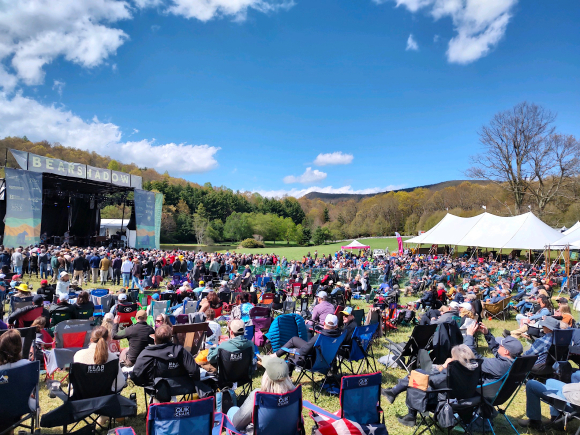
Bear Shadow Music Festival Stage 4 Hope
Bear Shadow Music Festival Partners with Stage 4 Hope to Support Families Facing Late-Stage Cancer
Music has a powerful way of bringing people together—and this spring, that connection will mean real hope for families facing late-stage cancer.
The Bear Shadow Music Festival, held May 29–31, 2026, in the heart of Highlands, has chosen Stage 4 Hope as its official charity partner. As part of this partnership, proceeds from Friday’s pre-festival benefit concert will go directly to Stage 4 Hope to help bridge the gaps patients and families face after a late-stage cancer diagnosis.
A Benefit Concert with Purpose — Friday, May 29, 2026
The festival weekend kicks off with a special Friday night benefit concert on May 29, featuring Grammy-winning headliner The Infamous Stringdusters. Every dollar raised from this concert will directly support Stage 4 Hope’s mission—providing practical resources, emotional support, and community connection to those navigating life after a late-stage cancer diagnosis.
Late-stage cancer often comes with unexpected challenges that go beyond medical treatment—financial strain, emotional isolation, caregiver burnout, and gaps in support once treatment plans are set. Stage 4 Hope exists to meet families in those moments, offering encouragement, education, retreats, and access to resources when they are needed most.
About Bear Shadow Music Festival
Now celebrating its 5th year, Bear Shadow is a three-day music festival set against the stunning backdrop of the Blue Ridge Mountains. Located at Base Camp—just five minutes from downtown Highlands—the festival blends incredible live music with immersive daytime experiences that highlight the connection between music, mind, body, and nature.
With warm spring temperatures, breathtaking mountain scenery, and a thoughtfully curated lineup of Grammy-worthy performers, Bear Shadow has become a must-attend event for music lovers seeking more than just a concert—it’s a full weekend experience designed to inspire and restore.
Why This Partnership Matters
By choosing Stage 4 Hope as its charity partner, Bear Shadow Music Festival is extending its mission beyond music—using the power of community to make a tangible difference in the lives of people facing late-stage cancer. The Friday benefit concert allows festival-goers to enjoy an unforgettable night of music while directly impacting families who need hope, connection, and support.
Learn More & Get Involved
To learn more about the Friday pre-festival benefit concert and how Bear Shadow Music Festival is supporting Stage 4 Hope, visit the official event page here:
👉 https://bearshadownc.com/stage4-hope/
To purchase your tickets for bear shadow.
Whether you’re attending for the music, the mountains, or the mission—your presence helps bring hope to families walking one of life’s hardest journeys.
To learn more about events like this, upcoming retreats, trainings, and supportive opportunities, join the Stage 4 Hope community and receive alerts about experiences and resources you may be interested in.

How 2025 Changed Cancer Care
Real Progress for Advanced Cancer Patients
For people living with advanced or hard-to-treat cancer, progress is not just about science — it’s about more time, fewer side effects, and better quality of life. In 2025, doctors and researchers reported major treatment advances that are already changing how cancer is treated today. These developments are especially meaningful for patients with stage 4 cancer who may feel they are running out of options.
Many of these breakthroughs were led or supported by research teams at Memorial Sloan Kettering Cancer Center, and they reflect a growing shift toward personalized, less invasive, and more effective cancer care.
Below is what patients need to know — without the medical jargon.
Immunotherapy Alone Is Treating Some Cancers Successfully
One of the most hopeful advances of 2025 involves cancers with a genetic feature called mismatch repair deficiency (MMRd). This feature makes cancer cells easier for the immune system to recognize and destroy.
In a large clinical trial, nearly 80% of patients with MMRd cancers — including colorectal, stomach, esophageal, bladder, and other cancers — were successfully treated using immunotherapy alone. Many patients did not need surgery, chemotherapy, or radiation.
For patients, this matters deeply. Avoiding major surgery or harsh treatments can preserve organs, reduce long-term side effects, and protect quality of life. For people with advanced cancer, it also shows that less treatment can sometimes be more effective.
New Targeted Therapies Bring Hope for Lung Cancer
For people with non-small cell lung cancer, treatment options can become limited once chemotherapy or immunotherapy stop working. In 2025, researchers reported promising results from a new targeted therapy aimed at a mutation called KRAS-G12D — a mutation that until recently had no effective treatment.
In an early clinical trial, more than 60% of patients saw their tumors shrink, even though many had already tried multiple treatments without success. This is especially important for patients searching for new targeted therapy for lung cancer after being told there are no remaining options.
This breakthrough reinforces the importance of genetic testing, even later in the disease, because new drugs continue to emerge for specific cancer mutations.
Breast Cancer Patients Are Living Longer With New Combinations
Patients with advanced breast cancer also saw meaningful progress in 2025. A large clinical trial found that combining a new targeted therapy with standard hormone treatments helped patients live about 26% longer than with standard treatment alone.
This matters because many people with metastatic breast cancer stay on treatment for years. Extending survival while maintaining daily function and independence is a major win — and another reminder that treatment plans can evolve over time.
Blood Tests Help Prevent Cancer From Returning
Another important advance involves simple blood tests, often called liquid biopsies, that can detect tiny traces of cancer left behind after surgery.
In a small study, doctors used these blood tests to identify patients who were most likely to benefit from immunotherapy after surgery. Patients who received immunotherapy based on their blood test results had strong survival rates and lower chances of recurrence.
For patients living with the fear of cancer coming back, this approach represents a more personalized and proactive strategy — treating only when needed, and earlier than before.
Progress for Rare and Overlooked Cancers
Not all breakthroughs focus on common cancers. In 2025, several advances targeted rare and aggressive diseases that historically have had few options:
-
CAR T-cell therapy showed dramatic results for patients with AL amyloidosis who had stopped responding to standard treatments
-
A new targeted drug helped shrink tumors in patients with histiocytosis, a rare blood cancer affecting both adults and children
-
Children with an aggressive brain cancer lived far longer than expected using a new drug delivery method
For families facing rare diagnoses, these advances send a powerful message: research is not standing still.
Why This Matters for Stage 4 Patients
If you are living with stage 4 cancer, the message from 2025 is clear:
New options continue to emerge — even after standard treatments fail.
Across many cancer types, these advances mean:
-
More targeted therapies with fewer side effects
-
Immunotherapy replacing or delaying invasive treatments
-
Blood tests guiding smarter decisions
-
Clinical trials offering real benefit, not just future promise
At Stage4Hope, we encourage patients and caregivers to ask about genetic testing, clinical trials, and new treatment strategies, especially when options feel limited. Knowledge can open doors — and hope often begins with asking one more question. (Source: Memorial Sloan Kettering)
Read the complete article here >
You’re Not Alone—Connect with the Stage 4 Hope Community
Whether you’re exploring the latest cancer treatment advances like immunotherapy or targeted therapy, seeking emotional support, or trying to make sense of a new diagnosis, Stage 4 Hope is here for you. Join our community to access trusted resources, education, and encouragement from others who understand the stage 4 journey.
Read our blog about the New KRAS-G12D Lung Cancer Therapy Hope.

BLOCK-ID cancer research
BLOCK-ID: New Technique Finds Treatment Targets in Hard-to-Treat Cancers
When cancer is difficult to control, it’s often because the cancer cells have learned how to survive under intense stress. Even when their DNA is damaged or unstable — a situation that would normally cause a healthy cell to stop dividing or die — these cancer cells find ways to keep going.
This ability to survive under pressure is one reason some cancers become aggressive, resistant to treatment, or quick to return after therapy. Understanding how cancer cells manage this stress is a major focus of modern cancer research.
Researchers at Winship Cancer Institute of Emory University have now developed a powerful new research tool that helps explain how certain cancers adapt and survive under these extreme conditions. While this discovery is not a treatment yet, it offers important clues that may eventually lead to new targeted therapies for cancers that currently have limited options.
Why DNA copying matters in cancer
Every time a cell divides, it must make an exact copy of its DNA. In healthy cells, this process is carefully regulated to prevent mistakes. But in cancer cells, DNA copying often becomes chaotic.
DNA is copied at structures called replication forks, which are Y-shaped points where the DNA strands separate so new copies can be made. In many cancers, these replication forks frequently slow down, stall, or collapse. When this happens repeatedly, it creates DNA replication stress.
Replication stress is a double-edged sword. On one hand, it causes DNA damage and genetic instability — changes that can drive cancer growth and spread. On the other hand, cancer cells that learn how to survive replication stress gain a powerful advantage, allowing them to adapt, resist treatments, and continue dividing despite severe internal damage.
Many aggressive cancers exist in a constant state of replication stress. Understanding how they tolerate this stress — and which proteins help them survive it — is critical for finding new ways to disrupt cancer growth.
What is BLOCK-ID?
To better understand what happens when DNA is under stress or damage, researchers developed a new laboratory technique called BLOCK-ID, an Emory technique (short for biotinylation of lac operator array replication stress protein network identification).
In simpler terms, BLOCK-ID allows scientists to:
- Create stress in a cancer cell’s DNA on purpose.
- They then watch how cancer cells respond to that stress.
- This helps researchers see which proteins cancer cells use to survive.
This Emory technique solves a long-standing challenge in cancer research. Until now, it has been extremely difficult to identify which proteins are involved at replication forks during stress. BLOCK-ID provides a detailed and precise way to map the protein networks cancer cells rely on to survive.
A key discovery: TRIM24 and other proteins
Using BLOCK-ID, researchers identified multiple proteins that appear at stressed replication forks. One protein, called TRIM24, stood out as particularly important.
The team then applied this discovery to a specific cancer survival mechanism known as Alternative Lengthening of Telomeres (ALT).
Telomeres are protective caps at the ends of chromosomes. In normal cells, telomeres shorten each time a cell divides, which eventually limits how long a cell can continue reproducing. Cancer cells must overcome this limit to survive.
Some cancers — estimated at 10–15% — use the ALT pathway to maintain their telomeres without relying on the more common enzyme-based method. ALT is often seen in aggressive or difficult-to-treat cancers, including:
- Osteosarcoma
- Glioblastoma
- Pancreatic neuroendocrine tumors
The research showed that TRIM24 helps cancer cells protect their chromosome ends so they can keep dividing.
Why this is hopeful: four potential treatment targets
In addition to TRIM24, the researchers identified three other proteins involved in the ALT pathway. Together, these findings highlight four potential treatment targets in ALT-driven cancers.
Identifying targets is one of the most important early steps in cancer drug development. While it can take time to move from discovery to therapy, knowing which proteins are essential to cancer survival gives researchers a clearer path forward.
The next phase of research will focus on determining whether these targets can be safely disrupted — and whether doing so can slow or stop cancer growth.
What this could mean for patients
BLOCK-ID is not a new treatment, but it represents meaningful progress in understanding cancer biology. Research like this helps explain why some cancers behave aggressively and why they may stop responding to standard treatments.
For patients living with advanced or hard-to-treat cancers, this work supports a growing shift toward precision oncology — matching treatment strategies to the specific biological features of a tumor. Discoveries like this strengthen the importance of:
- Testing the cancer to learn what makes it grow
- Understanding how the cancer survives
- Looking into clinical trials when needed
As researchers uncover new weaknesses in cancer cells, new treatment options may become possible, even for patients who have been told there are few options left.
You’re Not Alone—Connect with the Stage 4 Hope Community
Whether you’re navigating treatment options, looking for emotional support, or trying to keep up with promising research, Stage 4 Hope is here for you. Join our community to stay connected to trusted resources, new updates, online training, and encouragement from others who understand this journey.
Learn about a new breakthrough: Cancer vaccines offer new hope.
References:
https://winshipcancer.emory.edu/newsroom/articles/2025/new-technique-identifies-potential-new-treatment-targets.php?
https://pubmed.ncbi.nlm.nih.gov/40614724/

Theranostics for Cancer
Theranostics: A Powerful Diagnostic Tool and Cancer Treatment in One
Radiation therapy has been used to fight cancer for more than a century. But when cancer has spread to multiple areas of the body, traditional radiation can be limited—because it’s usually aimed at one location at a time and can affect healthy tissue nearby. Memorial Sloan Kettering (MSK) highlights a newer approach that is changing what’s possible for advanced and metastatic cancers: theranostics.
What Is Theranostics?
Theranostics combines the words therapy and diagnostics. It’s a treatment strategy that uses radioactive medicines to first find cancer cells and then treat them—using the same target. MSK’s theranostics motto captures the concept simply: “We see what we treat, and we treat what we see.”
How Theranostics Works
Theranostics typically happens in two steps:
- Find the cancer (“see it”)
Doctors infuse a patient with a radioactive drug containing a diagnostic isotope that binds to a specific target on cancer cells. Then a PET scan “lights up” where the drug has attached, revealing cancer sites that may be hard to see on standard imaging. - Treat the cancer (“treat it”)
If the target is confirmed, doctors give a treatment version of the same approach—this time loaded with a therapeutic isotope. The radiation works like a highly precise “smart bomb,” damaging cancer cell DNA while helping protect surrounding healthy tissue.
Why Theranostics Is Such a Big Deal
MSK notes several practical advantages of theranostics, especially for cancers that have spread:
- It can reveal the exact location of cancer cells that might be missed on conventional scans.
- It can help doctors evaluate whether treatment is working sooner.
- It can help clinical trials move more efficiently from imaging to treatment phases.
- It can treat multiple sites of disease throughout the body, not just one spot at a time.
- Even when it isn’t a cure, theranostics can be meaningful because it may offer effective control with good tolerability—supporting quality of life and daily living for many patients.
A Real Example: Theranostics for Metastatic Prostate Cancer (Pluvicto)
MSK shares the story of a patient with metastatic (stage 4) prostate cancer who joined a clinical trial using lutetium-177 PSMA-targeted therapy (Pluvicto). The treatment targets PSMA, a protein on prostate cancer cells, delivering radiation directly to those cells.
MSK also notes that the FDA approval expanded in 2025 to include more patients—specifically, people who had not yet received chemotherapy, increasing who may be eligible for this type of treatment.
Theranostics Beyond Prostate Cancer
Theranostics is also being developed for other cancers. MSK describes ongoing work to identify new targets, including efforts in neuroendocrine cancers and research into targets like DLL3. MSK researchers are also working toward theranostics applications in cancers such as breast cancer, brain tumors, melanoma, and pancreatic cancer.
What’s Next: A More Powerful Next Wave (Alpha Particles)
MSK highlights a “next wave” of theranostics using alpha-emitting radiopharmaceuticals—described as the most powerful form yet—and notes they opened a facility dedicated to producing these agents for clinical trials.
Questions to Ask Your Care Team
If you or a loved one is living with advanced cancer, you might consider asking:
- Do I have a target (biomarker) that could make me eligible for theranostics?
- Would a PET scan help identify targets or sites of disease more clearly?
- Are there clinical trials involving targeted radionuclide therapy that fit my diagnosis?
- What side effects are typical, and how might this compare to other options?
(This is informational only—your oncology team can help you understand what’s appropriate for your specific diagnosis.)
You’re Not Alone—Connect with the Stage 4 Hope Community
Whether you’re exploring treatment options, seeking emotional support, or trying to make sense of a new diagnosis, Stage 4 Hope is here for you. Join our community to access trusted resources, education, and encouragement from others who understand the stage 4 journey.
Reference:
https://www.mskcc.org/news/theranostics-powerful-diagnostic-tool-and-cancer-treatment-in-one

MSK vs MD Anderson: Choosing the Best Cancer Center for You
Comparing MSK vs MD Anderson Using the 2025–2026 Rankings for Advanced Cancer Care
When facing an advanced or complex cancer diagnosis, patients and families are often told they need care at a top cancer center — but that advice can feel overwhelming without clear guidance. Two names that consistently rise to the top are Memorial Sloan Kettering Cancer Center (MSK) in New York City and MD Anderson Cancer Center (MD Anderson) in Houston, Texas. Both are widely recognized as leaders in advanced cancer treatment options, research, and cancer clinical trials, especially when standard treatments are no longer enough.
According to the 2025–2026 U.S. News & World Report, MD Anderson and MSK are ranked as the top two cancer hospitals in the United States, with MD Anderson at #1 and MSK at #2. On a global level, Newsweek’s World’s Best Specialized Oncology Hospitals list also places MD Anderson first and MSK second worldwide. For patients considering where to seek care or a second opinion at a top cancer center, these rankings reinforce the strength and credibility of both institutions.
While MSK and MD Anderson share the same level of excellence, they each bring distinct strengths. Understanding those differences can help patients and caregivers decide which center may be the best fit for their specific cancer and treatment goals.
MSK: Precision Oncology and Targeted Trials
MSK is especially known for its leadership in precision oncology, an approach that tailors treatment based on the specific genetic changes driving a patient’s cancer. Rather than relying on a one-size-fits-all strategy, MSK places strong emphasis on detailed molecular testing to guide care.
This focus makes MSK a strong option for patients seeking the best cancer center for clinical trials that are highly targeted or mutation-driven. MSK runs one of the largest early-phase (Phase I) clinical trials programs in the country, including first-in-human studies that may offer new options for patients whose cancer has resisted multiple treatments.
In addition, MSK researchers have played a key role in developing immunotherapy for cancer and targeted drugs that are now widely used in oncology care, helping translate scientific discoveries into real treatment options more quickly.
MD Anderson: Broad Expertise and Immunotherapy Leadership
MD Anderson’s strength lies in its size, scope, and multidisciplinary depth. As one of the world’s largest cancer centers, it offers specialized teams across nearly every cancer type, allowing for highly coordinated care.
The center is a recognized leader in immunotherapy for cancer, including combination immunotherapy strategies and immune-based treatments. MD Anderson continues to help refine how these therapies are used — improving effectiveness, managing side effects, and expanding which patients may benefit.
MD Anderson also offers the largest total number of cancer clinical trials in the United States, giving patients access to a wide range of research studies across many treatment approaches, including immunotherapy, cellular therapy, surgery, and combination care.
Clinical Trials: Depth vs. Volume
Both centers offer exceptional access to clinical trials, but their focus differs:
-
MSK excels in early-phase, precision-driven trials tied to tumor genetics
-
MD Anderson offers broad trial volume across many cancer types and treatment strategies
The right choice often depends on whether a patient’s cancer is driven by a specific mutation or whether they need access to a wide range of treatment options.
Patient Experience and Access
Care experience can also differ between the two centers:
-
MSK is a more compact, integrated system, often allowing for faster molecular testing and targeted trial matching
-
MD Anderson is a very large institution with extensive resources, which can be ideal for complex cases but may involve longer wait times
Neither approach is better overall — the best fit depends on the patient’s diagnosis, urgency, and treatment needs.
Patient Summary: Which Center May Be Right for You?
MSK may be a strong fit if your cancer:
-
Is driven by a rare or complex genetic mutation
-
Has stopped responding to multiple treatments
-
May benefit from precision oncology or early-phase trials
-
Requires rapid molecular-based trial matching
MD Anderson may be a strong fit if your cancer:
-
May respond to immunotherapy or cellular therapy
-
Requires complex, multidisciplinary care
-
Involves high tumor burden or complex anatomy
-
Needs access to a wide range of cancer clinical trials
Bottom Line
Both MSK and MD Anderson are among the world’s leading cancer centers, each offering exceptional care and access to breakthrough clinical trials. The most important question is not which center is best, but which center is the best fit for this cancer, this biology, and this moment.
You’re Not Alone—Connect with the Stage 4 Hope Community
Stage4Hope helps patients and families navigate this decision — guiding them to the right cancer center, the right clinical trial options, and the right next steps without delay, especially when time matters most. We are here for you! Join our community to access trusted resources, education, and encouragement from others who understand the stage 4 journey.
Just diagnosed with stage 4 cancer? What to do first.
Reference:
1. https://health.usnews.com/best-hospitals/rankings/cancer
2. https://www.newsweek.com/rankings/worlds-best-specialized-hospitals-2025/oncology
3.https://www.mskcc.org/cancer-care/clinical-trials
https://www.mskcc.org/cancer-care/diagnosis-treatment/cancer-treatments/targeted-therapy
4.https://www.mdanderson.org/patients-family/diagnosis-treatment.html
https://www.mdanderson.org/treatment-options/immunotherapy.html

AI in Lung Cancer Treatment
How AI Is Improving Lung Cancer Treatment: New Tools, Real Impact
See how AI is helping guide immunotherapy decisions, combine imaging for deeper insights, and support earlier detection—bringing more personalized lung cancer care.
Three Ways AI Is Moving Lung Cancer Care Forward
1) AI that predicts immunotherapy response in advanced NSCLC (Deep-IO)
A validated deep-learning model called Deep-IO may help doctors better predict which patients with advanced non-small cell lung cancer (NSCLC) will respond to immunotherapy—using routine pathology slides from tumor biopsies. In the study discussed in a Physician’s Weekly Q&A, researchers trained the model on hundreds of thousands of image “tiles” from 958 patients (US + EU cohorts, 2014–2022). The model showed meaningful accuracy for predicting response (reported AUCs varied by cohort) and, importantly, it may help identify non-responders more specifically—potentially sparing patients ineffective treatment and side effects. The article also notes that combining Deep-IO + PD-L1 performed better than either marker alone in that validation setting.1
2) “Connecting the dots” across cancer images (Emory)
A separate Emory report highlights how AI is being used to combine different kinds of cancer images—from microscopic tissue slides to CT scans and even epigenetic data—so researchers can build a more complete picture of how a tumor behaves. In four studies (focused on head and neck cancers), one team used an AI platform called VISTA to transform standard H&E slides into “virtual IHC” to help identify tumor-associated macrophages that are otherwise difficult to see. Another approach adapted a swin transformer into a multimodal framework (called SMuRF) that helped integrate 2D pathology images with 3D radiology, supporting predictions about survival and even which patients might benefit from chemotherapy. A fourth effort linked slide images with epigenetic patterns using pathogenomic fingerprinting, aiming to improve risk assessment. Emory’s researchers also emphasize the need to be cautious and thoughtful before moving these tools fully into clinical practice.2
3) What this means for lung cancer patients right now
Together, these developments point to a near-future where AI can support:
- More personalized treatment selection (who is most likely to benefit from immunotherapy)3
- Smarter risk and prognosis tools by combining radiology + pathology + other data4
- Earlier detection and faster pathways to care, especially as imaging AI expands in real-world settings5
It’s also important to keep the balance: experts continue to flag challenges like bias and fairness, the need for diverse multi-site datasets, and careful clinical validation before widespread adoption.6
More examples of AI in cancer research and care
- NCI’s HistoTME model (NSCLC + immunotherapy): An NCI team described HistoTME, which analyzes digital pathology images to learn about the tumor microenvironment and improve prediction of immunotherapy response—supporting biomarker discovery and more personalized immunotherapy strategies.7
- AI-driven early lung cancer detection (Bristol Myers + Microsoft, Jan 20, 2026): Reuters reports a collaboration using FDA-cleared radiology AI algorithms through Microsoft’s Precision Imaging Network to help clinicians detect lung nodules earlier and expand access in underserved communities.8
- AI + breast cancer screening at scale (EDITH trial, UK): A UK government announcement describes a large NHS trial (~700,000 participants) evaluating AI to support mammogram reading and potentially reduce the need for a second specialist reader.9
- Multimodal AI for recurrence risk (AACR, Dec 10, 2025): AACR describes an AI model combining digitized pathology slides with molecular + clinical data to improve long-term recurrence risk stratification in early breast cancer.10
- AI to speed oncology drug research (AstraZeneca + Modella AI, Jan 13, 2026): Reuters reports AstraZeneca agreed to acquire Modella AI to boost quantitative pathology and biomarker discovery for oncology R&D.11
AI is a supportive tool
AI isn’t replacing oncologists—it’s becoming a powerful support tool that can help doctors see patterns humans can’t easily spot, match patients to therapies more precisely, and potentially reduce trial-and-error in treatment. If you or someone you love is living with lung cancer, it may be worth asking your care team about biomarker testing (like PD-L1), available clinical trials, and how new imaging or pathology tools are shaping treatment decisions.12
Resources for Living With Stage 4 Cancer
Whether you’re navigating treatment options, seeking emotional support, or trying to make sense of a new diagnosis, Stage 4 Hope is here for you. Become a member of our community to gain access to trusted resources, as well as online support and more.
References:
- https://www.physiciansweekly.com/post/qa-validated-ai-model-could-guide-real-world-nsclc-decisions
- https://news.emory.edu/stories/2025/06/hs_head_and_neck_16-06-2025/story.html
- https://www.physiciansweekly.com/post/qa-validated-ai-model-could-guide-real-world-nsclc-decisions
- https://news.emory.edu/stories/2025/06/hs_head_and_neck_16-06-2025/story.html
- https://www.reuters.com/business/healthcare-pharmaceuticals/bristol-myers-partners-with-microsoft-ai-driven-lung-cancer-detection-2026-01-20/
- https://www.cancer.gov/about-nci/organization/cbiit/news-events/news/2025/artificial-intelligence-ai-model-histotme-aids-predicting-response-immunotherapy
- https://www.reuters.com/business/healthcare-pharmaceuticals/bristol-myers-partners-with-microsoft-ai-driven-lung-cancer-detection-2026-01-20/
- https://www.gov.uk/government/news/world-leading-ai-trial-to-tackle-breast-cancer-launched
- https://www.aacr.org/about-the-aacr/newsroom/news-releases/a-multimodal-ai-model-may-improve-recurrence-risk-stratification-in-early-breast-cancer/
- https://www.reuters.com/business/healthcare-pharmaceuticals/bristol-myers-partners-with-microsoft-ai-driven-lung-cancer-detection-2026-01-20/
- https://www.physiciansweekly.com/post/qa-validated-ai-model-could-guide-real-world-nsclc-decisions

New Year, New Me: Self-Care with Late-Stage Cancer
New Year Self-Care When You Have Late-Stage Cancer
Reimagining resolutions through self-care, compassion, and community
The start of a new year often brings fresh energy, intentions, and the age-old question: “Am I going to make a New Year’s resolution?” For many people, this means goals around fitness, diet, or productivity. But when you’re living with late-stage cancer, your priorities — and your needs — can look very different.
Instead of “fixing” yourself, this year’s resolution can be about nurturing you — your body, your heart, and your spirit — in ways that honor your reality.
Reframing Resolutions: What Self-Care Really Means
Traditional New Year’s resolutions often focus on change — do more, do better, be stronger. But for someone navigating advanced cancer, self-care isn’t about pressure or performance. It’s about sustaining well-being in the midst of challenge.
Self-care can look like:
- Prioritizing rest and emotional renewal — sleep, gentle rhythm, space to breathe. MD Anderson Cancer Center
- Finding moments of joy and calm each day, even if they’re short. Reading a favorite book, sitting in sunlight, or simply being present with a good cup of tea. Cancer Today
- Mindful practices, like meditation, yoga, journaling, or intentional reflection — activities shown to help people living with serious illness manage stress and cultivate peace. UT Health San Antonio Cancer Center
- Engaging with community and support — connection is healing. Knowing you’re not alone matters more than you might realize. Stage4Hope
These aren’t “goals” in the traditional sense. They’re intentions of care — grounded in compassion and attuned to your strength and limitations.
Self-Care in Action: How Stage4Hope Can Support You
If self-care is about connection, renewal, and strength, then you don’t have to walk it alone. That’s where Stage4Hope’s Retreats & Training programs come in.
Our retreats — offered both virtually and in person — are designed precisely to support people living with advanced cancer through reflection, community, and emotional nourishment.
💛 Strength for the Journey — Virtual (monthly)
A 90-minute, therapist-led retreat that invites you to pause, reflect, and find support with others walking similar paths. It’s free, and all you need is your willingness to show up for yourself.
💛 Strength for the Journey — In-Person (weekend retreats)
Held in peaceful settings, these immersive weekends offer deeper time for rest, connection, and guided healing. These spaces are about renewing your spirit, not fixing your outcome.
💛 Still Me — Virtual for the Newly Diagnosed
If you’re newly navigating a late-stage diagnosis, this space gives you compassionate tools for steadiness and emotional grounding.
💛 Training for Caregivers and Professionals
Support isn’t just for patients — caregivers need strength too. Our retreats help those who care without losing themselves.
👉 Learn more or register for upcoming retreats and trainings.
A Gentle Resolution for the New Year
Instead of measuring success by what you accomplish, imagine this resolution: “I will tend to myself with kindness.”
Whether that means a quiet morning with sunlight on your face, joining a supportive community online, or simply allowing yourself to rest — that’s worthy of celebration. Self-care isn’t side-lined work — it’s foundational to your strength through this journey.
This year, let your resolution be presence over pressure, renewal over achievement, and compassion over rules. You don’t have to do it all—you just have to honor yourself in every day you’re given. Learn more about navigating the holidays with cancer and how to be yourself at Christmas gatherings.
Prioritize Yourself This Year — You’re Worth It
Self-care isn’t selfish, especially when you’re living with late-stage cancer. Whether you’re seeking rest, reflection, or meaningful connection, Stage 4 Hope is here for you. Learn more about topics like New Year self-care with late-stage cancer by joining our community. Connect with others who understand your experience and gain access to trusted resources, upcoming events, medical updates, and invitations to supportive virtual gatherings.

Christmas with Late-Stage Cancer
A Special Message for Finding Hope & Encouragement this Holiday Season
Find hope and peace this Christmas while living with late-stage cancer. Watch a gentle message of faith, encouragement, and strength for the season. In this Christmas message, Sharon May, Ph.D., Founder of Safe Haven Relationship Center and Board Member, offers a quiet moment of hope and encouragement for anyone walking through cancer.
In a season that can feel heavy, we invite you to pause for a few minutes of faith, peace, and gentle strength—reminding you that you are not alone and that hope is still being born in your story.
Stage4Hope provides emotional support, restorative cancer retreats, and access to life-saving care for patients across the country.
- Learn more and register for upcoming Strength Through the Journey virtual retreats.
- Read our related blog posts about navigating the holidays and self-care in the new year.
You’re Not Alone—Connect with the Stage 4 Hope Community
Whether you’re navigating treatment options, seeking emotional support, or trying to make sense of a new diagnosis, Christmas with late-stage cancer is not something you have to face alone. Stage 4 Hope is here for you. Join our community to connect with others who understand your experience and gain access to resources, events, medical updates, and invitations to supportive virtual events.

Navigating the Holidays With Stage 4 Cancer
Navigating the Holidays With Stage 4 Cancer – Finding Peace & Hope
The holiday season is often described as joyful, busy, bright, and full of celebrations. But for those living with stage 4 cancer, this time of year can feel very different. Between medical appointments, treatment side effects, emotional fatigue, and the pressure to “be cheerful,” the holidays may bring a mix of hope, sadness, gratitude, and uncertainty.
If you’re navigating this season while managing stage 4 cancer, or supporting someone who is, here are a few gentle reminders and practical ways to make space for what matters most.
1. Give Yourself Permission to Feel What You Feel
The holidays can intensify emotions. You may feel joy, grief, gratitude, fear, or even all of them in the same day. This is normal.
You do not need to force holiday cheer or pretend that everything is fine. Allow yourself to feel what arises—without judgment. Your emotional experience is valid, and honoring it is an important part of caring for yourself.
2. Set Realistic Expectations
Traditions may look different this year, and that’s okay.
You don’t have to host large gatherings, attend every event, or keep up with holiday tasks if they leave you exhausted. Simplifying plans can actually create more meaningful moments with the people who matter most.
Consider options such as:
- Smaller or shorter gatherings
- Delegating holiday cooking or decorating
- Choosing experiences over expectations
- Letting loved ones know your limits ahead of time
Your energy is precious. Protect it gently.
3. Create New Traditions That Bring Comfort
If old traditions feel overwhelming or bittersweet, it may help to introduce new ones that honor where you are now.
Some ideas include:
- A quiet Christmas morning walk
- Lighting a candle for peace or remembrance
- Watching a favorite holiday movie
- Writing gratitude notes
- Sharing simple moments with family at home
New traditions are not a replacement for old ones—they’re an invitation to be present in the season as it is.
4. Let People Help You (Even If It Feels Hard)
The people who love you want to support you. Allowing them to help—with meals, errands, decorating, or simply keeping you company—can bring comfort to both sides.
If you’re not sure what to ask for, consider saying:
“I don’t know what I need right now, but I could use company.”
“Could you help with ___ this week?”
“I’d love it if you could check in by text every few days.”
Community matters, especially during the holidays.
5. Make Space for Rest and Reflection
The holidays can move fast, even when your body needs to move slowly. Make room for rest, stillness, and moments that bring you grounding.
You may find encouragement in:
- Gentle breathing
- Prayer or meditation
- Listening to peaceful holiday music
- Journaling your hopes for the season
These simple practices can help bring peace in a season that often feels rushed.
A Gentle Space for Hope This Holiday Season
If you’re looking for a supportive place to pause, breathe, and find meaning this Christmas season, we invite you to join us for our upcoming virtual retreat:
Strength for the Journey — Free Virtual Event
December 5, 2025 | 12–1:30 PM EST
Led by:
- Dr. Sharon May, Ph.D., LMFT — internationally recognized therapist & author
- Dr. Sylvia Fredj, MCC, NBC-HWC — nationally board-certified health & wellness coach
This month’s theme, “Merry Christmas,” offers compassionate space for those walking through stage 4 cancer. Together, we will reflect, connect, and rediscover joy during a season often overshadowed by treatment, appointments, and uncertainty.
You do not have to carry the holidays alone. Learn more about our upcoming virtual support.
6. Hold Onto Hope—Even in Small Moments
Hope doesn’t always look big or loud. Sometimes it looks like:
- A quiet morning without pain
- Laughter with someone you love
- A warm blanket and a favorite book
- Light catching the edge of a Christmas ornament
These small moments matter. They can be reminders that beauty and meaning are still present, even in difficult seasons.
You Are Not Alone This Holiday Season
Navigating the holidays with stage 4 cancer is complex, emotional, and deeply personal. Whether this season brings joy, heaviness, or a mix of both, know that your feelings matter and your journey is honored.
If you need connection, encouragement, or a compassionate community, we welcome you to join us at Strength for the Journey on December 5.

Given 2 Years, Living 13 Strong
Living 13 Years Strong: Debbie’s Stage 4 Lung Cancer Journey of Hope and Persistence
Debbie was given two years after a stage 4 lung cancer diagnosis. Thirteen years later, she’s thriving—proof that hope and targeted therapy can change lives on a stage 4 lung cancer journey.
When Debbie was first diagnosed with stage 4 lung cancer, doctors told her she might only have one to two years left. Like many patients, she felt overwhelmed and afraid. But instead of giving up, she sought a second opinion and learned that her cancer carried the BRAF mutation. This discovery opened the door to targeted therapy through a clinical trial—something that gave her options beyond traditional chemotherapy and radiation.
Over the last 13 years, Debbie has faced many treatments, side effects, and setbacks, but also many breaks from therapy where she could live life more fully. She has outlived the predictions and now encourages other patients to stay hopeful, ask questions, and keep pushing for answers. Debbie’s story shows how advances in biomarker testing and targeted therapy can turn what once felt like an “end date” into years filled with milestones and new memories.
Her journey reminds us that no one is defined by statistics. For patients with advanced lung cancer, Debbie is living proof that hope, persistence, and medical progress can lead to more time and better quality of life. (Source: GO2 for Lung Cancer)
Read the complete article here >
You’re Not Alone—Connect with the Stage 4 Hope Community
Whether you’re navigating treatment options, seeking emotional support, or trying to make sense of a new diagnosis, Stage 4 Hope is here for you. Learn more about stage 4 lung cancer and other aspects of living with late-stage cancer. Join our community to connect with others who understand your experience and gain access to resources, events, medical updates, and invitations to supportive virtual events.

Safer Cancer Drug Dosing Ahead
Safer Cancer Drug Dosing: ASCO and FDA Push for Optimal, Not Maximum, Doses
ASCO and the FDA promote safer cancer drug dosing by focusing on optimal cancer drug dosing—finding the optimal effective dose to reduce side effects and improve treatment tolerance. Learn more in this article about optimal cancer drug dosing.
Concerns are growing that cancer drugs may be given at higher doses than patients actually need, leading to unnecessary side effects and treatment interruptions. The American Society of Clinical Oncology (ASCO), working with the FDA, has issued new principles urging a shift from the old “maximum tolerated dose” approach toward finding the “optimal effective dose.” This matters for newer treatments like immunotherapies and targeted therapies, where higher doses don’t always improve results but often increase harmful side effects. Patient surveys show many people with advanced cancers struggle with severe treatment side effects, and oncologists frequently lower doses early on to help patients stay on therapy.
To fix this, ASCO recommends designing trials that test multiple dosage levels, tailoring studies to real-world patients, and improving how patient-reported side effects are tracked. These steps align with the FDA’s Project Optimus, which is pushing for better drug dosing in cancer research. For patients, this shift offers hope for treatment that works just as well—or better—while being easier to tolerate, helping people with advanced cancer focus on living fully instead of fighting side effects. (Source: Oncology News Central)
Read the complete article here >
Earlier detection and better-tolerated treatment often go hand in hand. If you’re interested in what’s on the horizon for catching cancer sooner, read Future of Cancer Screening: Multi-Cancer Early Detection Brings New Hope.
You’re Not Alone—Connect with the Stage 4 Hope Community
Whether you’re navigating treatment options, seeking emotional support, or trying to make sense of a new diagnosis, Stage 4 Hope is here for you. Learn more about topics like optimal cancer drug dosing, dosing strategy guidance from ASCO and the FDA, trial design, and initiatives like the FDA’s Project Optimus—along with other aspects of living with late-stage cancer. Join our community to connect with others who understand your experience and gain access to resources, events, medical updates, and invitations to supportive virtual events.
